
The Real Reason Your Neck Cracks When You Turn Your Head Fast
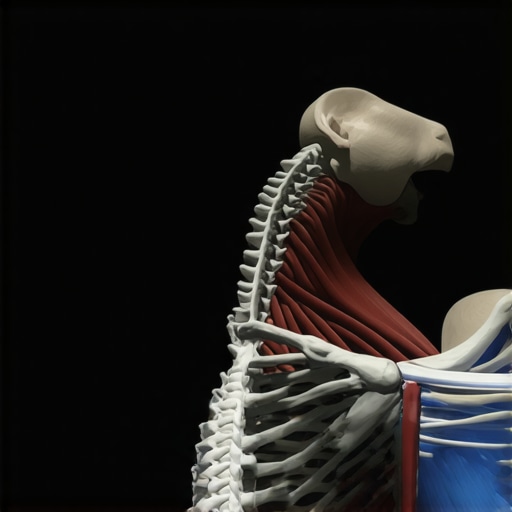
Have you ever snapped your head quickly and heard that unsettling cracking sound? That sudden, almost relief-inducing noise can be startling, especially when it happens out of nowhere during a simple turn. I remember the first time it happened to me—standing in my kitchen, twisting to grab something, and suddenly hearing a loud pop in my neck. It caught me off guard, leaving me feeling a mix of concern and curiosity. Why does my neck crack like that? Is it something serious? And more importantly, what can I do to prevent it?
The Hidden Reason Behind Neck Cracks and How to Stop Them
In my own journey through this mystery, I discovered that those neck cracks are often a sign of underlying tension and joint issues that can be addressed with the right approach. Today, I’m here to share what I’ve learned—from common misconceptions to proven strategies that actually work. If you’ve ever experienced that crackling noise turning your simple head turn into a nerve-wracking moment, keep reading. I promise, there’s a way to gain control and restore your neck’s health.
Is Neck Cracking Actually A Cause for Alarm?
Many folks worry that they might be damaging something every time they hear that pop. Early in my experience, I made the mistake of ignoring it, assuming it was just a harmless noise. Turns out, that was a mistake. According to research, audible neck cracks are often caused by the release of gas bubbles in the joint fluids or slight shifts in the joint surfaces—tiny movements that, over time, can be linked to joint wear if ignored (source). The key is recognizing what’s normal and what may need a closer look.
So, what’s the real reason your neck cracks when you turn quickly? It’s connected to tension and stiffness that build up in the muscles and joints around your neck. When you suddenly move, these tissues shift, releasing gas or shifting joint surfaces, creating that cracking sound. The good news? You can take steps to reduce this tension, improve mobility, and prevent those unsettling noises from becoming a regular occurrence.
Before diving into the remedial techniques, I want to share a critical mistake I made early on—believing that cracking my neck was inevitable and that I had no control over it. That mindset only reinforced my discomfort. The truth is, understanding where the tension originates is half the battle won. Now, I want to show you how to regain that control, so those cracks become a thing of the past, not the normal routine.
Are you ready to discover simple yet effective ways to keep your neck fluid, pain-free, and crack-free? Let’s explore how to navigate this common issue and bring lasting relief to your neck’s movement.
Targeted Stretching to Release Tension
Start with gentle neck stretches like the side tilt, where you slowly bring your ear toward your shoulder. Hold for 15 seconds and switch sides. During my first attempt, I was clumsy—forgot to relax my shoulders, which lessened the stretch’s effectiveness. Now, I consciously keep shoulders relaxed, amplifying the tension release. This approach helps reduce the gas buildup causing those cracking sounds.
Implement Strengthening Exercises for Support
Focus on strengthening your upper back and neck muscles with exercises like chin tucks and scapular squeezes. During a session, I incorporated chin tucks while sitting at my desk, which initially felt awkward. But over a few days, I noticed less tension and fewer cracks. Strong muscles provide better joint support, decreasing abrupt shifts that lead to cracking.
Optimize Your Posture and Ergonomics
Adjust your workstation so your monitor is at eye level, and your chair supports your lower back. I once ignored my posture, which worsened neck tension. Now, by aligning my screen and using lumbar support, I maintain a natural neck position, preventing muscles from overstretching or tightening unnaturally. Proper alignment reduces joint stress and stiffness.
Engage in Mobility Drills to Maintain Fluid Joints
Incorporate daily mobility moves like the neck circles—slow, controlled rotations in both directions. I started doing 10 repetitions during my lunch break; initially a bit wobbly, but soon it became a habit. These drills promote synovial fluid distribution in the joints, decreasing the likelihood of gas bubble build-up and cracks.
Use Heat and Gentle Massage for Muscle Relaxation
Apply a warm compress or use a massage ball on tense neck muscles. I personally found that after a long day, a warm towel eased muscle tightness quickly, leading to fewer cracking episodes the next day. Relaxed muscles lessen joint strain and can prevent the tissues from stiffening up.
Be Consistent and Patient
Regularly performing these steps ensures long-term benefits. When I first started, progress was slow—neck cracks persisted occasionally. But with consistent effort, I noticed a significant decline in both noise and discomfort. Think of it like tending a garden: patience and routine yield the best results, gradually restoring your neck’s harmony.
Many people believe that back pain, sciatica, and neck discomfort are problems to be tackled with quick fixes or superficial remedies, but in reality, these issues are deeply nuanced. One common misconception is that all back pain stems solely from muscle strain or bad posture, leading many to overlook structural or neurological factors that require more sophisticated solutions. For example, research highlights that fascial restrictions and nerve impingements often play a significant role in chronic pain, yet are frequently dismissed by those seeking straightforward answers (source).
Another myth is that stiffness always indicates a need for aggressive stretching. Contrary to popular belief, overzealous stretching can exacerbate underlying issues by irritating inflamed tissues or causing micro-tears, especially if performed without proper guidance. Instead, gentle mobilization techniques, such as controlled movements and posture correction, tend to yield better, longer-lasting results.
Beware of the trap of solely focusing on pain relief without addressing root causes. Many fall into the pattern of relying on painkillers or temporary relief remedies, mistakenly thinking that symptom suppression equates to healing. True progress involves understanding the complex interplay of muscles, joints, nerves, and even breathing patterns that influence spinal health. For instance, stress-induced tension can worsen neck and back issues, creating a vicious cycle that demands comprehensive management.
Why do many people overlook the role of the nervous system in back pain?
This is a vital consideration, as nerve sensitivity can heighten or prolong discomfort, even after tissue healing has begun. Advanced techniques like neurodynamics or nerve gliding exercises, detailed in resources such as this guide, can significantly improve outcomes for stubborn cases. Recognizing that pain isn’t always purely mechanical but can also stem from neural hypersensitivity leads to more effective, targeted interventions.
One common trap is the assumption that pain equals damage—this misconception can foster unnecessary fear and restrict movement, which in turn hinders recovery. Scientific studies underscore the importance of movement variability and early controlled activity in promoting healing rather than prolonged rest. For example, integrating ergonomic adjustments and mindful mobility exercises, like those discussed in these back support tips, can dramatically improve long-term outcomes.
Have you ever fallen into this trap? Let me know in the comments. The more we understand the complex layers of back health, the better equipped you’ll be to avoid these pitfalls and adopt strategies that foster sustained relief and enhanced quality of life.
Maintaining your spine’s health over the long term requires more than just exercises; it involves investing in the right tools and adopting effective routines that support mobility and reduce discomfort. Personal experience has shown me that combining specific equipment with disciplined habits makes a significant difference in preventing setbacks like sciatica flare-ups or neck tension. Today, I want to share the essential tools I rely on daily to keep my back and neck functioning optimally and how they can help you as well.
How do I maintain my mobility tools over time?
One of the most critical aspects of staying mobile is ensuring that your tools stay effective through regular maintenance. For example, my foam roller isn’t just a prop—it’s a vital part of my daily routine. I clean it weekly with disinfectant wipes to prevent bacteria buildup and occasionally replace it every couple of years to avoid material deterioration. When it comes to mobility aids like massage balls, I choose high-quality, durable options that withstand frequent use, and I rotate them to prevent wear. Regularly maintaining your mobility tools ensures they perform effectively, supporting your ongoing healing process.
My daily routine also incorporates ergonomic accessories designed for long-term spinal health. For instance, an adjustable lumbar support pillow—like the ones recommended by spinal specialists—can be used at your desk to maintain proper posture. It’s important to check these supports periodically for signs of wear or loss of support and replace them promptly. Additionally, using a high-quality seat cushion can distribute pressure evenly, preventing muscle strain that leads to episodes of neck or back pain.
As technology evolves, there’s an exciting trend toward smart devices that monitor your posture or activity levels, nudging you to move or correct your position. These devices, paired with apps that track your progress, make it easier to stay consistent over time. For example, posture correction devices like sensor-enabled braces provide real-time feedback, which is invaluable in building better habits.
Looking ahead, the future promises even smarter wearables and AI-driven tools that adapt to your unique biomechanics, offering personalized feedback to optimize mobility and reduce discomfort. I predict that integrating such technology will become standard practice for anyone serious about long-term spinal health.
Take action now
If you’re serious about maintaining your neck and back health, start by investing in a good-quality foam roller and a supportive ergonomic pillow. Make it a point to inspect and clean these tools monthly, replacing them as needed to ensure maximum effectiveness. Incorporating these simple yet often overlooked steps can dramatically improve your mobility and prevent future pain episodes. Don’t wait for discomfort to become chronic—set up your maintenance routine today and stay ahead of the game.
For more detailed strategies on functional movement and sustained relief, check out this guide. Remember: consistency is key, and your tools are your allies in the journey toward enduring spinal health.

Over the years, I’ve realized that the true breakthrough in managing neck and back issues isn’t just about quick fixes or temporary relief. It’s about understanding the deeper lessons—those subtle truths that often get overlooked but can make all the difference in your journey towards lasting health.
The Hardest Lesson I Learned About neck pain,mobility,sciatica,neck pain
One of my most profound realizations was that addressing only the symptoms without tackling root causes like muscle imbalance or neural sensitivities leads to fleeting results. For example, relying solely on neck cracking or surface-level stretches might provide momentary relief, but they rarely lead to sustainable healing. True progress requires patience, consistent effort, and a willingness to dig deeper into how your body operates.
3 Myths About back pain,mobility,sciatica,neck pain That Held Me Back
I used to believe that stiffness always meant a need for aggressive stretching, or that pain indicated permanent damage. Breaking free from these misconceptions was eye-opening. I learned that gentle mobilization, mindful movement, and understanding the nervous system’s role are often more powerful than forceful exercises or pain avoidance strategies. Embracing this shifted my approach from reactive to proactive.
What Experts Won’t Tell You About back pain,mobility,sciatica,neck pain
Many specialists understand that the nervous system, fascia restrictions, and posture intricacies contribute significantly to discomfort. Yet, these insights are often missing from mainstream solutions. Recognizing the importance of holistic assessments and personalized routines—like incorporating [these nerve gliding techniques](https://bodyrenewtherapy.com/revitalize-your-neck-effective-techniques-for-lasting-pain-relief)—can accelerate recovery and prevent future flare-ups.
My Essential Toolkit for neck pain,mobility,sciatica,neck pain
Through hands-on experience, I’ve found that a combination of targeted stretches, ergonomic adjustments, and mobility aids—such as a supportive lumbar pillow or a high-quality foam roller—are invaluable. These tools, when used consistently and maintained properly, help keep my spine and joints aligned, reducing unnecessary tension and noise. Building habits around their usage, as detailed in this resource, has been transformative.
Believe in Your Power to Change
Most importantly, I want to remind you that improving your neck and back health is within your control. Small daily actions, like mindful posture, gentle stretches, and maintaining your mobility tools, can lead to remarkable changes over time. Embrace the process, stay patient, and remember that your body is capable of remarkable adaptation. You have the tools and knowledge—now, it’s about taking that first step confidently.
What’s one habit you’re willing to start today to improve your neck and back health? Share your plan below—I’d love to hear your intentions and support your journey!