
The specific way prenatal chiropractic care creates more room for your growing baby
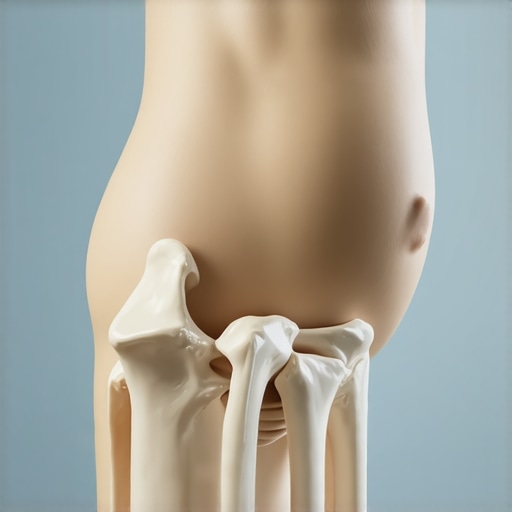
The Science of “Creating Room”: How Prenatal Chiropractic Care Optimizes Your Birth Journey
As you approach the third trimester, the physical reality of pregnancy shifts from a gentle glow to a profound structural challenge. The “tight squeeze” is no longer a metaphor; it is a daily experience. Your ribs expand, your center of gravity migrates forward, and the space available for your growing baby seems to diminish by the hour. For many women searching for a prenatal chiropractor near me, the motivation is often physical discomfort – back pain, rib pressure, or pelvic aches. However, at Body Renew Therapy in Omaha, we look beyond the surface level of pain management.
The essence of prenatal chiropractic care, particularly when administered by a specialist like Ian Shtulman, DC DACCP, is “neuro-biomechanical” optimization. It is about more than just moving a bone or cracking a joint; it is about ensuring the communication between the brain and the body is clear while simultaneously ensuring the pelvic “room” is as spacious and balanced as possible. When the pelvis is aligned, the entire environment of the uterus is optimized, providing the baby with the best possible chance to move, grow, and eventually navigate the birth canal. If you find yourself wondering is your back pain a sign of something more serious, it is often a signal from your body that the structural “room” is becoming compromised.
The Biomechanics of Pregnancy: Why “Room” Disappears
To understand why the pelvic space becomes restricted, we must look at the physiological changes occurring within the mother’s body. From the moment of conception, the body begins producing a hormone called Relaxin. As the name suggests, Relaxin’s primary role is to soften the ligaments and joints of the pelvis to allow for the eventual passage of the baby. However, this increased laxity is a double-edged sword. While it creates flexibility, it also introduces significant instability.
When ligaments are loose, the muscles often overcompensate by tightening, and the joints – specifically the sacroiliac (SI) joints at the base of the spine – can become “locked” or misaligned in an attempt to stabilize the pelvis. This misalignment creates a phenomenon known as pelvic torsion. Think of the pelvis as the foundation of a house; if the foundation shifts or tilts, every structure attached to it – including the uterus – must adapt to that shift. This torsion can lead to common pregnancy complaints like sciatica and pelvic girdle pain. If you are struggling with these issues, you might benefit from expert tips on managing back pain in 2025, which highlight the importance of movement and alignment.
When the pelvis is tilted or rotated, it doesn’t just affect the mother’s comfort; it directly impacts the shape of the uterine environment. Because the uterus is suspended by ligaments (such as the round ligaments and uterosacral ligaments) that attach directly to the pelvic bones, a misaligned pelvis pulls these ligaments taut. This tension can create a “twisting” effect on the uterus, reducing the functional space available for the baby to move into an optimal position. This is why pelvic alignment for birth is not just a luxury – it is a foundational aspect of prenatal health.
The Webster Technique: The Gold Standard for Pregnancy
In the world of prenatal chiropractic, the Webster Technique is widely recognized as the gold standard. Developed by Dr. Larry Webster, the founder of the International Chiropractic Pediatric Association (ICPA), this technique is a specific chiropractic analysis and diversified adjustment. Its goal is to reduce the effects of sacral subluxation and SI joint dysfunction. In doing so, it improves the neuro-biomechanical function of the pelvis.
As a chiropractor who holds a DACCP (Diplomate from the ICA Council on Chiropractic Pediatrics) and who teaches these techniques to other doctors, Ian Shtulman, DC, utilizes the Webster Technique to address the specific needs of the pregnant body. This is not a “one-size-fits-all” adjustment. It involves a detailed assessment of the sacrum – the large triangular bone at the base of the spine – and the surrounding musculature.
The adjustment focuses on two primary areas:
- The Sacrum: By ensuring the sacrum is properly aligned, we remove interference to the nervous system and balance the bony structure of the birth canal.
- The Round Ligaments: These ligaments support the uterus. When they become tight or “knotted” due to pelvic misalignment, they can cause sharp, stabbing pains in the lower abdomen. Gentle soft-tissue work on these ligaments helps release the tension, further “opening up” the space within.
Many women find that simple daily habits can supplement this professional care. For instance, learning how to fix your pelvic alignment while washing dishes can help maintain the balance achieved during a chiropractic session. The Webster Technique is specifically designed to be gentle, non-invasive, and highly effective, making it the preferred choice for women seeking Webster Technique pregnancy specialists.
Understanding Intrauterine Constraint and the Role of Omaha Chiropractors
The term “intrauterine constraint” refers to any external force that prevents the baby from moving into the best possible position for birth. To visualize this, we often use the “balloon analogy.” Imagine a round balloon representing the uterus. If you hold the balloon at the top and bottom and give it a slight twist, the middle of the balloon becomes constricted and changes shape. It is no longer a perfect sphere; it becomes narrow and asymmetrical.
This is exactly what happens when the mother’s pelvis is misaligned. The “twist” in the pelvic bones creates tension in the uterine ligaments, which in turn alters the shape of the uterus. When the baby has less room to move, they may become “stuck” in a breech or posterior position. It is a common misconception that chiropractors “turn” babies. We do not perform an External Cephalic Version (ECV), which is a medical procedure to manually rotate a baby. Instead, the best chiropractors Omaha has to offer focus on “clearing the path.”
By resolving the pelvic torsion and reducing the tension on the uterine ligaments, the chiropractor restores the natural, symmetrical shape of the uterus. Once the “constraint” is removed, the baby – who instinctively wants to be head-down for birth – often has the room they need to turn themselves. This proactive approach to omaha chiropractors care empowers the mother’s body to function exactly as nature intended.
Beyond the Baby: Significant Benefits for the Mother
While the baby’s positioning is a major focus, the benefits of prenatal chiropractic care for the mother are equally profound. Pregnancy is a marathon, and the birth process is the ultimate athletic event. Research has consistently suggested that women who receive regular chiropractic care during pregnancy may experience significantly shorter labor times and a reduced need for medical interventions.
When the pelvis is balanced, the muscles of the pelvic floor and the uterine wall can work more efficiently. During labor, the uterus must contract to move the baby down the birth canal. If the pelvic bones are misaligned, the baby may encounter structural resistance, leading to a longer, more painful, and more exhausting labor process. By seeking out wellness chiropractors near me, mothers are investing in a smoother labor experience.
Furthermore, chiropractic care provides much-needed relief from the neurological stresses of pregnancy. As the spine shifts to accommodate the weight of the belly, nerves can become compressed, leading to the dreaded “lightning pain” or chronic sciatica. Addressing these issues early can make the difference between a third trimester spent in pain and one spent in relative comfort. For those dealing with nerve pain, expert strategies for lasting comfort often include the specific adjustments found in a prenatal chiropractic plan.
Why “Gentle” Matters: The Omaha Pediatric Connection
The journey doesn’t end when the baby arrives. In fact, many families who start with prenatal care transition naturally into pediatric care. At Body Renew Therapy, we emphasize that “gentle” is the most important word in our vocabulary. This is especially true for newborns who may have experienced their own structural stresses during the birth process – even in a “perfect” birth.
If you are looking for a pediatric chiropractor near me, it is essential to find someone who understands the delicate nature of an infant’s nervous system. Ian Shtulman, DC DACCP, is not only a practitioner but a teacher of these methods. He instructs other chiropractors on how to apply the most gentle, precise touches to help babies with issues like colic, latching difficulties, and sleep disturbances.
The transition from the womb to the outside world is a massive shift for a baby’s spine and nervous system. Just as we “made room” for them in the womb, we ensure their bodies have the “room” to develop correctly after birth. You can learn more about this philosophy in our guide on why ‘gentle’ is the most important word for Omaha pediatric chiropractic care. This continuity of care ensures that both mother and baby are supported through every milestone.
Choosing the Right Omaha Chiropractor for Your Journey
When selecting a chiropractor for your pregnancy, credentials and experience are paramount. You should look for a provider who is specifically certified in the Webster Technique through the ICPA. Furthermore, a provider with a DACCP (Diplomate in Chiropractic Pediatrics) has undergone hundreds of hours of additional post-graduate training specifically focused on the needs of pregnant women and children.
In Omaha, Ian Shtulman, DC DACCP, stands as a leader in this field. His commitment to evidence-based, empathetic care has made Body Renew Therapy a hub for families seeking a holistic approach to birth. We utilize specialized equipment, such as pregnancy pillows and “drop tables,” which allow you to lie face-down safely and comfortably, regardless of how far along you are. This attention to detail ensures that your sessions are restorative, not stressful.
Your body is designed to grow and birth a human being, but in our modern world of sedentary jobs and high-stress environments, our bodies often need a little help to stay in balance. By “making room” through chiropractic care, you are giving yourself and your baby the gift of an optimized environment. Whether you are dealing with debilitating sciatica or simply want to ensure your pelvis is ready for the big day, we are here to support you.
Don’t wait until you are in crisis to seek care. The best time to start “creating room” is today. Contact Body Renew Therapy to schedule your consultation and take the first step toward a more comfortable pregnancy and a more empowered birth experience.