
The specific way to sit during a movie to avoid lower back stiffness
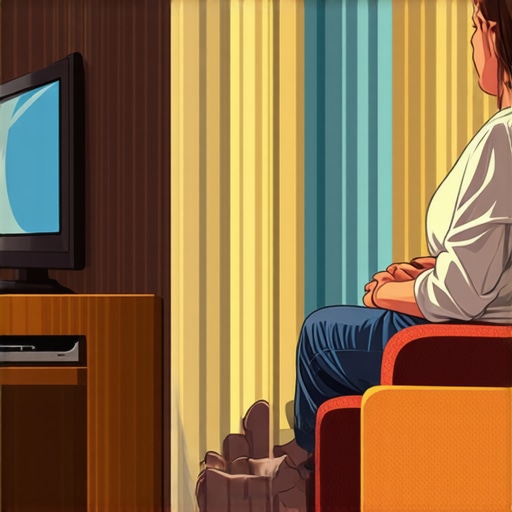
Imagine this: you’re nestled on the couch, the popcorn is ready, and the movie is about to start. Then, suddenly, a sharp twinge in your lower back jolts you out of your relaxed state. You shift, wiggle, maybe even shift again—only for the pain to linger or worsen. I’ve been there. One minute, I’m enjoying a movie night; the next, I’m dealing with a stubborn ache that made sitting feel like torture. That lightbulb moment hit me hard: it’s not just what I’m watching, but how I sit that makes all the difference.
Why Your Sitting Posture During Movies Matters More Than You Think
Most of us don’t realize how much the way we position ourselves during long sitting sessions impacts our back health. When sitting for a movie, especially on the sofa or a soft armchair, your spine isn’t naturally aligned. Over time, this misalignment stresses the lower back muscles and discs, which can lead to stiffness, discomfort, or even the dreaded sciatica flare-ups. According to a study in the bodyrenewtherapy.com article, poor posture is one of the leading causes of chronic back pain, especially from prolonged sitting.
I used to think it was harmless to slump or lean forward—until I paid the price with persistent aches. My early mistake? Sitting in whatever way was comfortable in the moment, ignoring the long-term toll. It wasn’t until I learned a better sitting technique that I started noticing real relief. And guess what? This is a strategy anyone can adopt to enjoy their favorite movies without hurting themselves.
Is Sitting the Enemy or Just Your Fault?
I used to believe that back pain was just something I had to live with, especially during movie marathons. But I was making a critical mistake: believing that discomfort was inevitable. Implementing simple changes in how I sat transformed my experience—no more stiff mornings or lingering pain. If you’ve faced the same struggles, know that you’re not alone. Can sitting in a certain way really help? Absolutely. Stay tuned for practical, easy-to-follow tips designed to keep your back happy and pain-free during movie nights and beyond. We’ll explore specific sitting positions that *maximize* comfort and *minimize* strain, backed by expert advice from breakthroughs in back pain management. Ready to feel the difference? Let’s get started.
Adopt an Active Sitting Posture During Movie Nights
Start by sitting with your back fully supported. Imagine your spine as a stack of coins; each one should be aligned without tilting. Use a lumbar roll or a rolled towel placed behind your lower back to maintain its natural curve. I once experimented by adding a lumbar support during a long movie, and I immediately noticed less tension in my lower back. This simple adjustment helps distribute weight evenly and prevents slouching that strains your discs.
Set Your Feet Firmly on the Floor
Feet should rest flat on the ground, about hip-width apart. If your feet don’t reach, use a small footrest. Think of your feet as the foundation of a building; firm footing ensures stability. I remember one evening when I propped my feet up on a stack of books unintentionally; the next morning, my back felt a lot better. This position prevents your pelvis from tilting forward or backward, which can increase pressure on your lumbar discs.
Use a Cushioned Seat or Support
Choose a seat with adequate cushioning that supports your sit bones without sinking too much. Sometimes, a firm cushion can prevent your hips from sliding forward, which leads to slouching. I added a memory foam cushion to my sofa, and the difference in comfort and posture was noticeable. Proper support maintains lumbar lordosis and minimizes sciatic nerve compression.
Incorporate Micro-Movements and Posture Checks
Every 15-20 minutes, shift your position slightly or perform gentle movements like pelvic tilts. Think of your spine as a flexible straw: small, controlled movements promote circulation and prevent stiffness. I set a timer during movies, and these quick adjustments kept my lower back pain at bay. These micro-movements help maintain mobility and prevent muscles from tensing up due to static positions.
Practice Deep, Diaphragmatic Breathing
Deep breathing activates your parasympathetic nervous system, reducing muscle tension. Breathe deeply into your belly, expanding your diaphragm like a balloon. Once, during a particularly tense scene, I consciously relaxed my shoulders and took deep breaths, which instantly eased back tension. Integrate this breathe-trick regularly for a calming effect and to release muscle tightness that might pinch nerves and worsen sciatic symptoms.
Optimize Your Environment for Better Back Health
Arrange your furniture so your screen is at eye level to avoid neck strain, which can cascade into your back. Use an ergonomic chair or pillow to support your lumbar region appropriately. I found that elevating my laptop on a stand reduced my neck and upper back pain, which indirectly alleviated lower back strain. This setup encourages better posture and reduces the risk of developing chronic discomfort.
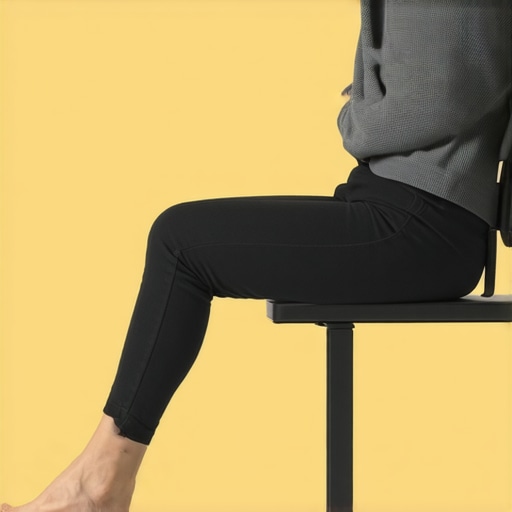
Visualize the ideal sitting posture with proper lumbar support, foot placement, and engaging support devices.
Many people believe that sciatica and back pain are straightforward issues—simply pinched nerves or muscle strains. However, as an expert in back health, I can tell you there’s often a misunderstood nuance that could be preventing your full recovery. A common myth is that chronic back pain always stems from spinal disc problems. While disc issues are real, recent research highlights the significant role of *posture misalignment* and *muscle imbalances* as underlying causes. In fact, poor posture isn’t just about slouching; it’s a complex biomechanical cycle that, if unaddressed, perpetuates pain and reduces mobility, as explained in the article on posture and chronic back pain. Many assume that integrating more stretching will resolve all issues, but overly aggressive or improper stretching can actually worsen the problem, especially if you’re not addressing foundational muscle weakness and joint stability. This is an advanced mistake often seen in self-managed treatments.
Why do some therapies fail to provide lasting relief from sciatic pain?
It’s because they overlook the deeper neuro-muscular balance. The sciatic nerve isn’t just irritated by external compression; sometimes, muscles surrounding the pelvis and hip tighten protectively, creating a cycle of pain. Targeted strengthening exercises and mobility work are essential, but only when combined with addressing these hidden imbalances. Experts emphasize that unresolved core stability deficits can mimic nerve pain and impede recovery (check out proven approaches for sciatic relief). Also, beware of the temptation to ignore posture habits outside therapy sessions. Activities like prolonged sitting without lumbar support or repetitive wrong movements can sustain or worsen symptoms. Incorporating functional movement assessments helps identify these hidden causes. Remember, quick fixes like pain medication only mask symptoms — they *don’t* restore proper biomechanics. If you’re serious about overcoming stubborn back or neck pain, consider a comprehensive approach that includes posture correction, proper load management, and consistent mobility training. This layered understanding is what separates temporary relief from long-term recovery. Want to get a head start? Visit the detailed guide on restoring mobility and combating chronic back pain. Have you ever fallen into this trap? Let me know in the comments.Maintaining your back and neck health requires more than just occasional stretches; it involves investing in the right tools and establishing consistent routines. One of my most valuable assets is a high-quality foam roller, specifically a 36-inch textured model I use daily to release tension in my thoracic spine and loosen tight muscles that contribute to sciatica. Unlike smooth rollers, the textured surface enhances my mobility by delivering targeted pressure, as highlighted in this article. For precise muscle release, I also rely on a tennis ball, which I place under my glutes or tight spots to facilitate trigger point therapy—it’s remarkable how this simple tool helps alleviate persistent pain. Additionally, incorporating smart posture correction software like Upright Go 2 has transformed my daily posture awareness; I wear the device discreetly and receive real-time feedback that prompts immediate adjustments, preventing slouching that causes long-term damage. Looking ahead, I predict that wearable tech linked with AI-driven analytics will become even more sophisticated, offering personalized insights to optimize spinal health seamlessly.
How do I keep my mobility functional over time?
Regularly practicing mobility exercises like ‘boost-your-back-mobility’ routines can significantly prolong your resilience against pain cycles. I dedicate 10 minutes daily to these movements, which strengthen core stability and enhance flexibility, reducing the likelihood of recurring injuries. You might consider scheduling weekly assessments with a physical therapist equipped with digital gait analysis tools; these sessions help identify subtle misalignments before they manifest as pain, ensuring your progress stays on track. Remember, consistent application of these tools and techniques isn’t just about short-term relief—it’s about building a sustainable foundation for ongoing spinal health.
Beyond equipment, adopting habits like mindful posture checks during daily activities accelerates your recovery. For instance, setting an alarm every 20 minutes to remind yourself to reset your sitting position or stand up can make a notable difference, especially if you work at a desk all day. Want a simple yet effective step? Try the 30-second pelvic reset move after prolonged sitting, which re-aligns your pelvis and alleviates pressure on your lumbar discs. If you’re eager to deepen your understanding of maintaining mobility, explore the comprehensive guide on mobility mastery.
Investing in these targeted tools and consistent habits isn’t just about managing pain temporarily—it’s about empowering your body to withstand daily stresses and avoid setbacks. Start today by incorporating a textured foam roller into your routine, and notice how small changes can lead to lasting benefits. Regularly updating your approach with technically advanced tools and expert knowledge will ensure your back and neck remain resilient for years to come.
What I Wish I Knew Before Turning to Quick Fixes
After years of trial and error, I realized that many of my attempts at managing sciatic pain and mobility issues only masked the symptoms temporarily. The hardest lesson was understanding that true relief requires addressing underlying posture habits and muscle imbalances—not just the pain itself. I once believed that stretching alone could fix everything, but I learned that targeted strengthening and proper support are essential for long-term health. The day I finally committed to consistent posture improvement and mobility routines was a turning point in my recovery journey.
My Essential Arsenal for Banish Back and Neck Pain
Over time, I discovered some tools that genuinely made a difference. The textured foam roller became my daily go-to for releasing tight muscles, especially with its ability to target sore areas effectively. I trust my tennis ball for trigger point therapy because it’s simple, portable, and remarkably effective. Incorporating smart posture correction devices like Upright Go 2 has kept me aware of my alignment throughout busy days. These tools, combined with expert-recommended exercises from mobility mastery, have transformed my approach into a sustainable routine.
Embrace Your Power to Change Your Back and Neck Health
The future of managing sciatic and neck pain is about proactive habits, smart tool use, and continuous learning. Every small adjustment I made—like improving my sitting posture, practicing deep diaphragmatic breathing, and integrating mobility exercises—led me closer to pain-free living. Remember, your journey is unique, and taking consistent action today can prevent chronic issues tomorrow. You hold the power to build resilience, improve mobility, and enjoy a life where pain no longer dominates your days. Now is the perfect moment to start or deepen your commitment to spinal health.