
Why Your Mattress Firmness Is a Matter of Body Weight, Not Just Preference
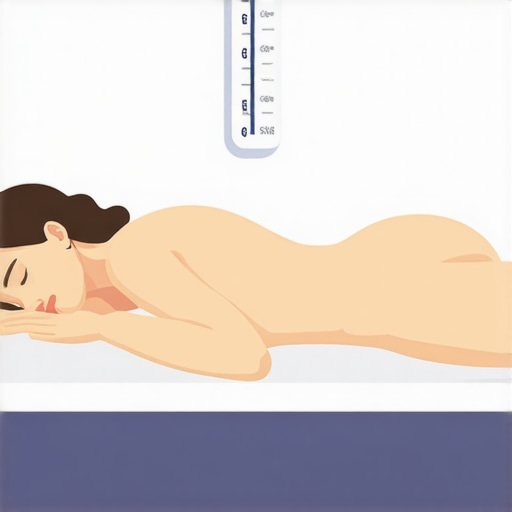
Have you ever woken up after a restless night, feeling more sore and achy than when you went to bed? I remember the morning I finally figured out that my mattress firmness wasn’t just about what I liked—it was about how my body’s weight was interacting with it. That lightbulb moment changed everything for me, and I bet it can for you too.
Why choosing the right mattress firmness is more about your body than popular trends
For years, I believed that a mattress’s firmness was simply a personal preference. Some swear by plush, squishy beds, while others rave about firm ones. But I learned the hard way that this decision is deeply rooted in your body weight and how it affects spinal alignment and pressure points. When I switched to a mattress that matched my weight, my back pain and morning stiffness drastically improved. So, today I’m going to share how understanding this can help you pick a mattress that truly supports your body.
Biggest Skeptic: Is mattress firmness really that important?
I used to think that the whole “firm or soft” debate was exaggerated—just marketing hype. I made the mistake early on of going for what felt nice, not what my body actually needed. Reliable sources, like the American Chiropractic Association, emphasize that proper support depends more on body weight and shape than just personal preference. Neglecting this can mean extra aches and reduced sleep quality. If you’ve ever bought a mattress because everyone else raved about it but still woke up stiff, you’re not alone. I’ve been there. By shifting my focus from “what I like” to “what my body needs,” I finally found relief. If this sounds familiar, keep reading. I’ll show you how to decode your body’s cues and choose a mattress that aligns with your unique needs.
Assess Your Body Weight and Sleeping Position
Start by identifying your body weight and preferred sleep posture. For example, I noticed that lying on my side caused shoulder and hip pressure, which signaled I needed a different firmness level. Use a mirror or ask a partner to observe your sleeping habits. Knowing whether you are lighter or heavier than 130 pounds helps determine if you should opt for softer or firmer mattresses. If you’re unsure, try lying on various mattresses with different firmness levels, noting which offers better spinal alignment and less pressure.
Test Multiple Mattress Firmness Levels
Visit stores and test mattresses labeled as soft, medium, and firm. Lie down for at least 10 minutes each time to simulate real sleep. During my own testing, I deliberately moved and adjusted positions to see if my spine maintained a neutral curve. Think of your spine as a bridge: if it’s sagging or bowing, support isn’t enough. A mattress that supports your natural curves prevents undue pressure on joints and muscles. Remember, a mattress that’s too soft might cause your hips to sink and your back to arch unnaturally, agitating sciatica. Conversely, an overly firm mattress can push against pressure points, causing soreness.
Observe Pressure Points and Spinal Alignment
Use your hand or an app to check where pressure builds up during sleep—common pain points include shoulders, hips, and lumbar area. I personally experienced waking up with numbness in my legs until I chose a mattress that distributed weight evenly. Consider placing a mirror under your back to see if your spine stays aligned when lying on the mattress. Proper support keeps your head, shoulders, and pelvis in a straight line, similar to a well-supported bridge. If your hips or shoulders sink too much or if your head tilts, the mattress isn’t supporting your natural posture.
Focus on Pressure Relief and Support Balance
Look for a mattress that relieves pressure on key areas while supporting the rest of the spine. Memory foam or latex toppers can add comfort if you find firm mattresses too hard. I used a medium-firm mattress combined with a supportive pillow, which improved my neck and back pain dramatically. Think of this combination as a personalized pair of shoes: support where needed, cushioning where necessary. Experiment with toppers or adjustable beds to optimize comfort without sacrificing support.
Consider Personal Comfort and Future Adjustments
Your comfort is key. After testing and selecting a mattress, sleep on it for a few nights to see how it feels. Look out for any residual pain or stiffness, especially in the mornings. If discomfort persists, revisit your choice or consider alternative options like hybrid mattresses that combine innerspring and foam for tailored support. Remember, your body changes over time, so reevaluating your mattress periodically ensures ongoing support for your spine and joints.
For more tips on improving your overall mobility and managing back pain, check out expert mobility strategies or consult a healthcare professional for personalized guidance. Proper mattress support can prevent issues from snowballing into chronic pain, making this an investment in your long-term health.
Many people assume that all neck and back pain stems from simple muscle strain or poor posture, but the reality is far more nuanced. A prevalent misconception is that pain always indicates damage that requires aggressive intervention. In truth, some pain signals are part of the body’s adaptive process, warning you to adjust movement or load. Overlooking these subtleties can lead to unnecessary treatments or even chronic issues. For example, aggressive stretching of a stiff neck without understanding the underlying cause might aggravate nerve irritation instead of alleviating it. Studies, such as those highlighted in the Journal of Orthopedic & Sports Physical Therapy, emphasize the importance of differentiating between pain types to tailor effective interventions.
Another common myth is that spinal anatomy is static, and any deviation is inherently harmful. However, evidence shows that minor asymmetries are normal—your spine is designed to accommodate movement and load variances. For instance, trying to force alignment through aggressive manipulation can destabilize tissues, leading to more pain and reduced mobility over time. The key is recognizing when pain reflects a harmful pathology versus when it signals a need for movement-based management.
Why do most clinicians still overlook the role of joint mechanics in chronic pain?
Many assume that isolated muscular issues are the primary culprits, but advanced research indicates that joint dysfunction — especially in transient segments like the cervical or lumbar facets — often underpins persistent symptoms. Addressing only muscle tension without correcting joint mechanics may provide temporary relief but fail to resolve the root cause. Techniques that focus on restoring joint mobility, such as specific mobilizations, have demonstrated superior long-term outcomes in managing chronic neck and back pain. For further insights, see how ergonomic modifications and targeted mobility exercises can significantly improve daily functioning.
Beware of the trap of oversimplifying pain and jumping to invasive procedures prematurely. Instead, adopting a nuanced understanding of individual biomechanics and pain patterns leads to better, lasting results. Want to refine your approach? Explore our ergonomic tips for everyday comfort or consult our experts to develop a personalized plan. Remember, the path to pain-free movement involves embracing complexity rather than ignoring it.
Have you ever fallen into this trap? Let me know in the comments.
Keep It Working: Essential Tools and Maintenance Strategies
Sustaining your progress in managing neck pain, sciatica, and back issues hinges on the right tools and consistent maintenance. One of the most effective means to ensure ongoing mobility is investing in specific equipment designed to support your spine health. A high-quality foam roller, for example, allows you to perform self-myofascial release, breaking down trigger points that can cause persistent pain. I personally use a dense, 36-inch foam roller, which strikes a balance between firmness and comfort, helping me maintain tissue flexibility and prevent adhesions. When used regularly—especially after workouts or long days—this tool can significantly reduce muscle tightness and improve circulation.
Alongside physical tools, software applications can help track your mobility and alert you to potential issues before they become chronic. Apps like PhysiApp offer guided stretching and movement routines tailored to your specific needs, reminding you to incorporate mobility exercises into daily routines.
Routine check-ins with a healthcare professional are critical. I schedule semi-annual assessments with a physical therapist who specializes in spinal health. They evaluate my posture, joint mobility, and muscle balance, prescribing targeted exercises or adjustments to my existing routines. Regular assessments not only catch emerging problems early but also keep me motivated and informed about best practices.
How do I keep my progress sustainable over time?
Creating a maintenance plan involves blending consistent exercises with periodic tool replacements or upgrades. For example, over time, my foam roller’s firmness diminishes, so I replace it every two years to maintain optimal effectiveness. Incorporating diverse tools such as resistance bands, lacrosse balls, and ergonomic accessories further enriches your toolkit. Resistance bands support strengthening routines that stabilize vulnerable areas, while lacrosse balls target pinpoint knots.
Looking ahead, technology is evolving to offer even smarter solutions. Wearable sensors that monitor your posture in real-time could soon provide instant feedback, helping you correct misalignments proactively. As these innovations become more accessible, integrating them into your routine could dramatically enhance long-term outcomes.
To ensure your efforts stick, set dedicated maintenance sessions—similar to scheduled oil changes for a car. Consistency is key; even five-minute daily routines can preserve mobility and prevent setbacks. Remember, the goal is not just treatment but cultivating a resilient, supportive environment for your spine’s health.
Curious about refining your mobility routine? Try incorporating a targeted self-massage with a lacrosse ball this week. Position it beneath tight muscles like your upper traps or glutes and gently roll for a few minutes. This method, backed by experts like clinical studies, can release fascia restrictions, alleviate pain, and improve flexibility. Incorporate this small tweak into your daily maintenance, and notice the difference over time.
Maintaining your progress requires discipline and the right tools. Regularly review and adjust your strategy, stay informed about advancements, and don’t hesitate to consult professionals when needed. Your ongoing commitment today paves the way for a pain-free, more mobile future.
Throughout my journey managing neck pain, mobility, sciatica, and back pain, I uncovered some truths that often go unnoticed. These lessons transformed my approach from reactive to proactive, ensuring lasting relief and flexibility.
Tough Love: The Lessons That Changed Everything
- Not all pain is a signal to push harder. I used to believe that stretching through pain was the solution, but I realized that listening to my body’s subtle cues prevented setbacks and promoted healing.
- Support is more than softness or firmness. The magic lies in how a mattress responds to your unique body weight and sleeping position—like a tailored suit rather than off-the-rack. It was a lightbulb moment when I recognized this connection.
- Consistency beats intensity. Daily maintenance routines, such as self-massage or mobility exercises, compounded over time, offering sustainable relief instead of quick fixes.
- Understanding your body is an ongoing process. Regular assessments and adjusting your tools keep your spine resilient in a world of daily wear and tear, turning passive habits into active care.
- Be wary of one-size-fits-all solutions. What worked for someone else might not for you. Personal experimentation, patience, and professional guidance create the foundation for genuine improvement.
My Essential Arsenal for Lasting Mobility
- Expert mobility strategies: These insights shaped my understanding that movement quality matters more than sheer effort.
- Ergonomic adjustments: Small tweaks in my daily setup dramatically reduced strain and reinforced good habits.
- Neck mobility exercises: These became my go-to routines for maintaining flexibility and easing tension.
- Lifestyle tweaks: Recognizing the role of posture, footwear, and daily movement in my health prevented flare-ups and built resilience.
Your Next Step, Your Stronger Future
Taking charge of your neck pain, mobility, sciatica, or back pain is an act of self-love and commitment. Remember, real progress comes from understanding your unique needs, staying consistent, and embracing small daily actions. Your journey to lasting spinal health starts now. Why not begin with a simple mobility routine or a professional assessment today? Small steps today lead to a more flexible, pain-free tomorrow.
What simple change will you try first to support your back and neck health? Share your plan below—I’d love to hear your next move!
.