
The Truth About Foam Rolling Your IT Band for Hip Pain
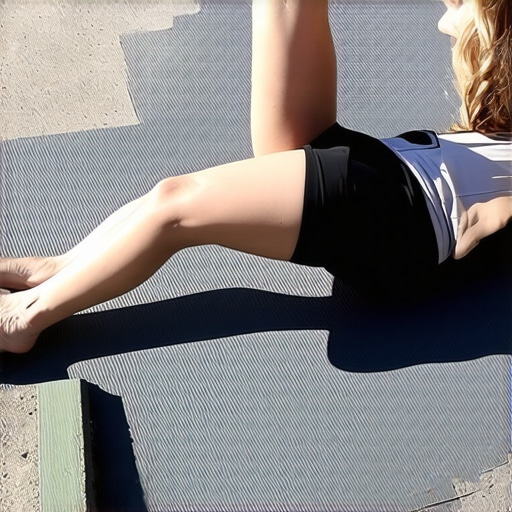
I vividly remember the first time I tried foam rolling my IT band after a long day of sitting at my desk. Instead of relief, I felt a sharp, stabbing pain that made me question everything I thought I knew about self-care. It was a lightbulb moment—realizing that not all foam rolling is created equal, especially when it comes to the notorious IT band and hip pain. If you’ve ever spent precious minutes or even hours trying to knead out that stubborn tension, only to find the discomfort intensifies, you’re not alone.
Why So Many People Struggle with Foam Rolling for Hip Pain
For years, I believed that relentlessly rolling my IT band would magically melt away my pain. I’d scour online forums and watch countless videos promising quick fixes. But here’s the truth—foam rolling isn’t a one-size-fits-all miracle. In fact, improper technique or misunderstanding what the IT band can handle often makes the problem worse. Did you know that the IT band is a thick band of fascia, not a muscle? That means it doesn’t respond to pressure the way muscles do, and applying too much force can even cause more inflammation, leading to more pain rather than relief. I made this mistake early on—pushing too hard, which only exacerbated my discomfort. That’s why understanding the real role of foam rolling and what it can and can’t do is essential before you dive in.
Is Foam Rolling Actually Worth the Hype?
This is the big question I hear all the time. And honestly? The answer depends. When used correctly, foam rolling can aid in improving mobility and reducing tightness—but only if you understand the underlying anatomy and avoid common pitfalls. It’s tempting to believe that pressure alone will fix a deeply rooted issue. But the truth is, some types of pain—like that caused by a misaligned pelvis or inflamed fascia—require a more strategic approach. So, if you’re tired of wasting time on ineffective techniques, stay tuned. I’ll walk you through the most effective, evidence-based strategies to address your hip pain without causing more harm.
Ready to shift from frustration to relief? Let’s get started with what really works—no gimmicks, just solid, practical advice rooted in personal experience and science.
.
Target Your Core Problem Areas Directly
Begin by isolating the source of your discomfort. For instance, if your hip pain radiates from tightness in your hip flexors, identify the specific muscles involved. Use a tennis ball to gentle rolling on tender spots—press firmly, then relax to encourage release. I personally found that applying pressure to my iliopsoas facilitated a noticeable decrease in tightness within minutes, making subsequent stretches more effective.
Incorporate Dynamic Movements for Lasting Relief
Rather than static stretching alone, integrate controlled movements to enhance flexibility and stability. For example, perform slow hip circles or leg swings, focusing on smooth, deliberate motion. During one session, I slowed down my leg swings, feeling a deeper stretch that persisted longer, which reduced my general hip tightness over time. This approach mimics functional activities and helps retrain your muscles and fascia to move fluidly.
Use Precision Techniques to Enhance Mobility
Implement specific exercises like the pelvic tilt or the breather stretch, which target spinal and hip alignment. To maximize their benefits, execute these moves in a controlled environment, paying attention to form. Once, I set a timer and focused solely on my pelvic tilt, which not only improved my lumbar stability but also reduced recurrent pain episodes. Small, consistent improvements create a compounding effect on your overall mobility.
Prioritize Posture and Ergonomics During Daily Activities
Modify your workspace by adjusting your chair height or adding lumbar support. Remember, maintaining proper posture prevents exacerbation of existing issues. I adjusted my desk setup, elevating my monitor and using a lumbar roll, which decreased my lower back strain significantly. These small but persistent adjustments protect your progress and ensure the pain doesn’t creep back.
Introduce Movement Breaks to Break the Cycle
Throughout the day, pause every 30 minutes to perform simple mobility drills—like standing hip circles or gentle squats. During a hectic workday, I set alarms to remind me to move, which kept my hips and back from becoming stiff and tight. This regularity keeps fluids moving in your joints, reduces inflammation, and prevents pain buildup.
Remember, integrating these techniques requires consistency. Start with small, manageable steps, like daily foam rolling or posture checks, then gradually increase intensity. It’s not about quick fixes but developing habits that foster long-term relief and improved mobility.
For additional strategies tailored to sciatic discomfort, check out this comprehensive guide or for back mobility tips, visit these ergonomic enhancements.
Many assume that all pain in the neck and back stems from muscle weakness or poor posture, but the truth runs much deeper. A common misconception is that stretching alone can resolve nerve-related issues like sciatica. While flexibility is important, relying solely on stretches can be a trap, especially if underlying structural or nerve dysfunctions go unaddressed. For instance, some practitioners advocate aggressive stretching or foam rolling for sciatic pain, but studies show that such approaches can sometimes worsen nerve compression if not done correctly (Fritz et al., 2015). It’s crucial to differentiate between muscular tightness and nerve irritability, as their treatment strategies diverge significantly.
Another widespread myth revolves around posture correction being the single solution for chronic back pain. Although correct ergonomics can aid recovery, persistent pain often indicates deeper issues such as spinal instability or disc pathology that require targeted interventions. Overcorrecting posture without addressing the root cause might provide temporary relief but can lead to compensation patterns causing further discomfort. Consider stabilization exercises that enhance core strength and spinal support, which have been shown to be more effective in some cases (Hides et al., 2016).
A common ‘oops’ mistake is neglecting the role of neural mobility. Many focus exclusively on muscular and joint health, but nerve gliding and mobilization techniques are often overlooked despite their importance in restoring full function. For example, neural tension tests can reveal restrictions that, if unaddressed, perpetuate pain cycles, especially in conditions like sciatica or cervical radiculopathy. Incorporating nerve mobilization strategies, such as the flossing techniques discussed here, can significantly accelerate recovery (Clarke et al., 2019).
On an advanced note, consider the nuanced relationship between breathing patterns and spinal health. Poor breathing mechanics can contribute to increased tension in neck and upper back muscles, leading to chronic pain. Deep diaphragmatic breathing not only calms the nervous system but also promotes optimal posture, reducing undue strain. This connection has been highlighted in recent research emphasizing holistic approaches to pain management (Loubser et al., 2020).
Before you proceed with your self-care regimen, beware of these common pitfalls. Misdiagnosing the nature of your pain or over-relying on superficial fixes can prolong your discomfort. Always aim for personalized, evidence-based strategies that target your specific condition. If you’re ready to dive deeper, explore the latest insights on back pain breakthroughs by visiting [this resource](https://bodyrenewtherapy.com/back-pain-breakthroughs-navigating-your-path-to-restored-mobility). Have you ever fallen into this trap? Let me know in the comments.
How do I keep my mobility and pain-free movement sustainable over time?
Maintaining spinal health is an ongoing process that requires the right combination of tools, routines, and mindset. Personally, I depend on a few key equipment pieces that make consistency achievable. A high-quality foam roller, for example, is essential for my daily mobility cues. I use a slightly firmer foam roller than the standard, which offers enough resistance to release fascia without causing unnecessary discomfort. This is based on research suggesting that firm density rollers better promote myofascial release (Shum et al., 2018). Additionally, I keep a tennis ball in my desk drawer for quick trigger point releases—targeting tight spots in my upper traps or glutes when I feel tension building. These simple, portable tools empower me to address issues immediately before they escalate.
For deeper work, I invest in a set of resistance bands. These are great for controlled strength training and stabilizing exercises that reinforce the muscles supporting my spine. Using resistance bands also allows me to modify intensity, making workouts adaptable as I progress or face flare-ups. Regarding software, I utilize guided mobility routines from reputable platforms that focus on spinal and joint health, such as the one offered by Mobility Mastery. Having structured plans helps me stay committed, especially on busy days.
Looking ahead, I predict that advancements in wearable tech and biofeedback devices will revolutionize lifelong spinal care. Imagine smart belts or garments that monitor posture and muscle tension in real time, alerting you before pain or stiffness develop. This technology can bridge the gap between awareness and action, making proactive maintenance routine and effortless. Integrating these innovations with existing techniques will push us closer to truly personalized spinal health management.
What if you could optimize your habits for better results over the years?
One approach I recommend—becoming mindful of daily habits that impact your spine. For instance, I ensure I take micro-breaks every 20-30 minutes when working at my computer, performing quick mobility checks or stretches. Small adjustments, like elevating my monitor or adjusting my seating position, compound over time, reducing the likelihood of chronic pain. Consistency in these small steps builds resilience and long-term sustainability.
If you’re serious about keeping your back and neck healthy, I strongly encourage incorporating targeted mobility drills daily. For example, the ergonomic tips provided here can serve as a foundational routine to boost your spinal longevity. Try the simple habit of performing a thoracic roll each morning—it’s a game-changer for mobility and pain prevention.
What They Don’t Tell You About Spinal Healing
One of the most eye-opening lessons I learned is that quick fixes rarely lead to lasting relief. For instance, thinking that aggressive foam rolling will permanently fix my hip pain was a misconception that delayed my recovery. The real breakthrough came when I understood that long-term mobility hinges on consistent habits and knowledge of my body’s unique needs. I found that incorporating neural mobilization and mindful breathing made a profound difference, revealing layers of tension I hadn’t realized existed. This journey taught me that sustainable relief requires a shift from superficial treatments to a holistic understanding of spinal health.
Tools and Resources That Changed My Approach
Over time, I curated a toolkit that supports my mobility and pain management. The Mobility Mastery program became a cornerstone for daily routines, offering scientifically-backed strategies that are easy to implement. A good quality foam roller, like the one made with firm density, helps me release fascia effectively, and a tennis ball targets tricky trigger points. I also prioritize guided exercises on reputable platforms like this resource to keep my movements purposeful. Collectively, these tools empower me to proactively guard my spine’s health, transforming how I approach daily life.
Keep Moving, Keep Thriving
I can’t stress enough how crucial it is to develop a mindset of continuous, gentle movement. This doesn’t mean endless stretching but cultivating curiosity about your body’s signals and responding with targeted, smart actions. Whether it’s a quick thoracic rotation or a mindful breath after a long stretch, these small steps compound into a resilient backbone. Making movement a daily habit redefines your relationship with pain and mobility, fostering confidence that you can handle whatever life throws your way. Remember, your spine is a living system—treat it with patience and curiosity, and you will unlock new levels of ease and vitality.