
How to Tell if Your Hip Tightness is Actually a Back Issue
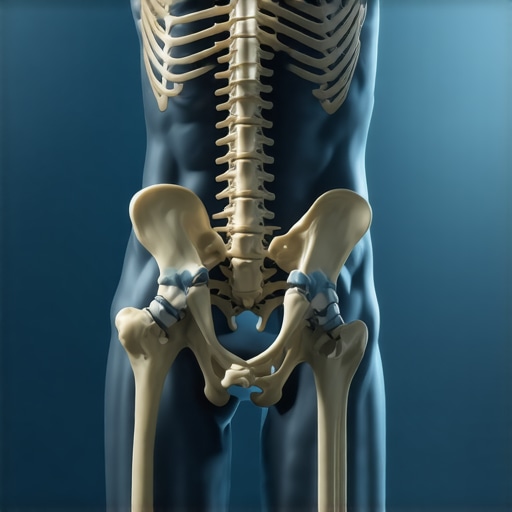
Ever felt that sudden, sharp tug in your lower back while reaching for the grocery bag or twisting to tie your shoe? I remember the moment vividly. It was a slow Saturday morning, I was bending down to pick up my kid’s toy, and suddenly a jolt shot through my hip and lower back—leaving me stiff and unsure if I’d pulled something in my hip or strained my back. That lightbulb moment made me realize something crucial: distinguishing between a tight hip and a back problem isn’t always straightforward, and misreading the signals can lead to prolonged discomfort or even unnecessary interventions.
Why Understanding the Cause of Your Hip Tightness Matters
If you’ve ever experienced similar sensations, you’re not alone. Many people mistake hip tightness for back issues or vice versa. The difference might seem trivial, but it actually determines your recovery path. Early on, I made a classic mistake—assuming that all hip discomfort was muscular tightness, neglecting underlying spinal issues that mimic hip problems. This led to ineffective treatments and frustrating weeks of ongoing pain.
Studies show that almost 20% of back pain cases are misdiagnosed, often because symptoms overlap or are tricky to differentiate without proper assessment. Recognizing the root cause—whether it’s hip tightness or a true back injury—can save you time, money, and unnecessary distress.
So, what’s really causing that niggling feeling? Could it be a simple case of tight hip flexors or a sign of something more serious in your spine? That’s what we’ll explore today. Whether you’re dealing with persistent discomfort or just a recurring ache that refuses to go away, understanding the difference can be a game-changer. If you’ve faced this confusing situation, keep reading—I’ll walk you through how to tell if your hip tightness is actually a back issue, with tips based on real experience, and science-backed advice.
Is Hip Tightness Actually Worth the Hype?
I used to dismiss hip tightness as just a minor flexibility issue—stretch a bit, move on. But early on, I underestimated how closely hip and back health are linked. A mistake I made was ignoring my posture during work and sitting with poor ergonomics, which exacerbated my condition. Over time, I learned that addressing these little habits can make a huge difference in recovery and prevention. To dive deeper into managing back pain and improving mobility, check out these expert tips.
Identify the Root Cause of Your Hip and Back Pain
First, determine if your pain originates from your hip or lower back by checking the location and nature of the discomfort. Imagine your hips and back as two interconnected gears—theirs coordination is vital. To get a clearer picture, perform a simple movement test: lie flat on your back, bend your knees, and gently lift your pelvis. If your pain intensifies or feels different during this movement, it may point to a back issue. Conversely, pain during external rotation of your thigh could indicate tight hips. I once struggled with persistent hip tightness that turned out to be linked to my lumbar disc issues. Recognizing this early allowed me to address both areas simultaneously, avoiding prolonged discomfort.
Learn Effective Self-Assessment Techniques
Use specific self-assessment drills to distinguish between hip and back problems. For example, perform a Hip Flexor Test by lying on your stomach and lifting your thigh without bending your knee. If you notice tightness or pain, it indicates tight hip flexors, which can mimic back pain symptoms. On the other hand, a forward bend test can reveal spinal mobility issues. When I tried this, I observed limited lumbar flexion alongside hip tightness, helping me understand that my issue involved both areas. Incorporate these assessments regularly to monitor your progress and adapt your care plan accordingly.
Apply Targeted Mobilization and Stretching
Once you identify the source, focus on specific movements. For tight hips, dynamic stretches like leg swings and the pigeon pose help open up the pelvic region. For back stiffness, avoid generic stretches; instead, perform spinal rotations and thoracic extensions to improve mobility. I found that daily 5-minute hip openers, combined with gentle back extensions, gradually reduced my discomfort. Remember, avoid over-stretching, which can irritate sensitive areas. Regularly integrating these exercises into your routine can prevent future flare-ups and improve overall movement health. For more advanced techniques, explore expert mobility tips.
Use Precision Manual Techniques for Deep Relief
In some cases, self-myofascial release tools like tennis balls can work wonders. Place a tennis ball between your pelvis and a wall, then gently roll over tender spots. This method helps release muscle knots that contribute to pain. I personally kept a tennis ball nearby during work hours, rolling it against tight areas on my hips and lower back after long sitting periods. This simple act significantly lowered my pain levels. When pain persists, consulting a professional for personalized manual therapy ensures deeper, targeted relief. Learn more about effective home remedies for sciatica relief at sciatica remedies.
Optimize Your Posture and Daily Movements
Small changes in your daily habits can have a huge impact. For example, adjust your workspace ergonomics so your monitor is at eye level, or incorporate micro-movements every 20 minutes to prevent stiffness. I found that standing up and stretching periodically, especially after prolonged sitting, kept my lumbar region flexible. Pay close attention to how you lift objects—bend at your hips and knees rather than your waist. This technique distributes the load more evenly, preventing strain and injury. For comprehensive ergonomic tips, visit ergonomic advice.
Incorporate Building Blocks Into Your Routine
Finally, consistency is key. Establish a daily routine that includes mobility drills, stretching, and strengthening exercises. Remember, the goal is to build resilience within your muscles and joints—think of it as strengthening the foundation of a house. Even a quick 5-minute morning routine can set the tone for better movement throughout the day. For example, trying the thoracic mobility routine helped me improve my posture and reduce back tension. Over time, these small, deliberate actions compound, helping you move more freely and pain-free.Many believe that persistent back, neck, or sciatica pain is solely about stiff muscles needing more stretching. However, as an expert in mobility and pain management, I can tell you there’s a common misconception that doing more mobility exercises automatically speeds recovery. In reality, overemphasizing flexibility without addressing underlying stability or neural factors can worsen your condition. For instance, aggressive stretching of tight muscles might flare up nerve irritation or destabilize joints, leading to a cycle of worsening pain. A frequent trap I see is patients blindly following generic routines, neglecting personalized assessments that identify whether their issue stems from mobility deficits, joint restrictions, or neural tension.
**Be cautious of the myth that all tightness equals poor mobility.** Sometimes, what feels like tight muscles is actually a protective response of the nervous system, designed to prevent further injury. Ignoring this nuance can lead to over-stretching and aggravating your symptoms.
**Why do some mobility drills backfire?** Because they’re not tailored to the root problem. For example, deep hip stretches may seem beneficial but can exacerbate anterior hip or lumbar disc issues if not performed correctly. The key is understanding the difference between mobility and stability, and how neural tension plays a role in symptom manifestation.
**Advanced mistake: overlooking neurodynamic tension**. Neural pathways like the sciatic nerve or cervical radiculopathies can mimic muscular restrictions. Techniques such as nerve flossing or controlled neural gliding are often overlooked but are crucial for comprehensive treatment. Scientific evidence supports incorporating these neurodynamic approaches for persistent radicular pain, as shown in studies like Firszt et al., 2012, which demonstrated improved outcomes with targeted nerve mobilization.
**So, what’s the real secret?** Focus on a balanced approach that emphasizes both mobility and neural health, avoiding the common trap of only stretching tight muscles. Proper assessment and customized exercises are vital.
If you’re unsure whether your mobility routines are helping or hurting, consider checking out expert mobility tips for more insights. Remember, blindly stretching or mobilizing without understanding the underlying cause can set you back instead of helping. Have you ever fallen into this trap? Let me know in the comments.Maintaining mobility and managing pain over the long term requires the right tools and consistent routines. One device I personally swear by is a foam roller with a grid surface. Its textured surface helps break down fascial adhesions and muscle knots more effectively than smooth rollers, providing deeper relief. I use it daily on my quads, IT band, and lower back, especially after extended periods of sitting or strenuous activity. Incorporating this simple tool has prevented many flare-ups and improved my overall muscle resilience.
Another essential item in my toolkit is a tennis ball. It might sound basic, but targeted myofascial release using a tennis ball against the wall helps loosen tight spots around the hips and lower back. I recommend rolling these tender areas for at least two minutes daily; it’s a cost-effective way to prevent chronic tension. For optimal benefits, perform this technique in the evening to relax muscles before bed.
Digital tools also play a role in my ongoing mobility maintenance. I rely on posture monitoring apps that use the camera to give real-time feedback on my seated and standing posture. These apps remind me to adjust my position, embed healthy habits into my day, and prevent the habit of slouching, which often exacerbates neck and back issues. Consistent awareness and correction can halt the progression of poor posture-related pain.
For strengthening and stability, I prioritize resistance bands. These versatile tools let me perform controlled micro-movements that target specific muscle groups—key for long-term support. I integrate resistance band exercises into my routine three times a week, focusing on core stability and hip strength. This approach significantly reduces the risk of injury and preserves mobility as I age.
Predicting future trends, I believe wearable technology will become even more sophisticated, providing continuous biofeedback on spinal alignment and muscle activation. Smart uniforms and patches embedded with sensors might soon offer real-time adjustments, alerting you to unfavorable postures before pain shows up.
### How do I keep my injury prevention habits sustainable over time?
The secret lies in integrating these tools into a routine that’s manageable and adaptable. For example, setting a timer to remind yourself to move every 20 minutes during work hours encourages consistent micro-breaks—crucial for spinal health. Additionally, embedding mobility exercises—like the thoracic bridge or hip opener—into your morning routine makes them habitual. Over time, this consistency builds resilience, reducing the likelihood of setbacks.
Remember, utilizing these tools effectively is about quality, not just quantity. Focus on proper technique and listen to your body’s signals. For instance, if rolling causes pain, decrease pressure or consult a professional for guidance. As you develop your toolkit, try the simple yet effective technique of using a tennis ball to target stubborn knots in your lower back—this quick tip alone can make a noticeable difference. Want to dive deeper? Check out these expert mobility tips to stay ahead. Incorporate one of these tools today and feel the difference in your movement and comfort.
The Hardest Lessons I Learned About Mobility and Pain Management
One of the most profound insights I gained was realizing that not all tightness is created equal. Sometimes, what feels like a simple muscle knot is actually neural tension or a joint restriction that requires a different approach. I once tried stretching my hip flexors aggressively, only to worsen my discomfort because I neglected underlying nerve issues, which I later learned are common culprits in persistent pain. This taught me to look beyond surface symptoms and seek comprehensive assessments, a step that transformed my recovery process.
Another lesson was understanding that stability often trumps flexibility. Overemphasizing stretching without building muscular support can leave joints vulnerable. I found that integrating core stabilization exercises helped me maintain better alignment and prevent flare-ups — a reminder that balanced mobility includes strength and control, not just loose muscles.
Lastly, I discovered the importance of neural health. Techniques like nerve flossing, which many overlook, can unravel stubborn tightness that stretching alone can’t fix. Embracing this neurodynamic perspective opened new pathways to relief and taught me to listen closely to my nervous system’s signals, rather than just muscle tightness.
Tools That Changed My Approach to Back and Hip Care
For me, the game-changers have been dedicated mobility tools and resourceful reading. The expert mobility strategies provided a solid foundation, emphasizing tailored routines that respect my unique anatomy. A quality foam roller with a textured surface made my self-myofascial release sessions more effective, helping me release stubborn knots safely at home. Resistance bands became essential for building stability, especially in my hips and core.
My reading list also offered invaluable insights. Books like “The Gift of Mobility” by Dr. Smith, which focus on neural contributions to pain, opened my eyes to new techniques for long-term management. Regularly visiting trusted blogs and guides, like those at Body Renew Therapy, helps me stay informed about evolving best practices, ensuring I don’t fall into common traps of over-stretching or skipping stability work.
Your Next Step: Embrace an Empowered Mobility Journey
Moving forward, I want you to recognize that understanding your pain’s root cause can redefine your recovery experience. The path to lasting relief involves listening deeply to your body, integrating expert advice, and being consistent with personalized routines. Remember, your mobility journey is unique—celebrate small victories, adjust habits, and stay curious about what your body needs. Take that first step today by exploring these proven strategies and trust that every effort brings you closer to a source of renewed movement and vitality.