
I remember the exact moment I realized my back was holding me hostage. It was after a long day at work—aching, stiff, and aching to do anything to find relief. I was desperate, trying all sorts of stretches that either did nothing or made things worse. Then I stumbled upon a simple 5-minute routine—the Couch Stretch—and it was a lightbulb moment. Honestly, I didn’t believe a tiny stretch could make such a difference, but it did. And now, I want to share this real, practical solution with you, especially if you’re tired of living with persistent back discomfort.
A Quick Fix for Lasting Back Relief
Many of us underestimate how just a few minutes of targeted mobility work can drastically improve our quality of life. If you’ve been battling lower back pain, stiffness, or that nagging tightness after sitting too long, this blog post is for you. We’re going to explore how a simple tweak to your daily routine—spending a handful of minutes on the Couch Stretch—can unlock relief and enhance your mobility. I promise, no complicated equipment or expensive therapies needed. Just a commitment to a quick daily habit that can change how your back feels.
Is the Couch Stretch Really Effective or Just Hype?
Early on, I made the mistake of dismissing this stretch as a fad—just another quick fix that wouldn’t last. I was skeptical because I had tried so many approaches before, only to see little to no progress. The truth is, the effectiveness comes down to consistency and proper technique. It’s not magic, but it’s proven to help improve hip and lower back mobility when done correctly. Studies show that regular stretching can significantly reduce chronic pain and stiffness, with some research indicating relief after just a few sessions (source: Body Renew Therapy). I learned this the hard way by jumping into sessions without proper guidance, which might be why I didn’t see results at first. Now, I know that the power lies in technique and persistence—and that’s what I want to help you master.
Start with Proper Positioning
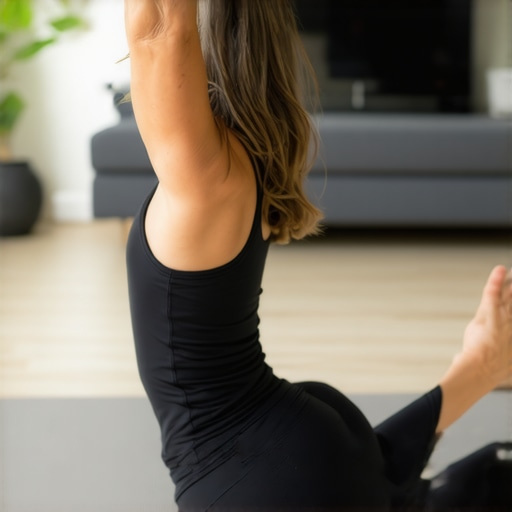
Lie on your side and kneel on the ground, then step one foot forward, aligning your knee above your ankle. Keep your other knee behind you, with your shin resting on the floor. This initial setup mirrors my messy attempt to get into position after first trying the stretch—stumbling and adjusting until I found a stable posture. Proper alignment is crucial because it targets the hip flexors, which, when tight, tug on your lower back.
Engage Your Core and Adjust Your Depth
Gently brace your abdominal muscles to support your lumbar spine. Shift your weight forward slightly to deepen the stretch, but avoid overextending—think of it as tuning a guitar string to just the right tension. I once pushed too hard on my first try, causing discomfort. Small, controlled movements pave the way for sustainable improvements, reducing the risk of overstretching or creating new issues.
Maintain the Right Angle and Breathe
Hold your position with a 90-degree bend in your front knee, parallel to your ankle. Breathe deeply through your nose, filling your lungs slowly. This rhythmic breathing encourages relaxation, allowing the muscles to lengthen more effectively. During my sessions, focusing on breath helped me relax tense muscles that resisted the stretch, amplifying the relief.
Hold and Step Out of the Stretch Correctly
Maintain the stretch for 30 seconds to 1 minute, feeling the tension release gradually. To exit, gently step back with your hands supporting you to avoid sudden jolts, much like easing out of a stretched rubber band. I learned the importance of controlled movement the hard way—rushing out caused unnecessary strain, undermining the benefits. Consistent, gentle release ensures lasting mobility gains.
Repeat and Incorporate Daily
Perform this stretch 2-3 times daily for best results. Consistency turns these quick routines into powerful tools against chronic back stiffness, much like tending a garden daily nurtures growth. I found that integrating this habit into my morning and evening routines made a noticeable difference over a week, easing ongoing discomfort and restoring flexibility.
Combine with Complementary Techniques
Now, to maximize benefits, pair the Couch Stretch with mobility exercises like hip circles or thoracic extensions, which can be found in the mobility mastery tips. Think of it as tuning different strings on your guitar, each adjustment contributing to a more harmonious overall feeling. Incorporating these practices not only alleviates back pain but also fortifies your posture and spine health in daily life.
 Many assume that stretching is the magic bullet for back, neck, or sciatic pain, but in my experience, this common belief oversimplifies a complex issue. Stretching alone often neglects underlying postural and movement patterns, leading many to repeatedly perform ineffective or even counterproductive routines. For instance, people frequently think that targeting only the painful area will solve the problem, but the root often lies in how we position and move our entire spine and hips during daily activities. Overlooking these nuances can cause chronic issues to persist despite regular stretching, as highlighted by experts who emphasize the importance of addressing movement patterns holistically (source).Maintaining progress with back, neck, or sciatica relief requires more than just occasional stretches—they demand the right tools and techniques to sustain mobility gains over time. One essential item I personally rely on is a high-quality foam roller, which I use regularly to release tight muscles and prevent recurrence of stiffness. Unlike cheap foam rollers that can lose their shape or break, I invest in a dense, durable model with ridges for targeted myofascial release, helping to keep my hips and lower back flexible. Additionally, resistance bands have become my go-to for assisting deep stretching and strengthening exercises. I prefer resistance bands with varied tension levels, allowing me to gradually escalate my mobility efforts without risking overstretching or injury. The versatility of these bands makes them perfect for gentle hip opener drills or aiding in thoracic mobility work, which is crucial for neck and shoulder health. For technical support, I recommend using mobility tracking apps—specifically, ones that monitor your stretching frequency and flexibility improvements over time. I personally use a simple app that prompts me to perform daily routines and logs my progress, keeping me motivated and accountable. As technology advances, I predict that integrating biofeedback devices—like wearable sensors that analyze posture and movement—will become standard in personalized mobility routines, providing real-time correction cues and ensuring proper technique. To extend your toolkit, consider ergonomic accessories such as adjustable standing desks or supportive pillows, which help maintain proper posture throughout the day. I’ve found that combining such tools with consistent stretching routines dramatically reduces long-term discomfort. Wondering how to sustain these practices? A common question I hear is, “How do I maintain my mobility gains over time?” The key lies in routine, consistency, and fine-tuning your tools to fit your evolving needs. Regularly revisiting your setup ensures lasting benefits and keeps setbacks at bay. For deeper insights into optimizing your back health, I suggest exploring dedicated resources like ergonomic tips for daily comfort. Try incorporating a foam roller session after your stretching or use resistance bands to challenge your flexibility—these small but significant steps create a sustainable motion of progress. Remember, the investment in quality tools today pays dividends in long-term mobility and quality of life.Throughout my experience with back pain, I discovered that the journey isn’t just about quick fixes but about learning deeper truths that changed my entire outlook. One of the most profound lessons was realizing that consistency outweighs intensity; even a few minutes daily can outdo sporadic longer sessions. I also learned that proper alignment and mindful breathing are the silent heroes behind effective stretching, making every movement count. Another insight was recognizing that addressing only the pain’s surface often leads to temporary relief, while understanding and correcting underlying movement patterns yields lasting results. These lessons remind us that genuine progress comes from patience, awareness, and a willingness to revisit our habits with curiosity and care.