
Why Heat Is Often Better Than Ice for Chronic Back Stiffness
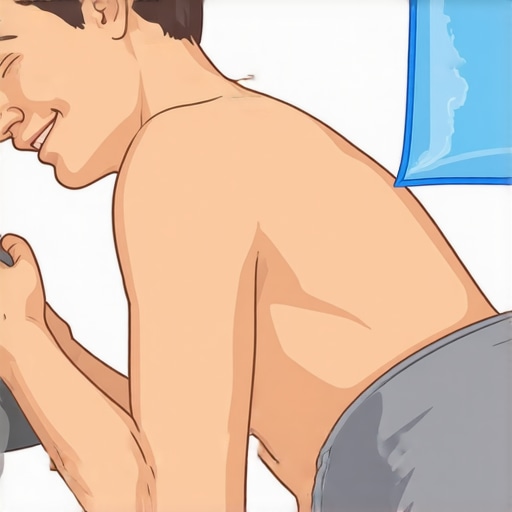
I still remember that sluggish morning when I gingerly rolled out of bed, only to be greeted by that stubborn, tight knot in my lower back. It was as if my spine had locked itself in a silent protest. Frustration simmered, leading me to reach instinctively for the ice pack—hoping to numb the pain quickly. But what happened next changed my perspective entirely.
Discovering What Really Eases Back Stiffness
Over years of trial and error, I stumbled upon a surprising truth: heat often outperforms ice when it comes to chronic back stiffness. That warm, soothing sensation penetrates deeper, relaxing tense muscles and increasing blood flow—a vital component for healing. I found myself slowly able to move again, more comfortably and with less pain.
In fact, many experts support this approach. A study highlights that applying heat can significantly improve tissue elasticity and blood circulation, essential for recovery. But, like many of us, I made mistakes early on—using ice too often or for the wrong reasons—delaying my healing. This misstep is common; understanding the right application can be a game-changer.
Is Heat Really Better Than Ice for Back Stiffness?
Before you dive into heat pads, it’s natural to be skeptical. After all, ice therapy has its champions, especially for acute injuries. I too questioned, “Should I ignore ice altogether?” The key is recognizing that for chronic stiffness, inflammation isn’t as sudden or aggressive, so calming muscles with heat makes more sense. This realization freed me from years of unwarranted ice reliance, and I want you to see if it can do the same for you.
If you’ve ever experienced that frustrating moment of not knowing how to soothe your aching back without making it worse, you’re not alone. My journey taught me that understanding when to use heat can transform your recovery and daily comfort. Ready to explore the practical steps that will help you implement this simple yet effective method? Let’s dive in.
Prepare Your Heat Source Correctly
Start by selecting a high-quality heat pack or warm towel. Ensure it’s warm but not scalding—think of it as setting the temperature for a cozy blanket, not a hot iron. I once mistakenly used a heating pad straight from the dryer, which was too hot and caused minor burns. To prevent this, test the heat on your wrist first. Applying too-hot heat can damage skin and reduce blood flow rather than improving it, so moderation is key.
Choose the Right Timing and Duration
Use heat for 15-20 minutes at a time, especially when you notice persistent stiffness rather than acute pain or swelling. I learned this when applying heat after long hours at my desk; initially, I kept it on for an hour, which made my skin red and uncomfortable. Set a timer and avoid extended sessions to prevent skin irritation. Regular, short sessions promote muscle relaxation and encourage blood circulation, aiding recovery.
Position Yourself for Maximum Effectiveness
Lie down in a comfortable position where the heat can directly target your lower back. Elevate your legs on a cushion if needed to reduce tension in your lumbar region. Imagine your back as a piece of taffy; gentle stretching with heat helps soften and elongate the fibers. I found that lying on my side with knees slightly bent allowed the heat to penetrate deeper, providing longer-lasting relief than sitting upright.
Combine Heat with Gentle Movement
After applying heat, perform light stretching or mobility exercises. Think of warming up a metal before bending; heat prepares your muscles for movement. For example, gently kneading your lower back or doing pelvic tilts can enhance the benefits of heat therapy. I once used a simple pelvic tilt after heating, which significantly improved my flexibility and reduced stiffness within minutes.
Establish a Habit and Monitor Progress
Incorporate heat application into your daily routine, especially if you experience chronic stiffness. Keep track of your responses—note when pain decreases or mobility improves. Over time, you’ll recognize patterns: heat works best after prolonged sitting or physical activity, much like how a warm-up benefits an athlete before a game. Consistency is crucial for long-term relief, and adjusting session timing based on your body’s feedback maximizes benefits.
Recognize When to Seek Professional Advice
If heat therapy doesn’t alleviate your back stiffness or if you experience increased discomfort, consult a healthcare professional. Persistent pain might signal underlying issues like herniated discs or sciatic nerve irritation. They can recommend specialized treatments or adjustments to your routine. For additional insights on managing back pain, check out expert mobility tips or sciatica relief strategies.
 }]}]}**}# The image prompt for this section could be: Many people assume that stretching or strengthening exercises alone are the key to resolving mobility issues and back pain. However, a common misconception is that more intense or frequent workouts will automatically accelerate recovery. In reality, overdoing it—especially without addressing underlying movement patterns—can lead to even more discomfort and injury. For example, focusing solely on hamstring stretches for sciatic pain might seem logical, but if your hip flexors and pelvis aren’t aligned properly, this approach can backfire. This nuance underscores the importance of a holistic assessment rather than isolated remedies. Experts like Dr. Stuart McGill emphasize that understanding your body’s specific mechanics is crucial; blindly following generic routines often delays healing or worsens symptoms.
Why Do We Keep Falling for Simplistic Solutions?
This pattern stems from a desire for quick fixes and the misbelief that pain equals weakness or poor posture alone. But research shows that pain is often a symptom of complex neuromuscular dysfunction, not just muscle tightness or misalignment. For instance, a study published in the Journal of Orthopaedic & Sports Physical Therapy highlights that addressing core stability without correcting movement compensations fails to produce lasting relief. Therefore, integrating mobility work with neuromuscular retraining and ergonomics tends to be far more effective. A trap to avoid is relying solely on passive treatments like heat or massage, which temporarily relieve symptoms but don’t solve underlying issues. Instead, consistent, targeted, and personalized interventions—such as those outlined in our mobility mastery guide—offer sustainable results. Remember, rushing into aggressive exercises without proper assessment can inadvertently cause nerve irritation or joint wear. Take the time to understand your unique biomechanical landscape and seek expert guidance if needed. This nuanced approach helps prevent common pitfalls, ensuring you’re working with your body’s natural design rather than against it. Have you ever fallen into this trap? Let me know in the comments.
Investing in the Right Tools for Lasting Results
Maintaining mobility and managing pain isn’t a one-and-done effort; it requires consistent effort coupled with the right equipment. Personally, I rely heavily on a high-grade foam roller, specifically the grid foam roller because of its durability and ability to target deep tissue knots. Its textured surface allows me to foam roll my thoracic spine and hips effectively, which has become a cornerstone of my daily routine. Additionally, I recommend using a Theragun or percussion massage device for deep muscle relaxation; I use mine post-workout or when I notice lingering tension, as it accelerates recovery and reduces soreness. When selecting these tools, I look for durability, adjustable intensity, and ergonomic design—parameters that ensure safety and efficacy over years of use.
Tools I Trust for Consistent Mobility Gains
Beyond manual tools, certain software applications help me stay accountable and track progress. For example, I regularly use mobility tracking apps that calibrate my movement patterns by measuring joint angles and flexibility. These apps often connect to wearable sensors, providing real-time feedback that guides my daily stretches and mobility drills. I find that monitoring my improvements keeps motivation high and highlights areas needing extra attention, like my hip flexors or neck posture. As technology advances, I predict these integrations will become even more precise, enabling personalized programs that adapt automatically based on performance data—making maintenance effortless and more effective.
Establishing a Maintenance Routine That Works
One mistake I see many making is neglecting long-term planning. It’s tempting to believe that one session of stretching or deep tissue work suffices, but sustainable results come from regular, strategic practice. I suggest setting aside 10-15 minutes daily for mobility work, focusing on problem areas identified through ongoing assessments. For instance, incorporating simple but effective techniques like the back mobility exercises can have a significant cumulative impact. Over time, this habit not only preserves your current flexibility but also prevents regressions caused by daily activities or aging. Remember, consistency beats intensity—small daily actions compound into profound long-term improvements.
Scaling and Enhancing Your Approach
As your strength and flexibility improve, scaling your routine becomes essential. This might mean increasing the resistance of your therapy tools or extending the duration of your mobility sessions. For example, I gradually added resistance bands during hip openers to challenge my stability and strengthen supporting muscles. The idea is gradual progression, always aligned with your body’s signals. To stay ahead, consider scheduling periodic check-ins with a physiotherapist or mobility coach—much like optimizing your recovery strategies for 2025. These professional insights ensure your routine stays effective and safe, adjusting for any new challenges or limitations that emerge.
How do I keep my mobility efforts sustainable over time?
Implementing sustainable habits involves more than just tools; it’s about integrating intentionality into daily life. I recommend committing to a routine that adapts with your lifestyle—perhaps morning stretches, post-exercise foam rolling, and ergonomic adjustments at work. Additionally, tracking your progress with visual logs or an app can reveal patterns, motivate consistency, and help identify when adjustments are necessary. Incorporating ergonomic improvements, like adjusting your workspace using tips from ergonomic modifications, reduces strain, helping your body stay resilient longer. Remember, the goal isn’t just quick relief but creating a lifestyle that promotes lasting health. Why not challenge yourself today to try one advanced mobility tip, such as adding resistance during your stretching routine? Small, consistent steps make the biggest difference over time.
Lessons I Didn’t Expect on My Road to Flexibility
- One of the toughest truths I faced was realizing that rushing into aggressive stretches often worsened my back pain instead of helping. Slow, mindful movements aligned with my body’s signals became my best allies.
- I discovered that ignoring my hip flexibility was causing my lower back to compensate—addressing this small detail prevented years of unnecessary discomfort.
- The most profound insight was understanding that consistency outweighs intensity. A daily 5-minute routine made more difference than sporadic, intense sessions.
- My breakthrough came when I stopped seeking quick fixes and started focusing on sustainable habits—long-term progress demands patience and small, deliberate actions.
- Finally, embracing professional guidance when my pain persisted prevented setbacks and kept me motivated. Sometimes, expert eyes reveal solutions hidden in plain sight.
Tools That Make a Difference in Your Mobility Journey
- The high-quality foam roller I rely on is the textured Grid Foam Roller; its durability and ability to target deep knots make my daily recovery routine effective. I trust it because it’s stood the test of time and diverse needs.
- The Theragun, a percussion massage device, helps me relax tight muscles after long days. Its adjustable settings and ergonomic design ensure safe use, making it a staple in my toolkit.
- Tracking apps with wearable sensors offer real-time feedback on my mobility progress. They turn subjective feelings into data, helping me fine-tune my routine for optimal results.
- Ergonomic accessories like adjustable lumbar supports or sit-stand desks are game-changers, reducing strain and allowing me to maintain healthy postures throughout the day.
Your Next Step Toward Fearless Mobility
The path to overcoming chronic back stiffness isn’t a sprint; it’s a steady climb built on awareness, intention, and patience. Embrace small daily changes—your body’s resilience can surprise you when given the right tools and mindset. Remember, sustainable relief comes from honoring your unique journey and staying committed to long-term habits. Start today, and watch the transformation unfold—your back will thank you for it. Are you ready to take that first step toward more fluid movement? Let me know below.