
How Walking Downstairs Might Be Triggering Your Sciatica
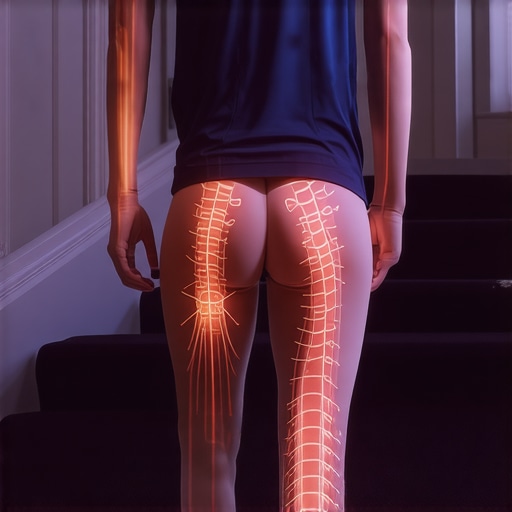
I vividly remember the moment I realized that something as simple as walking down my stairs was suddenly becoming a nightmare. That sharp, shooting pain zipping from my lower back down to my leg caught me off guard. One day, I was blissfully unaware, and the next, I was waddling like an old man, hesitant to descend even a single step. It felt like my body was playing a cruel joke—making everyday movements a test of endurance and patience. If you’ve ever experienced this, you’re not alone.
Why Simple Movements Can Spark Intense Sciatic Pain
Many people overlook how their daily habits, especially moving down stairs, can trigger or worsen sciatica. The root problem often lies in how our bodies are misaligned or how certain muscles aren’t firing as they should. Those sharp, stabbing sensations? They’re your body’s way of signaling that something’s off. Early on, I made the mistake of dismissing this pain as just a minor inconvenience, but ignoring it only made matters worse. That’s why understanding the mechanics behind these movements is so crucial.
Is Sciatica Relief Worth the Hype?
I’ve seen countless quick fixes promising overnight relief, but trust me, real progress comes from understanding what’s happening inside your body. I used to think that stretching was the magic bullet, only to find out that some stretches might actually exacerbate the problem. Learning the correct approach, like proper mobility exercises and posture adjustments, changed everything. To get started on effective strategies, check out these proven home remedies.
If walking down stairs has ever made you wince or hesitate, know that there’s hope. The journey to relief involves identifying the root cause, not just masking the pain. Ready to take control and restore your mobility? Let’s dive into the key reasons why stairs can be a sneaky culprit—and how to fix it.
Control Your Movements, Control Your Pain
Start by practicing controlled, deliberate movements instead of rushing through daily tasks. When I first began focusing on my motion quality, I noticed that moving slowly and with awareness reduced the sharp sensations significantly. Imagine your spine as a stack of delicate books—jerking or rushing can cause misalignment or damage; moving mindfully keeps everything in optimal order.
Master the Art of Gentle Flexibility Exercises
Incorporate gentle stretches that target your hip flexors, hamstrings, and lower back to release tension. A specific move I used involved lying on my stomach and gently lifting my legs while keeping my pelvis grounded, which eased sciatic pressure. Avoid aggressive stretching, as overstretching can aggravate nerve irritation. Check out this guide for prescribed safe stretches.
Strengthen Supporting Muscles Actively
Focus on activating your glutes and core muscles, akin to tightening the foundation of a building before placing new bricks. During a messy workout session, I consciously engaged my glutes with each squat and held my core during daily activities. This prevents unnecessary strain on your lower back and sciatic nerve. Use light resistance or bodyweight exercises, gradually increasing as you progress.
Adjust Your Posture for Relief
Align your spine correctly throughout the day, much like setting a well-tuned instrument. My breakthrough came when I realized lingering in poor posture, especially while seated or descending stairs, worsened my symptoms. Regularly check and correct your seating, standing, and stair descent habits. For ergonomic insights, visit these ergonomic tips.
Implement Safe Stair Descent Practices
Think of stair descent as carefully descending a ladder on a shaky bridge. When I started slowing down and focusing on placing each foot deliberately, the stabbing pains diminished. Keep your weight slightly forward when stepping down, avoid twisting your torso, and engage your leg muscles to support the movement. Looking for detailed stair techniques? See this expert advice.
Self-Massage and Myofascial Release
Use tools like a tennis ball to massage your lower back and hips, breaking up muscle knots that trigger nerve compression. I set aside ten minutes daily to roll out tight spots—initially awkward, but the relief was immediate. Focus on tender areas, applying gentle pressure, and avoid pressing directly on the sciatic nerve. For tutorials, explore this self-massage technique.
Monitor and Adapt Your Lifestyle
Small lifestyle changes compound to big relief. Limit prolonged sitting, avoid lifting with rounded backs, and incorporate movement breaks. When I started taking 2-minute mobility breaks every hour, my posture improved and pain decreased. Keep your back movement active and avoid static postures for extended periods. Learn more about these practices at Mobility Mastery.
Implementing These Steps Today
Applying these methods consistently creates a cumulative effect, like assembling a puzzle. Be patient as your body adapts, and focus on gentle, controlled progression rather than quick fixes. Persistent focus on mobility, strength, and posture can turn stairs from a pain trigger into a safe movement. For more detailed strategies, visit this comprehensive guide.
In the realm of back and sciatic pain, many commonly held beliefs are actually misconceptions that can hinder recovery. One prevalent myth is that complete rest is the best cure—yet, in my experience and backed by recent research, staying active with proper modifications accelerates healing and prevents stiffness. A study in The Journal of Orthopedic & Sports Physical Therapy emphasizes that immobilization often prolongs pain and impairs mobility, underscoring the importance of movement for recovery.
Another misconception is that pain always indicates damage that requires aggressive intervention. However, pain can sometimes be a protective mechanism or a sign of nerve irritation rather than structural deterioration. Misinterpreting this can lead to unnecessary surgeries or medications, which may compound the problem. Instead, focusing on nuanced assessments helps differentiate root causes, guiding effective strategies like targeted mobility exercises or soft tissue work.
People also tend to think that stretching is universally beneficial. While gentle stretching can relieve tension, overdoing or applying inappropriate stretches may irritate nerves further. For example, stretching the hamstrings excessively without addressing underlying nerve impingements can worsen sciatic symptoms. That’s why integrating safe, evidence-based practices—like myofascial release and muscle activation routines—are more effective for long-term relief.
For those seeking more advanced insights, consider the question: Why does addressing only the symptoms sometimes lead to recurring pain? The answer lies in the body’s compensatory patterns. Chronic pain often results from movement dysfunctions and muscular imbalances that persist below the surface, unnoticed during superficial treatments. Incorporating comprehensive assessments and corrective exercises targeting these hidden issues can produce lasting results. Discover more about this approach through this in-depth guide.
Moreover, I often warn clients about the trap of exclusively relying on passive remedies like heat pads or painkillers. While temporarily soothing, they don’t address the core causes—be it poor posture, muscular weakness, or nerve compression. Using these as part of a holistic plan, combined with active interventions, yields better and sustainable outcomes.
So, have you ever fallen into this trap? Let me know in the comments. Waking up to these misconceptions can be a game-changer in your journey toward freedom from pain and restored mobility.
Ensuring Your Body Stays in Top Shape Over Time
Maintaining your back, neck, and overall mobility is an ongoing journey that requires the right tools and strategies. Personally, I find that integrating specific equipment and software into my routine has made a significant difference in preserving results and preventing relapse. Investing in these well-chosen tools not only enhances recovery but also helps in scaling your mobility practice as you progress.
My Go-To Self-Massage Devices
For instance, I rely heavily on high-quality foam rollers and myofascial release balls. A dense foam roller, like the TriggerPoint GRID, offers the perfect balance of firmness and flexibility, enabling me to target deep muscle knots that contribute to nerve compression. Rolling out my lumbar region and hips daily, I notice increased flexibility and reduced sciatic flare-ups. Additionally, a tennis ball or specialized massage ball allows pinpoint pressure on stubborn trigger points, especially in the glutes and lower back, as detailed at this guide.
Program Your Recovery with Mobility Apps
Modern technology offers excellent support; I use mobility tracking apps such as ‘Mobility Lab’ or ‘StretchIt’ to structure my daily routines. These apps provide guided exercises, track my progress, and send timely reminders to stay consistent. Over time, this systematic approach helps me adjust intensity and focus on weak areas. As we look to 2025, the trend is moving toward more personalized, AI-driven mobility coaching, promising even smarter maintenance strategies.
Why Consistency with Tools Matters
One of the biggest lessons I’ve learned is that consistent use of these tools yields the best long-term results. It’s tempting to skip sessions or rely solely on passive remedies, but true progress comes from persistent activation and maintenance exercises. Incorporate a few minutes in your daily routine — whether it’s rolling, stretching, or app-guided mobility drills — to keep your body resilient.
How do I maintain mobility and relieve pain as I age?
Adding strength training with resistance bands such as TheraBands is a game-changer. These bands allow me to perform controlled activation exercises that strengthen supporting muscles, like glutes and core, which are vital in relieving stress on the sciatic nerve. Regularly reviewing ergonomic setups, including adjustable chairs, standing desks, and monitor positioning, also plays a crucial role. For comprehensive ergonomic insights, visit this resource.
Looking ahead, I believe the integration of smart wearables—like posture sensors and biofeedback devices—will revolutionize how we maintain mobility, offering real-time insights and corrective cues. Embracing these tools now prepares you for a future where consistent, data-driven care becomes the norm.
Take Action Today
One effective step? Try incorporating a foam rolling routine into your morning. Focus on your lower back, hips, and hamstrings, then observe how your pain levels shift over the next few days. Staying proactive with these tools ensures your body remains resilient and reduces the risk of setbacks. For more advanced tips on maintaining and scaling your mobility practices, explore this forward-looking guide.
Throughout my recovery, I uncovered certain insights that flipped my entire understanding of managing sciatic pain and restoring mobility. These lessons are deeply personal and often overlooked, yet they proved pivotal in reclaiming my life from persistent discomfort.
The Hardest Lesson I Learned About Sciatica, Back Pain, Neck Pain, Mobility
Patience surpasses quick fixes. Rushing recovery only prolongs frustration. True progress demands consistent effort over time, embracing small victories daily. I used to chase instant relief, but I now realize sustainable healing thrives in perseverance and mindfulness.
3 Myths About Sciatica, Back Pain, Neck Pain, Mobility That Held Me Back
First, that complete rest heals all—movement, when appropriate, accelerates recovery. Second, that stretching always helps—sometimes, gentle activation beats aggressive flexibility routines. Lastly, that only specialized therapy works—empowering self-care and everyday habits make a massive difference. Breaking these misconceptions opened new pathways to healing.
What Experts Won’t Tell You About Sciatica, Back Pain, Neck Pain, Mobility
Often, the underlying cause lies beneath obvious symptoms. Muscular imbalances, poor posture, and unnoticed movement patterns silently sabotage progress. Addressing these hidden factors with targeted exercises and ergonomic adjustments unlocks lasting relief and prevents recurrence. My favorite resource to deepen this understanding is this in-depth guide.
Small Changes, Big Impact: My Daily Rituals for Lasting Mobility
Incorporating mindful movement, strategic stretching, and supportive tools into daily life transformed my outlook. Using foam rollers, mobility apps, and posture checks became my habit, reinforcing progress and fostering resilience. These routines may seem simple, but their cumulative effect is profound—making stairs and daily tasks feel effortless once again.
Remember, your journey is as unique as your body’s needs. Embrace patience, challenge misconceptions, and equip yourself with practical strategies. In doing so, you empower long-term freedom from sciatic pain and restore the mobility you deserve. Want to explore more tailored approaches? Check out this comprehensive guide.