
Why You Feel a Pinch in Your Hip Every Time You Squat
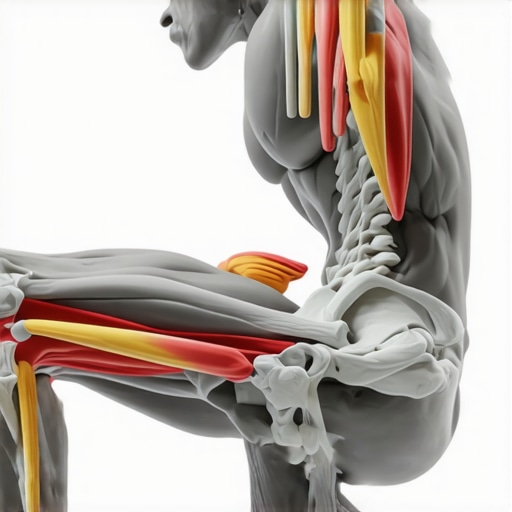
It was a morning just like any other, but as I dipped into my squat, a sharp pinch shot through my hip. For weeks, I had been battling that uncomfortable catch every time I tried to power through my workout. That sudden twinge was a wake-up call—a sign that something was off, and I couldn’t ignore it anymore. If you’re nodding along, feeling that same familiar discomfort, you’re not alone. Many people experience this frustrating sensation, wondering why their hips protest every time they bend down.
The Hidden Root Cause of Hip Pinches During Squats
The truth is, that sharp pinch isn’t just a random nuisance. It’s often a symptom of underlying mobility issues, muscle imbalances, or nerve irritations that build up over time. When I first faced this problem, I dismissed it as mere soreness, expecting it to go away. But ignoring it only made things worse. Through personal trial, error, and some expert advice, I learned that addressing the root issue is the key to regaining comfort and strength.
Did you know that tight hip flexors and weak glutes are common culprits behind this discomfort? According to physiotherapy research, these imbalances can alter your movement patterns, leading to pinches or pain during squatting motions. More surprisingly, even small posture flaws—like a slight forward tilt of your pelvis—can trigger nerve compression, resulting in that unmistakable pinch.
Early on, I made a critical mistake: I pushed through the pain, thinking it was just part of the workout. But this only aggravated the problem and prolonged my recovery. If you’ve been doing the same, remember that prevention and proper technique are your best allies. For targeted strategies to improve hip mobility and prevent future discomfort, consider exploring solutions on enhance your back mobility.
In the upcoming sections, I’ll guide you through practical, proven steps to fix this pinch once and for all—so you can squat comfortably and confidently again. If this sounds familiar, stay tuned—your hips are about to thank you.
Strengthen and Stretch Your Hip Muscles Effectively
Start by dynamically warming up your hips with leg swings. Stand near a wall for support, swing one leg forward and backward for 10 reps per leg. This activates your hip flexors and glutes, reducing tension that causes pinching. I personally felt a difference after a few sessions; initially, I wobbled but persisted, and the relief became noticeable within a week.
Implement Specific Mobility Drills
Incorporate the hip mobility exercises like the pigeon stretch. Place yourself in a kneeling position, bring one knee forward, and lean into the stretch, targeting tight areas around your hip capsule. Doing this daily gradually enhances joint flexibility and alleviates pinches during squats. During my own routine, I extended the hold time gradually from 15 to 45 seconds, noticing improved comfort over two weeks.
Targeted Foam Rolling Technique
Locate your lateral hip and thigh muscles; use a foam roller to apply gentle pressure in slow, controlled movements. Roll for about 2 minutes per side, focusing on tender spots. I once spent five minutes on stubborn spots, which initially felt uncomfortable, but the subsequent squat was noticeably smoother. This method releases fascial restrictions that often contribute to hip tightness and nerve irritation.
Optimize Your Squat Technique
Adjust your stance width and foot orientation based on your natural hip rotation—avoid forcing a perfect form that doesn’t feel natural. Use a mirror to observe your form; keep your knees tracking over your toes, and avoid let your hips cave inward. Countless times, simply tweaking my stance and ensuring a neutral pelvis prevented the pain from recurring. Remember, small technical adjustments can have significant impacts on pain reduction.
Integrate Consistent Post-Workout Care
After training, apply ice on the irritated area for 15 minutes to reduce inflammation, especially if you feel a pinch during or after squatting. Complement this with gentle stretching and mobility work. I recommend exploring ergonomic tips to prevent post-exercise stiffness. Consistency in these routines prevented my setbacks and promoted sustained relief.
Many individuals believe that neck pain, sciatica, or back stiffness can be fixed solely through quick stretches or by resting longer. However, this approach often overlooks the nuanced causes behind these issues. For example, a common misconception is that tight muscles are always the culprit when, in reality, nerve irritations or joint restrictions might be the real causes. Engaging in aggressive stretching without understanding your unique biomechanical pattern can even worsen the problem. Experts warn against this oversimplification, emphasizing the importance of identifying specific dysfunctions rather than applying generic solutions.
A significant trap many fall into is the belief that pain is solely mechanical—meaning if you feel tightness or discomfort, stretching or massage will fix it. While these can help, they often mask underlying postural or movement faults that require targeted correction. For instance, incorrect ergonomic setups contribute heavily to chronic neck and back pain, but conventional remedies rarely address these core issues. To truly resolve persistent pain, it’s crucial to analyze your movement habits and posture—often by consulting professionals or exploring advanced mobility exercises.
### What advanced questions should I ask about nerve involvement?
When experiencing symptoms like numbness or tingling, many assume they are purely muscular, but nerve irritation might be the real driver. Nerve compression can mimic muscle tightness, yet traditional stretching might aggravate nerve inflamation. According to a study in the *Journal of Orthopaedic & Sports Physical Therapy*, nerve gliding exercises, when applied correctly, can profoundly improve symptoms, but only if you recognize nerve-specific signs. Be cautious of overdoing general stretches without understanding whether nerves or muscles are the limiting factor. Prioritize precise diagnosis—you’ll find that resolving nerve-related pain often involves nerve-specific mobilization rather than muscle stretching alone.
Avoid falling into the trap of over-relying on surface remedies; instead, focus on deep assessment of your movement limitations. Ensuring your posture is optimized throughout your daily activities plays a vital role in long-term relief. Related content on posture correction can offer valuable insights. Remember, persistent back or neck pain is a sign your system needs a comprehensive review—do not ignore it.
Have you ever fallen into this trap? Let me know in the comments and share your experiences. When you understand these nuanced causes, you’re better equipped to make lasting changes, not just temporary fixes.Maintaining your mobility and managing pain requires more than quick fixes—it demands reliable tools and consistent routines. I rely heavily on specific equipment like foam rollers and resistance bands, which I personally find indispensable for releasing fascial tightness and strengthening muscles. For example, a dense foam roller allows me to target stubborn knots in my hips and thighs that often contribute to sciatic nerve irritation, as detailed in this mobility guide. Additionally, resistance bands are excellent for controlled strengthening exercises, especially when my targeted muscles need activation without risking overload, supporting long-term stability. Incorporating tools such as ergonomic supports or posture correction straps also aids in daily maintenance, ensuring habits don’t revert to poor postures that cause pain. Looking ahead, the trend in back care is leaning towards smart devices equipped with biofeedback capabilities, enabling real-time posture adjustments and reminders—precursors to a future where technology actively helps sustain movement health. To truly keep your back in working order, I recommend integrating a scheduled foam rolling routine into your day—set a timer, and give your muscles the regular release they crave. This simple step has helped me maintain pain-free mobility, especially when combined with ergonomic adjustments. For an easy start, try rolling out your hips and thighs using a dense foam roller for just 2 minutes after your workout or long periods of sitting. Remember, consistency is key, and leveraging reliable tools can make all the difference in your long-term recovery and mobility resilience. If you want to explore more about ergonomic setups that protect your spine, check out these ergonomic tips. Keep your tools close and your habits aligned, and your back will thank you for years to come.
Throughout my journey, I discovered that persistent hip pinches during squats often mask deeper issues like mobility restrictions and muscular imbalances. The real breakthrough came when I realized that targeted mobility work and proper technique could transform my discomfort into newfound strength and confidence. Remember, addressing the root causes rather than just treating symptoms is essential for sustainable relief. By integrating consistent stretching, mobility drills, and ergonomic awareness into your routine, you empower your body to function optimally and prevent future setbacks. Healing isn’t a quick fix; it’s about building awareness, patience, and resilience to move freely and pain-free for years to come.