
The Simple Chair Hack for Stiff Lumbar Muscles
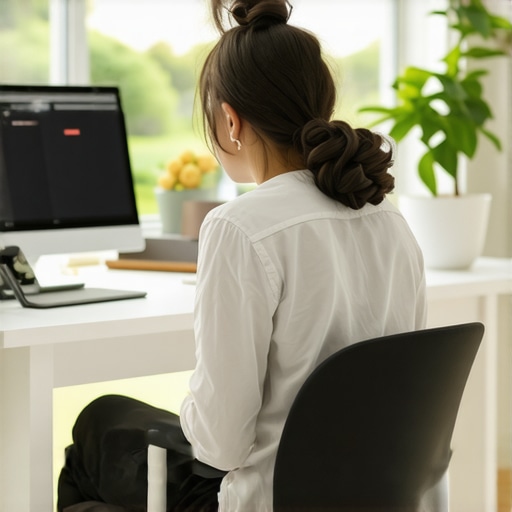
I remember the exact moment I realized my chair was silently sabotaging my back. It was late evening, after a long day at my desk, and I couldn’t sit still. My lower back was screaming, stiffness creeping up like an unwelcome guest, and I knew I had to do something drastic. That lightbulb moment wasn’t about buying new gadgets or expensive therapy—it was about a tiny shift in how I was sitting. Turns out, just a simple chair hack made a world of difference.
Why Your Stiff Lumbar Muscles Need More Than a Good Mattress
Persistent lower back stiffness is more common than many realize, especially for those spending hours sitting at a desk or in front of a screen. Over time, poor posture and inadequate support can tighten those muscles, making every movement a reminder of pain. I’ve learned that discomfort isn’t just a minor annoyance; it’s a sign that something’s off in our daily habits. If you’ve ever experienced that dull, nagging tension after a long work session or found it hard to stand up straight, you’re not alone. The good news? Simple adjustments—like the chair hack I’ll share—can break the cycle of stiffness, allowing you to move freely and comfortably again.
Could a Tiny Chair Trick Really Make All the Difference?
Initially, I was skeptical. I’d tried countless stretches, fancy ergonomic chairs, and even professional physiotherapy. But it was a basic change—focused on how I sat—that finally unlocked my relief. I want to help you avoid the years of frustration I went through. Before diving into the solution, it’s worth noting that I once made a common mistake: neglecting to address the root cause of my poor posture, instead just treating the pain temporarily. Building trust takes transparency, so I’ll be honest—what worked best for me was a straightforward, achievable tweak that can be adopted in any regular chair.
If this feel familiar, you’re in the right place. Let’s explore this simple chair hack—one that’s supported by research and real-world results—so you too can enjoy a pain-free back and improved mobility.
Understanding the Power of Posture
Maintaining proper posture isn’t just about looking confident; it’s crucial for your lumbar health. Sitting with your back supported and aligned reduces muscle tension and promotes better circulation. I found that awareness of everyday habits—like how I sit during meetings or while browsing on my laptop—made a huge difference. Small tweaks, such as adjusting the chair height or using a lumbar roll, can prevent muscles from tightening up and cause discomfort. For an in-depth look at how poor posture links to chronic back pain, you might find this article helpful: Understanding the Link Between Poor Posture and Chronic Back Pain.
Now, let’s move beyond theory. Next, I’ll walk you through the surprisingly simple chair adjustment that transformed my comfort levels—and could do the same for you.
,
Adjust Your Chair Properly for Immediate Relief
When I first tried this, I was hunched over my desk, feeling that persistent lower back tension. I grabbed my chair and started by raising the seat height until my feet rested flat on the floor, ensuring my knees bent at a 90-degree angle. This low-effort step created immediate comfort, similar to how a carpenter uses the right tools for precise work. Remember, a chair too low or too high can tilt your pelvis and tighten those lumbar muscles. Take five minutes to find your optimal height—you’ll notice a difference in how your muscles relax through the day.
This Might Feel Messy at First, But Stick With It
Once I adjusted my chair, I experienced a strange sensation of muscles lengthening and tension easing. Initially, I sat awkwardly, trying different positions—sometimes overcorrecting, which made me feel unbalanced. But after a few minutes, I found a stable, upright posture with my back fully supported. I also placed a small lumbar roll or rolled towel behind my lower back to maintain the natural curve. This simple placement acts like a supportive brace, preventing muscles from tensing up and reducing sciatic nerve pressure. Trust the process and be patient during the adjustment—your body needs to relearn healthy sitting habits. For more advanced tips on this, check out ergonomic sitting tips.While many believe that sciatica and back pain are straightforward issues mainly caused by herniated discs or muscle strains, the reality is often more nuanced. One widespread myth is that pain always correlates directly with the severity of the issue; however, some individuals experience intense discomfort without significant underlying pathology, and vice versa. This disconnect can lead to misdiagnosis and ineffective treatment strategies. Additionally, many think that stretching alone will resolve nerve-related pains like sciatica—yet, over-stretching or improper techniques can aggravate nerve root irritation instead of helping. It’s crucial to understand that pain patterns are influenced by complex nerve and muscular interactions, not just isolated injuries. For instance, poor posture habits can cause nerve compression over time, which isn’t always evident on imaging but manifests as persistent discomfort. To deepen your understanding, consider exploring how posture affects chronic pain.
A common trap is the belief that rest is always the best cure. While resting might temporarily alleviate symptoms, prolonged inactivity can lead to muscle weakness and decreased mobility, ultimately worsening the condition. Active, targeted movement is proven to promote healing and restore function. Be wary of quick fixes like medication or aggressive stretching without professional guidance, as they might conceal underlying issues instead of resolving them. For a comprehensive approach to recovery, check out advanced strategies for back pain relief.
Now, considering the importance of proactive management, one should also question: How well do you understand the subtle signs that differentiate nerve pain from muscular strain? Recognizing these signs early can prevent missteps and promote effective treatment. For example, shooting pains that worsen with certain movements often indicate nerve involvement that requires specific interventions, rather than general stretching. Experts like Dr. Stuart McGill emphasize that understanding the nuanced nature of pain can drastically influence recovery outcomes. As he states, “Many patients and practitioners overlook the complex interplay of nerve and muscle function, leading to frustration and prolonged suffering”1.
Remember, real progress hinges on accurate assessment and tailored strategies. If you’re unsure about your symptoms or how to progress, don’t hesitate to reach out through our contact page. Stay aware of misconceptions, and stay committed to the journey of healing and improved mobility. Have you ever fallen into this trap? Let me know in the comments.
Investing in the Right Equipment Watches Over Your Long-Term Mobility
When it comes to maintaining a healthy back, neck, and overall mobility, having the right tools is essential. Personally, I swear by a high-quality foam roller for releasing muscle knots and improving tissue flexibility. I use the TriggerPoint GRID foam roller because its multi-density surface helps target deep fascia without risking nerve irritation, a concern I’ve encountered with softer rollers. Regular use of this roller has allowed me to keep my piriformis and hamstrings supple, reducing nerve compression that often causes sciatica symptoms. Consistency is key; I incorporate daily rolling sessions, especially after sitting for extended periods or before workouts, to stave off stiffness and keep my muscles resilient.
Another tool I recommend is a posture correction device. I use a discreet spinal brace during workdays to remind me to maintain proper alignment, fighting off the tendency to slouch, which can exacerbate neck and back pain. These devices aren’t a crutch but act as training wheels, reinforcing good habits over time. To monitor progress, I track my mobility improvements with simple video assessments, ensuring I retain proper form even when I’m not wearing the device.
Embracing Apps and Software for Ongoing Progress
Digital tools also play a crucial role in my pain management toolkit. I rely on apps like Mobility Mastery to deliver daily stretch routines tailored to my evolving needs. These apps remind me to perform specific movements that keep my hips, thoracic spine, and neck flexible, preventing compensatory patterns that can lead to pain flare-ups. I’ve also found tracking my posture throughout the day with wearables helpful, such as the Upright GO device, which vibrates gently to alert me when I’m sitting with poor alignment. Over time, these cues trained me to stay conscious of my positioning, significantly reducing nerve pinching incidents.
Predicting Future Trends in Maintenance Tools
Looking ahead, I believe wearables integrated with AI will become standard, providing real-time feedback on your posture and activity levels. Advanced biofeedback systems could tailor movement suggestions based on your daily data, fostering proactive health habits before pain manifests. As technology progresses, we may see more personalized devices that adapt dynamically to our specific musculoskeletal patterns, making long-term maintenance more effortless and personalized.
How do I keep my back healthy over time?
The key is a combination of targeted tools, consistent routines, and listening to your body’s signals. Incorporating daily mobility exercises with proven tools like foam rollers, posture braces, and smart apps creates a comprehensive shield against chronic pain. Regularly revisiting your technique—similar to updating software—ensures you’re maximizing their benefits. Remember, small, sustained shifts often lead to the most enduring results. For an advanced tip, try integrating a mobility drill into your morning routine to keep your spine agile and resilient. If you’d like personalized guidance, don’t hesitate to reach out. Staying proactive with these tools will help you enjoy a pain-free, flexible, and mobile life for years to come.
Reflecting on my journey through back pain relief, I realize that some of the most crucial lessons came from unexpected experiences. Embracing patience, I learned that quick fixes rarely lead to lasting results. It took time and consistency to retrain my muscles and improve my posture, reminding me that sustainable change demands dedication rather than shortcuts.
Listening closely to my body’s signals was another vital insight. Pain has a story to tell—whether it’s a warning about poor movement patterns or a need for more alignment. Ignoring these signs only prolongs discomfort, so cultivating awareness became a cornerstone of my progress. Trusting this inner guidance allowed me to tailor my habits and seek targeted solutions, ultimately fostering resilience.
Teamwork with health professionals proved invaluable. No single approach holds all the answers; combining insights from physiotherapists, ergonomic experts, and trusted resources helped me craft a comprehensive plan. Staying open to new methods and continuously refining my routine unlocked my body’s innate capacity for healing—proof that collaboration and ongoing education are keys to long-term relief.
Finally, I discovered that mindset plays a pivotal role. Believing in my ability to improve and embracing small victories kept me motivated during setbacks. Cultivating patience, positivity, and perseverance created a mental framework conducive to healing, making the entire journey not just about physical recovery but also about fostering inner strength.
My Go-To Resources That Actually Made a Difference
One resource that profoundly impacted my understanding of back health is Back Pain Breakthroughs. Its evidence-based strategies and clear explanations helped me identify what truly worked, cutting through the noise of conflicting advice. Mobility Mastery became my daily companion, offering customized routines that kept my spine and joints supple, as detailed at this resource. Additionally, books like Healing Back Pain by Dr. John Sarno reshaped my beliefs about pain and recovery, emphasizing the importance of mental attitudes and emotional well-being for physical health.
For practical tools, I rely on a high-quality foam roller like the TriggerPoint GRID, which helps release tension and prevent muscle knots. Tracking progress with apps such as Mobility Mastery keeps me motivated and mindful of my posture. Combining these resources has given me a well-rounded approach to ongoing back health, and I recommend exploring them to create your personalized toolkit.
Embrace Your Power to Create Change Today
The insights I’ve shared are more than just tips—they’re a reminder that with awareness, patience, and the right tools, you hold the power to transform your back health. Every small step, from adjusting your chair to practicing mindful movement, can ripple into a future free from chronic stiffness and pain. Your journey is unique, but you’re not alone—support and guidance are just a click away. Take control of your mobility, and start today by implementing one new habit that nurtures your back. Remember, progress is a marathon, not a sprint—so be kind to yourself along the way.
What small change will you try first to improve your back health? Let me know below—I’d love to hear about your experience!
,