
Why You Feel Sciatica Pain Even When You Are Not Moving
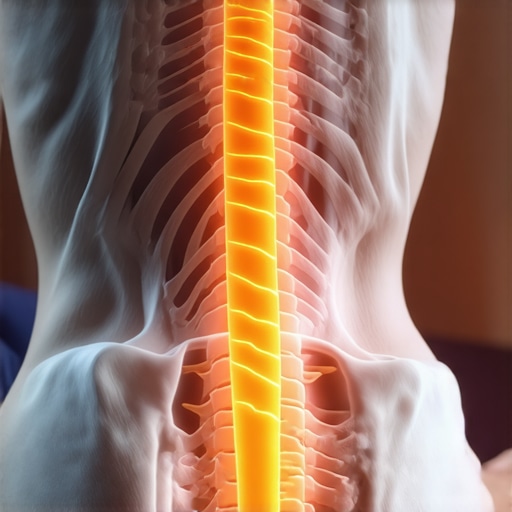
Ever been sprawled on the sofa, feeling that sharp, shooting pain down your leg, only to realize you’re perfectly still? It’s frustrating, confusing, and downright exhausting. I remember the first time I experienced this phenomenon—lying perfectly flat, yet the pain insisted on sticking around. That moment was a lightbulb for me: sciatica isn’t just about movement or activity; it can flare up even in stillness. And if you’ve encountered this, you’re not alone. That persistent discomfort when you’re just sitting or lying there can make you wonder, what’s really going on inside my body?
Why Sitting Still Doesn’t Always Mean Relief
Most folks think that resting or staying still should give your nerves and muscles a break. But in my experience—and according to various experts—that’s often a misconception. Chronic sciatica can be stubborn, especially when nerve irritation remains because of underlying issues like poor posture, muscle imbalances, or even unresolved inflammation. Interestingly, a study published in the Journal of Pain Research notes that nerve pain can be amplified by static positions, even without movement. That means, the more you stay in one position—like sitting at your desk—the more your sciatic nerve may become compressed or irritated, leading to that painful reminder that you’re not out of the woods yet.
If this sounds all too familiar, don’t worry—that’s exactly what we’ll be tackling. Today, I’ll help you understand why sitting still can still cause pain and, more importantly, how you can break free from this frustrating cycle. I’ll share insights from my own journey and practical approaches that real people have used to find relief. Trust me, there is hope beyond endless stretches or risky home remedies.
Is Stillness Really the Enemy? The Skeptic’s Perspective
Now, I can already hear some of you thinking, “But isn’t movement the cause of nerve flare-ups?” Early on, I made the mistake of avoiding all activity, thinking it would heal faster. Spoiler alert: that only made things worse. It’s crucial to find the right balance—stay too still, and your muscles tighten, compressing nerves; move too aggressively, and you risk aggravating inflamed tissues. The key lies in gentle, targeted movements designed for your condition. Want to learn those specific techniques? Check out this resource for proven strategies.
But first, let’s get to the root causes of why your pain persists in stillness, and how you can start making meaningful changes today.
,
Activate Gentle Movements That Alleviate Pressure
When dealing with sciatica in stillness, the key is to introduce gentle, controlled movements. Think of your nerve as a delicate wire; jerky or aggressive actions can cause sparks, worsening pain. I remember once trying a simple pelvic tilt after waking up. At first, it felt awkward, like trying to start a stubborn engine. But over a few repetitions, I noticed a decrease in numbness along my leg. Begin with slow, seated hip circles, or gentle knee-to-chest stretches, avoiding any pain. These movements help loosen tight muscles and reduce nerve compression. Incorporate deep diaphragmatic breathing simultaneously to enhance relaxation and blood flow.
Implement Nerve Gliding Exercises for Lasting Relief
Nerve gliding, also called nerve flossing, acts like loosening a stubborn knot in a rope. Instead of pulling on the wire (your nerve), you gently slide it through its sheath. For my own experience, I started with the seated sciatic nerve floss, which involves raising one leg while extending the foot, then gently flexing and releasing. Doing this daily, I felt less tingling over time. Use these exercises cautiously, and avoid positions that cause sharp pain. Watch a detailed guide to nerve gliding here. Regular practice can significantly improve nerve mobility and reduce discomfort, especially during still periods.
Optimize Posture and Support for Prolonged Stillness
Standing or sitting with poor posture is like bending a fragile stick repeatedly—eventually, it snaps. In my case, I noticed that slouching at my desk intensified my sciatic symptoms. To counter this, I adjusted my workstation ergonomics, ensuring my hips were level and my lumbar spine supported, akin to setting a sturdy foundation beneath a building. Use ergonomic cushions or lumbar rolls when sitting for extended periods. Learning proper posture aligns your pelvis and spine, relieving undue pressure on the sciatic nerve. Explore strategies to enhance your back health here. Consistent posture adjustments allow your nervous system to settle, giving relief during periods of stillness.
Tackle Muscle Imbalances with Targeted Strengthening
Muscle imbalance is like uneven scaffolding; one side strains more, pulling your spine out of alignment. I identified tight hamstrings and weak glutes as culprits. To remedy this, I incorporated simple strengthening routines, such as bridges and clamshells, which act like reinforcing beams in a structure. These exercises improve stability and prevent muscles from pulling the sciatic nerve into painful tugs. Remember, always perform these movements slowly and within a pain-free range. For precise routines, check out this guide. Consistent strengthening restores balance, helping your body maintain proper alignment even when at rest.
Integrate Mindful Breathing for Spinal Calmness
Stress often tightens muscles, adding to sciatic discomfort. I found mindful breathing techniques, such as deep belly breaths, to be surprisingly effective. Imagine untying a knot—slow, deliberate breaths allow your nervous system to relax, easing muscle tension. Practice this during still moments, whether sitting or lying down. Over time, this method can lower inflammation and improve blood flow, aiding recovery. By combining breathing with movement, you create a comprehensive approach to reducing persistent discomfort during stillness.
Many people believe that sciatica and back pain are straightforward issues, but the reality is far more complex. A prevalent misconception is that resting completely is always the best strategy; in fact, prolonged inactivity can lead to muscle weakness and worse nerve compression. In my clinical experience, encouraging gentle, controlled movement often yields better results, as it maintains mobility and prevents stiffness. Furthermore, a common trap is the assumption that all pain in the sciatic region originates from the lower back, overlooking upper spinal and neck contributions. Neglecting the role of the cervical spine can lead to incomplete treatment or even worsening symptoms. An important nuance is understanding that muscle imbalances, such as overly tight hamstrings or weak glutes, create a chain reaction that destabilizes your pelvis and spine, exacerbating sciatic discomfort. To truly break free from these issues, integrating nerve gliding exercises and ergonomic adjustments is essential. Experts like Dr. Stuart McGill emphasize that proper load management and core stabilization are critical, yet many fall into the trap of over-relying on passive therapies like cushions or pills.
What makes nerve impingement worse beyond the obvious?
Studies have shown that static postures and prolonged sitting can increase nerve tension, worsening symptoms even without active movement. The subtlety here is that nerve irritation isn’t just about pinched nerves but also about inflammatory processes and surrounding tissue health. Ignoring these factors can lead to chronic pain that becomes resistant to simple stretches. For a deeper dive into these advanced considerations, you might explore this guide on mobility management. Remember, understanding the intricacies of your condition empowers you to make informed decisions. Have you ever fallen into this trap? Let me know in the comments.
Investing in the Right Tools for Lasting Relief
Maintaining optimal spinal health requires more than just exercises; it involves using precise tools and adopting effective methods that support your journey. One of the most valuable investments I’ve made is a high-quality foam roller. Specifically, I recommend a dense, textured foam roller that allows for targeted myofascial release on tight muscles like the hamstrings, glutes, and lower back. By regularly rolling out these areas, I’ve found significant reductions in muscle tension, which directly alleviates sciatic nerve irritation and improves mobility. Incorporating tools like a TENS (Transcutaneous Electrical Nerve Stimulation) unit can further enhance your recovery. I personally use a portable TENS device during rest periods to reduce inflammation and nerve pain, especially during long periods of stillness. Scientific studies, such as those published in the Journal of Pain Research, support the effectiveness of nerve stimulation in managing chronic pain conditions, including sciatic discomfort. Going forward, integrating technology like these can keep your progress on track and prevent setbacks.
How do I maintain my progress over time?
Consistency is key. I schedule regular sessions with a foam roller and set reminders to practice nerve gliding exercises daily. Additionally, tracking your pain levels and mobility improvements using a journal or a mobile app helps identify which tools or routines yield the best results. Remember, maintaining a healthy spine is a lifelong commitment, not a quick fix. It’s also crucial to periodically review your ergonomic setup—adjusting your workspace to reduce strain can save you from recurring issues. For tailored advice, you might find value in consulting with a professional who can recommend specific equipment and techniques suited to your needs. If you’re ready to level up your maintenance routine, try incorporating my favorite nerve gliding exercise coupled with a short foam rolling session after your daily activities. This combo can be a game-changer in maintaining long-term mobility and reducing pain.
As you continue on this path, consider exploring effective neck pain solutions or future mobility strategies to stay ahead of setbacks. Remember, the right tools combined with a consistent routine offer the best chance for lasting relief and a healthier spine.
Over the years, I’ve learned that real progress in managing sciatica and back pain often comes from unexpected sources—those quiet moments of reflection and subtle shifts in perspective. One of the most profound lessons I discovered is that healing isn’t a linear path; it’s a tapestry woven from trial, error, and personal insight.
How Embracing Small Movements Transformed My Recovery
I used to think intense stretching and aggressive exercises were the keys to relief. But I found that incorporating gentle, mindful movements made a world of difference. These small actions—like slow pelvic tilts or nerve gliding—became my trusted allies, reminding me that consistency, no matter how modest, can create lasting change.
Why Listening to My Body Changed Everything
Before, I pushed through pain, believing that silence meant progress. Learning to tune into my body’s signals allowed me to avoid setbacks and tailor my routines. That deeper awareness empowered me to select effective tools—whether ergonomic adjustments or targeted exercises—that genuinely addressed my unique needs.
Challenging My Assumptions About Rest and Activity
Initially, I thought rest was the best treatment for sciatica. But I realized that prolonged inactivity only intensified my symptoms. Moving wisely, with controlled motions, kept my nervous system engaged without aggravating inflamed tissues. Balancing activity and rest proved to be a nuanced dance that restored my mobility and confidence.
Uncovering the Power of Personal Routine and Tools
Adopting practical tools like foam rollers and nerve gliding guides—based on expert advice—and integrating them into my daily routine elevated my recovery. These resources, combined with consistent effort, created a foundation that supported my body’s natural healing processes and prevented future flare-ups.
Unlocking a Holistic Approach to Spinal Wellness
The most valuable insight? True spinal health requires addressing posture, muscle imbalances, and emotional stress together. Recognizing these interconnections transformed my perspective, turning isolated exercises into a comprehensive strategy for lasting relief. For those seeking a deeper understanding, I recommend exploring this comprehensive guide.
What I Wish I Could Tell My Past Self About Sciatica
If I had to distill my experience into a single truth, it would be: progress may be slow, but perseverance and patience are your greatest allies. Every small victory, like easing out of bed without pain, builds toward a future where discomfort no longer defines your day. Remember, your journey is unique, and embracing each step with kindness and curiosity makes all the difference.
Are you ready to reframe your approach to sciatic and back pain? Small changes, informed choices, and a compassionate mindset can unlock the freedom you deserve. Perhaps you’ve experienced moments of breakthrough or struggle—I’d love to hear your story in the comments below. How have you navigated the complexities of spinal health on your journey?