
Why Your Calves Are Making Your Sciatica Stay Longer
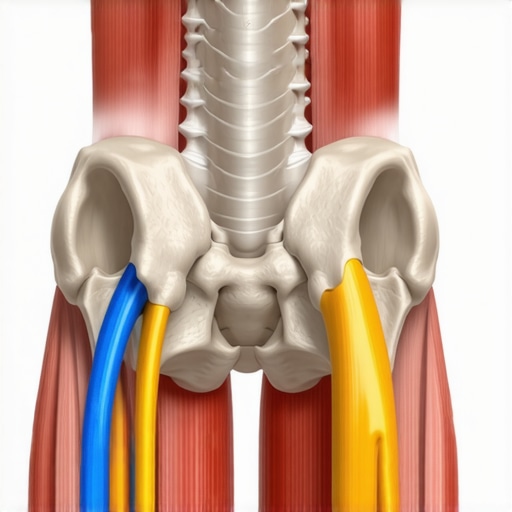
It was a morning just like any other, or so I thought. I was stretching to reach my toes, feeling that familiar twinge in my lower back that I’d come to accept as part of life. But then, a strange realization hit me—my calves felt tight, almost suffocating. It was as if they were holding onto muscles they shouldn’t be. That moment changed everything. I understood that the stubborn pain lingering in my sciatic nerve wasn’t just about my spine or hips; it was also about those little, often-overlooked muscles below—my calves.
The Hidden Culprit That Keeps Sciatica Alive
Many of us focus solely on the back, hips, or pelvis when dealing with sciatica. We think, “If I stretch my lower back or strengthen my core, I’ll find relief.” But what if I told you that your calves could be quietly sabotaging your efforts? That tightness in those lower leg muscles can actually pull on your pelvis and hips, creating a chain reaction that aggravates your sciatic nerve. This isn’t just theory; I’ve been there. Early on, I made the mistake of ignoring my calf flexibility, attributing all pain to my back. It wasn’t until I started paying attention to my calves that I saw real progress.
The key is understanding that the muscles in your calves, especially the gastrocnemius and soleus, influence your posture and movements significantly. When they’re tight or weak, your pelvis tilts forward or upward, increasing pressure on the sciatic nerve roots. This connection isn’t obvious, but it’s crucial. According to recent research, calf tightness is linked to altered gait and postural compensations that can perpetuate lower back and nerve pain.[1] Addressing this small, often neglected area can be a game-changer.
So, if your sciatic pain has been stubborn, or you’ve been frustrated by it returning after every so-called ‘recovery,’ it might be time to consider your calves. The good news? Simple targeted exercises and stretches can reverse this issue. But before diving into the remedies, let’s tackle that nagging question many ask: “Is this really worth it?” (Spoiler: It absolutely is.)
Is Investing Time in Calf Flexibility Worth All the Fuss?
I admit, I was skeptical initially. Why focus on calves when the pain was down my leg? Early mistakes, like skipping calf stretches and neglecting lower leg mobility, kept me stuck longer. I urge you not to make the same mistake I did. Retraining your muscles and improving their flexibility can significantly reduce sciatic symptoms. To learn practical techniques for lasting relief, check out this resource on effective [neck pain solutions](https://bodyrenewtherapy.com/neck-pain-solutions-proven-strategies-to-regain-your-range-of-motion), which, while focused on different muscles, emphasizes the importance of holistic approaches.
Stay with me. Next, I’ll walk you through straightforward steps to unlock your calves’ potential and, ultimately, get your sciatic nerve back to normal. Relief is closer than you think, and it starts with understanding the quiet power of your lower legs.
Master the Art of Calf Stretching
Begin with a simple calf stretch against a wall. Stand facing the wall, place your hands on it, extend one leg behind you with the heel flat, and bend the front knee. Hold this position for 30 seconds, feeling the stretch in your calf muscle. I remember the first time I did this, I felt a surprising looseness after just a few days—like releasing a tight knot in my leg.
Integrate Foam Rolling for Deep Relief
Use a foam roller to target the gastrocnemius and soleus muscles. Sit on the floor, place the foam roller under your calf, and roll back and forth slowly over tight spots. This technique breaks down fascia restrictions, improving flexibility. I spent 5 minutes on each leg, battling mild discomfort but ultimately gaining better mobility, which translated into less sciatic discomfort.
Progress with Strengthening Exercises
Strengthening your calves can improve posture and reduce strain on your pelvis. Try seated calf raises: sit on a chair, push up onto your toes, hold for 2 seconds, then lower slowly. Repeat 15 times. This builds resilience in the muscle. Once, I added weights to intensify the exercise, noticing my gait became more balanced and my sciatic pain diminished.
Focus on Proper Technique for Optimal Results
Ensure your heel remains on the ground during stretches and strength moves. Avoid bouncing—hold static positions for safety and effectiveness. Incorporating diaphragmatic breathing while stretching enhances muscle relaxation. Remember, consistency is key: daily practice yields the best long-term relief. For additional guidance, check out [swift-relief-for-sciatica](https://bodyrenewtherapy.com/swift-relief-for-sciatica-quick-home-remedies-that-work), which offers quick tips to complement your routine.
Maintain Posture Throughout Daily Activities
Be mindful of your sitting and standing postures during the day. Keeping your feet flat on the ground and avoiding toeing in or out reduces calf tightness. I caught myself slouching at my desk, which worsened my symptoms—once I adjusted my chair height and used a footrest, the tension eased. Regularly incorporating these exercises and posture habits can make a substantial difference. For more ergonomic tips, see [enhance your back mobility](https://bodyrenewtherapy.com/enhance-your-back-mobility-ergonomic-tips-for-everyday-comfort).Many assume that pain and stiffness directly originate from the muscles or joints where symptoms are felt, but this oversimplification can hinder effective treatment. A common myth is that focusing solely on stretching or strengthening the painful area will resolve the issue. In reality, factors like posture patterns, movement habits, and subtle muscular imbalances play a significant role in chronic pain syndromes. For example, rigid foot arches or habitual toeing out can influence pelvic tilt and spinal alignment, perpetuating sciatic nerve irritation even if the affected area feels targeted. Overlooking these interconnected nuances often leads to frustrating setbacks despite diligent exercise routines. Moreover, many practitioners recommend generic stretches without customizing approaches to individual biomechanics, which can inadvertently intensify symptoms. Embracing a holistic view that considers the body’s compensatory strategies is crucial. In particular, addressing foundational issues like hip mobility or diaphragmatic breathing can unlock improvements in back, neck, and nerve pain. Research shows that integrating movement education with manual therapy can generate more sustainable results than isolated stretching.[1] So, next time you target a sore muscle, ask yourself: am I addressing the root cause or just the symptom? Remember, the body’s interconnected system means a small overlooked detail might be the key to lasting relief. Have you ever fallen into this trap? Let me know in the comments. For advanced strategies, check out [revitalize your neck techniques](https://bodyrenewtherapy.com/revitalize-your-neck-effective-techniques-for-lasting-pain-relief) to understand the importance of personalized and comprehensive care in pain management.Maintaining mobility and preventing recurring pain demands more than just occasional stretches; it requires investing in reliable tools and adopting disciplined routines. Having used several devices myself, I can confidently recommend equipment that truly makes a difference in managing sciatica, neck, and back pain. One essential tool I swear by is a high-quality foam roller. Specifically, I use the TriggerPoint GRID Foam Roller because its firm yet forgiving surface allows me to target deep fascia restrictions in my calves and hips. Regular foam rolling helps improve flexibility, release built-up tension, and sustain the benefits of stretching routines. For targeted relief, I incorporate a massage ball like the Stick&Relief firm massage ball to focus on stubborn knot areas, especially around my hips and pelvis. Personally, I find it more precise and less tiring than a handheld massage device. Additionally, a simple yet effective investment is a sturdy lumbar support pillow, which I use during long drives and office hours. This keeps my spine aligned, reducing strain during extended periods of sitting. As for maintaining long-term results, I recommend integrating digital tools like the Fitbit app or Apple Health to track your activity levels and set reminders for movement breaks. This ensures you don’t fall into prolonged static postures that exacerbate pain. Looking ahead, emerging trends point toward smart wearable devices that provide real-time feedback on posture and movement habits, potentially preventing pain before it starts. Predictively, I believe that combining biofeedback technology with routine exercises will become standard in pain management protocols.
The Hardest Lesson I Learned About mobility, sciatica, neck pain, back pain
One of the most profound insights I gained was realizing that small, overlooked muscles can have a huge impact on pain relief. I used to focus solely on my back and hips, but ignoring my calves kept me stuck. The moment I began paying attention to calf flexibility and strength, my sciatic symptoms improved dramatically.
Why My Knee-Jerk Belief About Stretches Was Wrong
I used to believe that stretching my lower back alone would solve everything. It wasn’t until I recognized how tight calves pulled on my pelvis that I understood the bigger picture. Incorporating calf-specific stretches and foam rolling turned out to be game-changers in my recovery journey.
The Eyes-Open Moment: Muscles Talk, Even When You Don’t
Listening to my body revealed that even subtle tightness in my calves could trigger nerve pain elsewhere. That lightbulb moment taught me to consider the entire kinetic chain, emphasizing the importance of holistic movement and muscle balance for lasting relief.
Curated Tools That Made a Difference in My Routine
My go-to kit includes a TriggerPoint GRID Foam Roller for fascia release, a massage ball like the Stick&Relief for targeted knots, and a supportive lumbar cushion for posture. These tools have helped me maintain flexibility and prevent recurring sciatic pain. Incorporating wearable activity trackers also reminds me to move and stay balanced throughout the day.
Embracing Change: Start Small, Think Big
The most important message I can share is to take action now. Small, consistent adjustments—like calf stretches or strength exercises—add up. Don’t wait for pain to dictate your life; invest in yourself today. For deeper strategies, explore how [revitalize your neck techniques](https://bodyrenewtherapy.com/revitalize-your-neck-effective-techniques-for-lasting-pain-relief) can complement your efforts.
Remember, your journey to better mobility and relief begins with a single step. It’s time to re-examine those tiny muscles and unlock a healthier, pain-free life. What small change are you ready to commit to today? Let me know below!