
Why Your Desk Chair Is Causing That Burning Shoulder Pain

Have you ever experienced a sudden, fiery sensation creeping up your neck and spreading into your shoulder after a long day at your desk? I remember the exact moment I realized my chair might be the culprit. I was working late, feeling that infamous burning in my shoulder, only to discover that my posture and chair setup were silently sabotaging my comfort—and my health. That lightbulb moment changed everything for me, and I want to share what I learned.
Why Your Desk Chair Could Be Wrecking Your Shoulders
Many of us spend hours seated at a desk, often overlooking how our chair and posture impact our body. What once seemed like a minor inconvenience quickly evolved into persistent pain, making even simple tasks a challenge. The culprit? Poor ergonomic support, combined with habits like slouching or leaning forward, triggers muscle tension and nerve irritation. Over time, this can result in burning, numbness, or a tingling sensation radiating through your shoulders, which I can personally attest to.
Fortunately, there’s plenty you can do to address this. But first, it helps to understand some common mistakes—ones I certainly made early on—that perpetuate these discomforts. For example, I used to ignore the importance of adjusting my chair height and lumbar support, assuming that spending more money on a fancy chair would fix everything. Instead, I realized that proper alignment is about small adjustments, consistent posture, and mindful habits. For more detailed strategies on this, check out this article on breaking the cycle of neck pain and stress.
Is Your Office Setup Actually Worth the Hype?
One hesitation I hear often is, “Does it really matter how I sit?” Trust me, I was skeptical too. I thought as long as I was comfortable, I was fine. But neglecting ergonomic principles can turn small discomforts into chronic issues. The truth is, investing a few minutes to optimize your chair and workstation can save you months of pain and frustration. Recognizing and correcting these habits is key to relief, and I’m here to help you do that.
Now, let’s dive into practical tips to transform your desk ergonomics and finally put an end to that burning shoulder sensation.
Adjust Your Chair for Proper Alignment
Start by setting your chair height so your feet are flat on the ground and your knees are at a 90-degree angle. This foundational step prevents your pelvis from tilting and your spine from compensating. I remember once spending an entire afternoon fighting discomfort, only to realize my chair was too high, causing me to hunch forward. After lowering it, my shoulders relaxed, and the burning subsided within minutes.
Support Your Lower Back with Correct Lumbar Positioning
Use lumbar support or a small pillow to fill the gap behind your lower back, encouraging a natural curve. I experimented with different cushions until I found one that kept my pelvis tilted slightly forward, reducing tension in my upper back and shoulders. Proper lumbar support distributes your weight evenly, preventing slouching and muscle strain that lead to burning sensations.
Position Your Screen Correctly to Maintain Neutral Posture
Place your monitor at eye level, about an arm’s length away. This prevents you from leaning forward, which can strain your neck and shoulders. I once worked for hours with my screen too low, resulting in persistent neck ache. Elevating the monitor with books or a stand resolved the issue, allowing my shoulders to stay down and my neck aligned.
Set Up Your Keyboard and Mouse for Comfort
Position your keyboard and mouse so your elbows are close to your body, forming roughly a 90-degree angle. Use a wrist rest if needed. I struggled initially because I kept reaching forward, causing my shoulders to lift. Once I adjusted my workspace and kept my arms supported, I noticed immediate relief and less fatigue.
Incorporate Micro-Movements to Prevent Stiffness
Regularly stretch and move your shoulders, neck, and wrists every 30 minutes. Simple shoulder rolls, neck tilts, or arm stretches break tightness. I found that setting a timer and doing these quick moves prevented the fiery feeling from creeping up my neck during long work sessions.
Practice Mindful Posture Checks
Every hour, pause to assess your posture. Sit back fully in your chair, relax your shoulders, and ensure your ears are aligned with your shoulders. I created a habit of gently tucking my chin and elongating my neck, which significantly reduced shoulder burning over time.
Remember, small, consistent adjustments make a big difference. If discomfort persists, exploring techniques like professional sciatica relief strategies or consulting ergonomic experts can provide personalized solutions to keep your workspace pain-free.
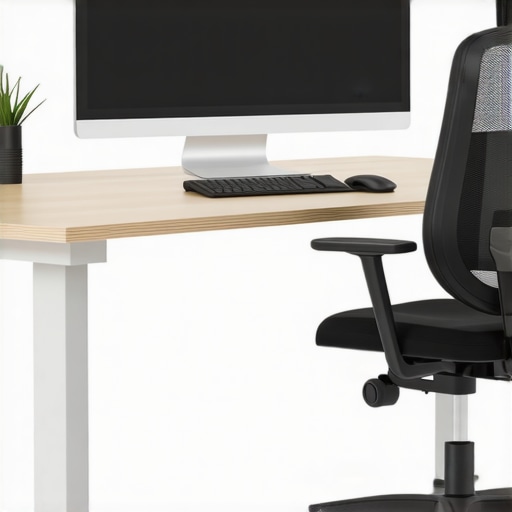 Many believe that back and neck pain stem solely from poor posture or muscle strain, but this oversimplification can hinder recovery. Experienced clinicians understand that pain often involves complex, nuanced factors such as nerve sensitivity, tissue health, and even psychosocial influences. For example, a common misconception is that rest always aids healing, yet prolonged inactivity can weaken muscles and prolong pain, especially in issues like sciatica. A surprising nuance is how nerve hypersensitivity exacerbates perceived pain intensity, even when structural issues resolve; recognizing this can shift treatment toward desensitization techniques. Did you know that research from the National Institute of Neurological Disorders and Stroke highlights the role of central sensitization in chronic pain conditions? This means your nervous system may amplify pain signals, making symptoms appear worse than the underlying tissue damage. With this understanding, advanced approaches incorporate neuroplasticity and pain education, leading to better outcomes. Another trap to avoid: focusing only on superficial fixes like foam rolling or stretching without addressing underlying neuromuscular patterns. For example, relentless stretching of hamstrings in sciatica can sometimes worsen symptoms if muscle imbalance is not corrected first. It’s vital to implement comprehensive strategies, including targeted strengthening, movement retraining, and stress management. Curious about how to assess if your pain is driven by nerve hypersensitivity? Consult a specialist or explore our detailed neck pain resolution techniques. Remember, understanding these nuances helps you avoid common pitfalls and empowers you to take control of your healing journey. Have you ever fallen into this trap? Let me know in the comments.
Maintaining Progress with Targeted Equipment
Investing in quality tools has transformed how I keep my spine healthy long-term. For instance, I personally recommend using a tennis ball for self-massage to release stubborn trigger points in my neck and shoulders. I place the ball between my wall and tight spots, gently rolling over to activate deeper tissue layers—it’s simple yet incredibly effective in preventing pain recurrence. Another essential tool is a lumbar support cushion, which I swap between my office chair and car seat, ensuring consistent lower back support. This minimizes muscular fatigue, especially during extended periods of sitting. I also rely on acupressure mats for my back and neck, which help reduce tension and improve circulation daily. These tools are practical, affordable, and empower you to actively maintain your improvements.
The Role of Software and Apps in Pain Management
Technology isn’t just for distraction; it can be a vital part of your maintenance plan. I use a daily reminder app to prompt micro-movements—simple shoulder rolls or neck stretches—that I perform every 30 minutes. Apps like these keep us accountable, preventing the buildup of stiffness. Additionally, using guided mindfulness or breathing apps helps reduce stress, which can exacerbate muscle tension and pain, especially in cases of stress-related neck issues. Looking ahead, AI-driven posture correction software is evolving rapidly, offering real-time feedback through your device’s camera, alerting you when your posture deviates from neutral. These innovations promise to be game-changers for long-term maintenance.
How to Keep Your Back and Neck Healthy Over Time
Consistency is key. Incorporate daily routines that combine self-massage, ergonomic checks, and movement strategies. For instance, rotating between stretching, strength training, and mobility work creates a resilient system that adapts to daily stresses. Regularly updating your workspace setup, based on ergonomic principles, ensures you sustain benefits. Consider scheduling quarterly ergonomic assessments—many providers now offer virtual consultations, making it easy to stay proactive. Remember, a small investment in these tools and habits can prevent setbacks and reduce the risk of flare-ups. For tailored advice, you can reach out through our contact page.
Future of Long-Term Neck and Back Care
Looking ahead, the integration of smart home devices with health monitoring is poised to provide personalized pain management guidance. Wearables that assess posture and muscle activity are becoming more sophisticated, enabling early detection of strain before pain even manifests. Expert research, like the detailed analysis in the neck pain solutions guide, supports the idea that combining tech with traditional therapy yields better outcomes. I predict a future where proactive, data-driven maintenance becomes the norm, giving you the power to prevent pain episodes before they start.
How do I maintain my progress over time?
One effective approach is to integrate daily micro-movements, regularly reassess your workspace ergonomics, and leverage innovative tools like self-massage devices and supportive cushions. Remember, consistency beats intensity—small daily habits build resilience. Try incorporating a short session of self-massage with the tennis ball every morning, focusing on tight areas identified through your awareness. Over time, this proactive maintenance will act as a buffer, reducing the likelihood of flare-ups and enhancing your overall mobility.

Pull out your tennis ball and give this simple self-massage technique a try today. It’s a small step that can make a significant difference in your ongoing relief journey. Want personalized guidance? Reach us via our contact page to explore tailored strategies and tools designed just for you.
What My Own Struggles Taught Me About Lasting Relief
- Discovering the importance of tiny adjustments—like perfecting my chair height—made all the difference, teaching me that small habits accumulate into big change.
- Realizing that muscle imbalances often hide beneath the surface, I learned that addressing root causes rather than just symptoms is essential for true healing.
- Understanding nerve hypersensitivity opened my eyes to the complexity of pain, shifting my focus from purely structural fixes to neuroplasticity and pain education.
- Patience became my best ally; I found that consistent, mindful practices yield better results than quick fixes—it’s a marathon, not a sprint.
- Empowering myself with knowledge about ergonomics and movement transformed my daily routine, making me proactive rather than reactive in managing my neck and back health.
Tools That Became My Lifesavers
- Investing in a good lumbar support cushion changed my sitting posture instantly—small gear with big benefits that I trust deeply.
- A tennis ball for self-massage proved invaluable for releasing trigger points and maintaining mobility, a simple yet powerful tool I recommend highly.
- Using posture correction apps kept me accountable, turning awareness into action and helping me stay upright throughout my workday.
- Guided breathing and mindfulness resources helped me manage stress-related tension, showing that mental health and physical comfort are intertwined.
Your Next Step Starts Here
Remember, the journey toward neck and back comfort is unique and personal. Embrace the lessons learned from your own experiences, leverage tools that resonate with you, and stay committed to small, consistent changes. The future of managing neck pain and mobility is bright, powered by both technology and awareness—your proactive efforts today will pay off in lasting relief. Don’t hesitate to reach out with your questions or share your wins on this path; together, we can create a healthier, more comfortable tomorrow.
What small change will you try today to improve your neck or back health? Let me know below!