
Why Your Favorite Side-Sleeping Position Is Actually Hurting Your Lower Back
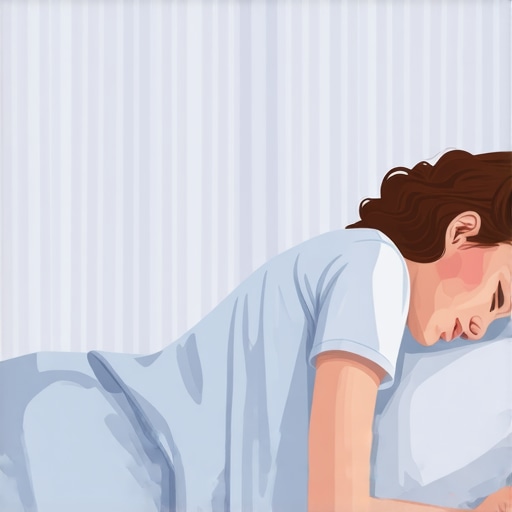
It was late at night when I finally realized why my persistent lower back pain refused to let up. No matter how many adjustments I tried, that dull ache persisted, creeping into my mornings with relentless consistency. I had always thought sleeping on my side was the safest, most restful position, but I discovered it was doing more harm than good. That lightbulb moment was eye-opening—and a bit unsettling.
The Hidden Danger of Side-Sleeping You Might Not Know
As someone passionate about back health, I started digging into the reasons behind this lingering discomfort. It turns out, many people, myself included, have a favorite sleep position—often side-sleeping—that they believe is ideal. But if not done correctly, this position can place unnecessary strain on your lower back, leading to chronic pain and even disc issues over time.
Based on my experience and research, I want to share what I found out. Today, we’ll uncover *why* your beloved side-sleeping might be harming you and, more importantly, how to modify your habits for better relief and long-term health.
Is Your Cozy Bed Hiding a Silent Back Killer?
Early in my journey, I made the mistake of ignoring how my mattress and pillow affected my sleep posture. I thought as long as I was lying down, everything was fine. But I learned that improper alignment during sleep can worsen lower back pain instead of alleviating it. It’s not just about how you sleep, but *how* you sleep.
Recent studies show that poor sleep posture is linked with increased lower back discomfort, and that adjusting your sleeping position can significantly reduce pain levels. Want to know how to sleep better and protect your back? Keep reading, and I’ll guide you through simple, effective strategies.
Now, before we dive into the solution, I want to ask—have you ever woken up with that sharp, stabbing sensation in your lower back, feeling like your sleep almost made things worse? If so, you’re not alone. And trust me, more people are in the same boat than you might think.
When I first started exploring this, I made another mistake—believing that my pain was just a fluke or part of getting older. But understanding the connection between sleep position and back health transformed my mornings. It’s time we stop accepting discomfort as inevitable and start taking actionable steps.
Let’s get into what you can do to turn your sleep habits around. Because your back deserves better—starting tonight.
Start with a Proper Sleeping Surface
Choose a mattress that provides firm support without being too hard. An overly soft mattress can cause your spine to sag, leading to misalignment. To test your mattress, lie down in your usual sleep position and see if your body maintains natural curves. If you notice your hips or shoulders sinking excessively, consider a firmer or ergonomic option. This change helped me prevent lower back strain and improved sleep quality.
Adjust Your Pillow Position and Support
Your pillow should keep your neck aligned with your spine. Too high or stiff pillows can tilt your head unnaturally, stressing your neck and upper back. I replaced my traditional pillow with a cervical support pillow, which maintained my neck’s natural curve. Also, when side-sleeping, place a pillow between your knees; this mimics the natural alignment of your hips, relieving lower back pressure. Proper pillow placement is crucial—think of it as a brace that holds your spine in place throughout the night.
Optimize Your Sleep Position for Back Alignment
Sleeping on your side isn’t inherently bad, but it can be if your hips and spine aren’t supported. To prevent twisting, keep your legs slightly bent and place a pillow beneath your top leg for added support. Alternatively, sleeping on your back with a pillow under your knees can distribute weight evenly and maintain spinal curves. I tried both positions in succession, noting that elevating my knees reduced morning stiffness significantly.
Micro-Story: My First Night Adjusted
One night, I placed a rolled towel under my lumbar region while sleeping on my back. Surprisingly, I woke up feeling more refreshed and with less pain. Though it was messy at first—tucking the towel, adjusting pillows—it taught me how small tweaks can make a big difference. Over a week, I systematically refined my pillow heights and support, turning restless nights into restorative ones.
Manage Core and Back Muscles During Sleep
Strong, balanced muscles support your spine naturally. Incorporate gentle stretching and strengthening exercises during the day, like simple back mobility routines. These activities train your muscles to hold your spine in optimal position, making your sleep posture more effective. As part of my routine, I practiced light core activation exercises before bed, which reduced nighttime discomfort.
Establish a Consistent Sleep Routine
Going to bed at the same time and waking up refreshed can reinforce your new sleep habits. Consistency helps your muscles and joints adapt to better alignment, reducing pain over time. I found that sticking to a sleep schedule, along with the ergonomic adjustments, gradually eased my chronic lower back pain, proving that habits shape long-term outcomes.
Many believe that persistent back pain simply results from aging or minor injuries, but this is a misconception that can prevent effective treatment. A common myth is that rest is always beneficial; in reality, prolonged inactivity can weaken stabilizing muscles, worsening pain over time. Experts like Dr. Stuart McGill emphasize the importance of targeted exercise to rebuild strength and improve resilience. Additionally, many assume that pain indicates damage needing surgery, yet in numerous cases, conservative approaches like specialized physical therapy offer relief without invasive procedures. One trap to avoid is overlooking the role of movement quality. Poor movement patterns—such as compensatory postures during daily activities—can exacerbate pain cycles. For instance, habitual slouching can reinforce kyphotic postures, leading to neck and upper back issues. Addressing these nuances requires an understanding of the interconnectedness of the musculoskeletal system. Advanced practitioners recognize that correcting one dysfunction can alleviate several symptoms, yet many still focus on isolated symptoms rather than root causes. For example, focusing solely on alleviating neck tension without addressing thoracic mobility can result in persistent discomfort. Incorporate proprioceptive training and posture correction strategies, which have been shown to enhance overall mobility and reduce pain recurrence.
How does movement quality influence the long-term management of back and neck pain?
Research indicates that movement dysfunction is a major contributor to chronic pain development. According to a 2020 study published in the Journal of Bodywork and Movement Therapies, improving movement patterns reduces inflammation and decreases pain levels in patients with chronic back issues. This means that by refining how we move—emphasizing core stability, joint alignment, and controlled movements—we can not only relieve current discomfort but also prevent future episodes. However, many overlook the importance of micro-movements and neural control, assuming that big stretches or exercises are sufficient. The reality is that neuromuscular control plays a critical role, and rehabilitation tools like targeted proprioceptive drills have proven effective. I recommend exploring comprehensive programs that address both strength and movement quality to truly elevate your mobility and prevent setbacks. If you’re unsure where to start, consulting with experts who focus on functional movement can be invaluable—see how you can unlock your body’s potential to heal and flourish, rather than just mask symptoms. Remember, the goal is rebuilding a resilient, well-aligned musculoskeletal system that supports your active lifestyle. Want more insights? Check out our comprehensive guides on restoring back health and optimizing mobility, and don’t hesitate to reach out through our [contact page](https://bodyrenewtherapy.com/contact-us). Have you ever fallen into this trap? Let me know in the comments.Maintaining your back health over the long term requires more than just the right exercises; it involves the right tools and methods that support your journey for months or even years. One of my essential tools is a high-quality foam roller, specifically a 36-inch standard size. I personally use the “TriggerPoint GRID Foam Roller” because its multi-density construction provides targeted myofascial release, helping to release muscle tension after intense workouts or long periods of sitting. Using it daily, especially on your piriformis and quadratus lumborum, can prevent the buildup of knots that exacerbate back pain.
Another invaluable asset is a posture-crompting app called “Upright Go,” which I’ve integrated into my routine. This smart device attaches gently to your upper back and provides real-time feedback to correct slouching or forward head posture. It’s like having a personal trainer reminding you to stay mindful of your alignment throughout the day. Regular use has helped me develop better habits and reduce neck strain, a common contributor to back issues.
For those looking to scale their improvements, investing in ergonomic equipment like an adjustable standing desk or an ergonomic chair with lumbar support can make a profound difference. I recommend the “Autonomous SmartDesk,” which allows seamless height adjustments, enabling you to alternate between sitting and standing. This flexibility helps distribute spinal load evenly, reducing the risk of stiffness and degeneration over time.
Complementing physical tools, incorporating mobile apps for guided mobility routines ensures consistent progress. The “Mobility Mastery” app offers customized daily routines focusing on spinal health, hip flexibility, and core stabilization. I personally follow their recommended morning and evening sessions, which have noticeably improved my overall mobility and reduced flare-ups of sciatic pain.
How do I maintain back health over time?
Consistency is key. Schedule regular self-myofascial release sessions with your foam roller, set reminders to check your posture with tech tools, and make ergonomic upgrades to your workspace. Incorporating these tools into your daily routine ensures your spine remains resilient and less prone to injury. Advances in wearable technology, like smart posture coaches, suggest that ongoing, real-time feedback is the future of long-term back health—expect to see more integrated solutions in the coming years. For instance, the use of AI-driven posture analysis tools, such as Lumo Lift, is growing, providing personalized adjustments based on your movement patterns. I recommend trying one of these innovative support systems to see tangible benefits in your mobility and pain management. Want a practical start? Begin by using a foam roller for five minutes each evening and see how your muscles loosen up. For more tailored strategies, visit our [contact page](https://bodyrenewtherapy.com/contact-us) to get personalized guidance tailored to your unique back health journey.Throughout my journey to combat persistent back pain, I uncovered truths that many overlook—insights that transformed my approach and can do the same for you. One of the most eye-opening lessons was realizing that even the most seemingly innocuous habits, like your sleeping position or the type of pillow you use, can significantly influence long-term spinal health. I learned to pay attention to the subtle cues my body gave me, adjusting support and alignment until restful, pain-free mornings became the norm. Embracing consistent movement, thoughtful ergonomics, and specialized tools, I discovered that proactive habits hold the key to enduring relief. The real breakthrough was understanding that my back health is an ongoing process, woven into daily choices—making small, deliberate adjustments can lead to profound, lasting improvements. If you’re seeking a deeper, personalized strategy, exploring expert-recommended routines and technological aids can further empower your journey toward a resilient, pain-free back.