
How to Adjust Your Car Seat to Support Your Lumbar Curve Properly
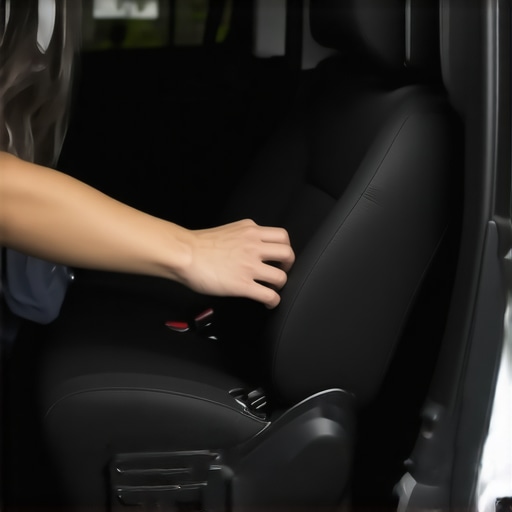
Ever been on a long drive and felt that nagging ache in your lower back that just won’t quit? I remember the moment I realized my daily commute was slowly turning into a source of chronic pain. It hit me when I found myself adjusting my seat multiple times during a trip, trying to find that elusive sweet spot for comfort. That lightbulb moment made me realize: I was doing it all wrong.
Many of us overlook the importance of properly supporting our lumbar curve while sitting, especially in cars. We accept discomfort as a part of driving or commuting, without realizing that a simple adjustment could make a significant difference in preventing back pain, numbness, or even sciatica flare-ups. Your car seat might be one of the most overlooked tools for spinal health—yet it holds the potential to either save you from or contribute to ongoing pain.
So, what exactly is going wrong?
Why Your Seat Adjustment Matters More Than You Think
Supporting your lumbar curve isn’t just about comfort—it’s about maintaining proper spinal alignment during your drive. When your lumbar region isn’t supported, it causes your lower back muscles to strain, leading to fatigue, stiffness, and in the worst cases, nerve impingement. Over time, this can even lead to chronic conditions that impact your quality of life.
Early on, I made a common mistake: I thought that simply leaning the seat back or adjusting the height was enough. Turns out, I was neglecting the crucial aspect of lumbar support. Once I started paying attention to this, I noticed a dramatic decrease in my back discomfort. If you’ve also felt that persistent ache after long drives, you’re not alone—and you’re about to learn how to fix it.
Supporting your lumbar curve is not a one-size-fits-all fix. It requires understanding your own body and making specific adjustments to your seat and posture. If you’re like me and have faced days when sitting in the car becomes unbearable, then keep reading. I’ll guide you through personal tips and professional insights that can transform those painful trips into comfortable rides.
But first, let’s tackle the common doubts that might be swirling in your mind.
Is Lumbar Support Really Worth the Hype?
I used to dismiss the importance of proper lumbar support until I ignored it for too long. Early on, I believed that any cushion or pillow would do, but I learned the hard way that not all support systems are equal. Not investing in the right adjustment can lead to wasted time and ongoing discomfort. For real, a poorly configured seat can sabotage your back health even more. If you’re skeptical, consider this: studies show that ergonomic seat adjustments can dramatically reduce lower back pain for drivers and commuters alike. Want to discover proven strategies that work? Check out [this resource](https://bodyrenewtherapy.com/revitalize-your-neck-effective-techniques-for-lasting-pain-relief) for techniques to relieve neck and back pain, including seat adjustments.
Now that we’ve identified why your seat setup is vital, let’s explore easy, effective ways to get it just right. Are you ready to ride pain-free? Let’s dive into practical steps to support your lumbar curve and transform your driving experience.
Adjust Your Seat Height and Recline Properly
Start by setting your seat height so that your knees are roughly level with your hips. Imagine your thighs as a supportive cradle; if they slouch forward or slump down, your pelvis tilts, straining your lower back. I once spent an awkward 15 minutes adjusting mine after a nagging ache appeared during a long drive. Once I got the height right, I felt an immediate relief.
Lock in a Slight Recline
Next, tilt your seat back just enough to allow your back to rest comfortably against the seat’s backrest—about 100-110 degrees. Think of it as a gentle recline like a lounge chair; this posture reduces pressure on your lumbar discs and muscles. I experimented with this during my last trip, and the difference was startling—I arrived feeling much fresher.
Support Your Lumbar Naturally
Many factory seats lack proper lumbar support, leading to persistent pain. Use a small, firm cushion or a rolled towel placed directly behind your lower back—approximately at the belt line—to mimic the natural curve of your lumbar spine. When I first tried this, I felt my back muscles release tension almost instantly. Insert a 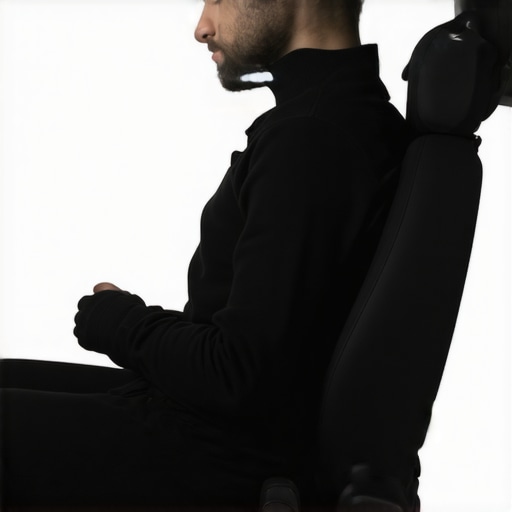 to visualize proper lumbar support placement.
Position is Key
Ensure the cushion fills the gap between your lower back and the seat. If the support feels like it’s pushing you forward or pressing into your spine, adjust its position or size. Remember, comfort isn’t about fluff; it’s about proper alignment. Over time, this adjustment can prevent nerve impingement and reduce sciatica flare-ups.
Fine-Tune Seat Depth and Forward Position
Adjust the seat depth so that your hips sit firmly against the backrest, and your feet comfortably reach the pedals or footrest without stretching. Think of your hips as the fulcrum—if too far back or forward, it creates leverage that strains your lower back muscles. I learned this tip from experts at this resource, which helped me refine my posture further.
Maintain a Neutral Spine
Keep your pelvis in a neutral position, avoiding tilting it forward or backward excessively. This position supports the natural spinal curves. A quick trick: gently rock your hips back and forth; settle into the position that feels most balanced. After adopting this, I noticed a significant decrease in tension and stiffness after long drives.
Use External Supports When Necessary
If your vehicle’s seat can’t provide enough support, consider optional accessories like lumbar rolls or adjustable supports. When I struggled to find comfort with stock supports, switching to a memory foam lumbar pillow made a world of difference. Remember, your goal is to create a setup that encourages proper spinal alignment throughout your journey.
Consistency Is Critical
Implement these adjustments every time you drive, making these habits second nature. Over time, your muscles will adapt, reducing the likelihood of chronic pain. If you need personalized help, don’t hesitate to contact expert therapists for tailored advice. Proper seat setup isn’t a one-time fix; it’s an ongoing investment in your spinal health.
Many people believe that doing simple stretches or relying solely on over-the-counter remedies can fix mobility issues or chronic pain. However, as an expert in spinal health, I can tell you that these assumptions often overlook nuanced factors that significantly influence recovery. For example, many assume that stretching a tight muscle directly relieves pain, but in reality, aggressive stretching without addressing underlying joint restrictions or movement patterns can worsen symptoms and cause further injury. This is a common trap—mistaking symptom relief for a solution.
What’s the mistake most people make when approaching mobility exercises?
They focus on isolated muscle stretches rather than considering the entire kinetic chain. According to a recent study published in the Journal of Orthopaedic & Sports Physical Therapy, focusing solely on muscle flexibility without restoring joint mobility or neural gliding can lead to persistent or recurrent pain. This oversight means that basic mobility drills may be ineffective or even detrimental if performed without addressing factors like fascial restrictions, joint hypomobility, or compensatory movement patterns. For instance, attempting to stretch your hamstrings aggressively when your hip joints are stiff may not produce the desired relief and could reinforce poor movement patterns. Instead, a holistic approach that combines mobility, stability, and neural gliding techniques yields better outcomes. Recognize the ‘oops’ trap—believing that more stretching equals better results—which can just increase existing dysfunctions. It’s essential to learn advanced techniques, like my recommended neuro-mobility routines, detailed in the linked resources, to target root causes rather than superficial symptoms. This nuanced understanding helps prevent the common myth that soreness after stretching indicates progress; often, it signals overstretching or overstress—something to be cautious about. Ready to deepen your knowledge? Make sure your approach aligns with expert strategies, and don’t hesitate to reach out for personalized guidance via [this contact page](https://bodyrenewtherapy.com/contact-us). Remember, true mobility and pain relief come from integrating multiple techniques thoughtfully—so beware of the simple fixes that only paint a veneer of progress. Have you ever fallen into this trap? Let me know in the comments.Maintaining mobility and alleviating back pain, sciatica, or neck discomfort isn’t a one-and-done effort; it requires the right tools and consistent practice. One of my most valuable personal investments has been in ergonomic equipment tailored to my body’s needs. For example, I swear by adjustable lumbar supports that contour perfectly to my lower back, helping me maintain proper posture during long work sessions or drives. I personally use a memory foam lumbar roll, which I placed behind my lumbar spine—because it molds to my curve and ensures I don’t slouch. This simple device has drastically reduced my stiffness and prevented flare-ups.
Equally important are mobility devices like foam rollers and massage balls. I emphasize a high-density foam roller specifically designed for my back and hips; I use it to release fascial restrictions that often cause stiffness and nerve impingement. For targeted trigger points, I incorporate a firm massage ball, which I position in tight spots to soften knots that contribute to nerve irritation. Regular self-myofascial release routines with these tools are game-changers for maintaining long-term mobility.
On the software side, I rely on apps that guide me through daily mobility drills. For instance, I use a customized stretching app that prompts me with specific neuro-mobility routines, helping me address joint hypomobility before it becomes a bigger issue. These routines are based on expert protocols and are adaptable to my daily schedule, making it easier to stay consistent.
Prediction-wise, the future of back and neck health is leaning heavily toward smart devices. Wearables equipped with motion sensors can now monitor your posture and send real-time feedback to remind you to correct your stance. I believe integrating these tools with AI-driven coaching will soon become commonplace, making proactive spinal health management more accessible and effective.
### How do I maintain long-term mobility and prevent setbacks?
Consistency is key. Incorporate your favorite supports and mobility routines into a daily habit. Schedule regular reviews with professionals who can personalize your tools—consider consulting a therapist familiar with ergonomic setups or functional movement screening. If you notice persistent issues or want personalized advice, don’t hesitate to reach out through [this contact page](https://bodyrenewtherapy.com/contact-us).
Lastly, don’t overlook the power of integrating expert-recommended techniques like neuro-mobility routines, which can be found detailed in [this resource](https://bodyrenewtherapy.com/revitalize-your-neck-effective-techniques-for-lasting-pain-relief). Trying one advanced tip—such as using a targeted massage ball in tight hip or lower back areas—can provide immediate relief and support ongoing mobility. By combining proper tools with disciplined practice, you’re setting yourself up for sustainable spinal health and a pain-free life.
What I Wish I Knew When I Started Fixing My Back Pain
One of the toughest lessons I learned was that supporting my lower back wasn’t just a minor adjustment; it was the key to full-day comfort. I used to underestimate how much poor seat positioning contributed to chronic pain, but now I realize that every small tweak made a tangible difference. My biggest breakthrough? Understanding that supporting the natural lumbar curve transforms your entire driving experience.
Another lightbulb moment came when I discovered that even high-end seats fail if not set up correctly. No fancy upholstery or support cushions can compensate for improper alignment. It cemented the idea that personalized, mindful adjustments are what really matter—the small details matter more than I had believed.
Finally, I learned that making seat support a daily habit prevents the accumulation of pain. Just like maintaining my car regularly keeps it running smoothly, adjusting my seat and posture every time I drive keeps my spine happy and healthy. The takeaway? Consistency in supporting your lumbar area isn’t optional—it’s essential for long-term mobility.
My Go-To Resources for Back and Neck Relief
I’ve trusted this guide on effective neck techniques because it offers science-backed routines that actually work and fit into a busy schedule. For my mobility routines, I rely on simple exercises that deliver real results — straightforward, no-fuss routines that keep me agile. When I need tailored advice, I reach out through professional guidance because personalized support makes all the difference. And for ongoing education, I’ve found this resource on sciatic relief invaluable for understanding root causes and effective strategies.