
Why Your Pelvic Tilt Is Causing Constant Ache
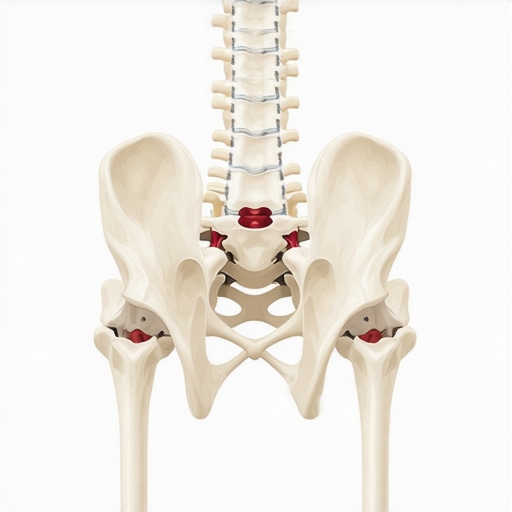
I remember the exact moment I realized my persistent lower back pain wasn’t just a random ache, but something fundamentally tied to how I was standing and moving every day. One evening, after a long day of sitting in wrong postures, I finally felt that dreadful, nagging pressure deep in my pelvis that just wouldn’t go away — no matter how many stretches or painkillers I tried. It was as if my body was trying to send me a clear message, but I was too busy ignoring the signs to notice. Have you ever experienced that all-over discomfort that seems to stick around, no matter what you do? If so, you’re not alone. And from personal experience, I can tell you: understanding the root cause can be a game-changer.
How a Tiny Tilt in My Pelvis Became a Constant Source of Pain
What I didn’t realize back then was that my pelvis wasn’t perfectly aligned. Instead, it was tilted forward just enough to put pressure on my lower back muscles and nerves. This seemingly small misalignment, often called pelvic tilt, can quietly cause chaos—persistent aches, sciatica, and even hip discomfort. It took me a while to connect the dots, but once I did, everything started to make more sense. Experts suggest that about 80% of chronic lower back pain stems from postural issues like pelvic tilt (source: Body Renew), which means there’s hope for relief if we address the root problem.
Early on, I made a classic mistake — ignoring the importance of aligning my pelvis because I thought stretching and strengthening my back would be enough. Spoiler: It wasn’t. That mistake made me realize that simply treating symptoms without fixing the cause is like putting a band-aid on a leaking pipe. In our journey today, I want to share how understanding, recognizing, and correcting pelvic tilt can dramatically change your life—freeing you from that constant ache that seems to take over your every move.
Is Pelvic Tilt Really the Culprit Behind My Pain?
It’s natural to feel skeptical, especially when you’ve tried countless remedies with little success. I get it—trusting that something as subtle as pelvic tilt could be causing so much pain seems almost too simple. But here’s the thing: early in my learning curve, I dismissed this connection because I’d overlooked how our body’s alignment directly impacts nerve function and muscle tension. The truth is, addressing posture issues like pelvic tilt isn’t just a fad; it’s backed by research and real-world results. So, if you’re wondering whether your pain might be linked to this overlooked factor, keep reading. Together, we’ll explore practical, evidence-based strategies to test and fix your alignment — and finally experience lasting relief.
Assess Your Pelvic Alignment
Begin by determining whether your pelvis tilts forward or backward. Lie on your back with knees bent, and observe the natural curvature of your lower back. A simple test involves placing a small book or level under your sacrum—if it’s tilted, you might notice unevenness that indicates misalignment. I found that applying this straightforward assessment in my living room revealed a noticeable tilt, which was the first concrete step toward fixing my chronic pain.
Identify Your Postural Habits
Reflect on daily habits that contribute to tilt. Do you favor one side when sitting? Is your backpack always on the same shoulder? These small habits can subtly reinforce misalignment. For me, consistently leaning to one side when working at my desk caused uneven hip loading. Recognizing these patterns helped target specific corrective actions. Check out ergonomic tips for everyday comfort here.
Engage in Targeted Exercises
Strengthen weak muscles and stretch tight ones. For pelvic tilt correction, focus on strengthening the glutes and core muscles while stretching hip flexors and lower back muscles. I incorporated simple exercises like glute bridges and planks, which gradually improved my pelvis positioning. For quick guidance, try the bulletproof lower back exercises. Consistency is key: dedicating 10 minutes daily led to noticeable improvements in my posture and reduction in pain.
Practice Proper Sitting and Standing
Body positioning is crucial. Sit with your hips and knees at parallel angles, avoiding slouching or leaning forward. When standing, distribute weight evenly across both legs and keep your pelvis in a neutral position. I initially caught myself habitually tilting forward during meetings, which exacerbated discomfort. Adjusting my chair height, pace of standing, and alignment during daily tasks made a tangible difference. For detailed advice, explore sitting position tips.
Incorporate Movement Throughout the Day
Avoid prolonged static postures. Set timers to remind you to stand, stretch, and move. I started integrating 5-minute movement breaks every hour, which alleviated muscle stiffness. Simple movements like pelvic tilts, gentle twists, or walking helped restore balance and reduce strain. For more effective strategies, review mobility exercises designed for daily integration. These micro-movements actively counteract the effects of sitting long hours, which worsened my initial tilt.
Seek Professional Help for Persistent Issues
If self-assessment and exercises don’t fully resolve the imbalance, consult a specialist. A physical therapist or chiropractor can provide hands-on adjustments and tailored programs. I experienced immediate relief after a professional correction, which then enabled me to continue with targeted exercises securely. For finding a qualified practitioner, visit our contact page. Remember, correcting pelvic tilt is a process, but with persistence, lasting pain relief becomes achievable.
In the world of pain management, there’s a widespread misconception that targeting isolated symptoms—like muscle tightness or nerve pain—solves the root issue. However, many tend to focus solely on symptom relief, neglecting the nuanced interplay of postural habits and structural imbalances that often underpin chronic discomfort. One common myth is that stretching alone can correct complex problems like piriformis syndrome or neck tension, but in my experience, this approach often leads to temporary relief at best. Instead, addressing the hidden nuances—such as subtle pelvic tilts or cervical misalignments—can make all the difference in long-term recovery.
Here’s the crucial part: premature or unqualified interventions can even worsen the situation. For instance, aggressive stretching for sciatic nerve pain without first evaluating nerve glide ability or postural causes may exacerbate inflammation or nerve sensitivity. According to a study published in the Journal of Orthopaedic & Sports Physical Therapy, neglecting to correct underlying biomechanical dysfunctions dramatically increases the risk of recurrent episodes (source: unlocking mobility).
What About Short-Term Relief While Ignoring Root Causes?
Many people fall into the trap of relying on quick fixes—like heat packs or OTC medications—to mask symptoms without addressing underlying postural imbalances. This might seem effective initially, but it often leads to a cycle where pain recurs, worsening over time. Ignoring foundational issues like pelvic tilt or neck alignment delays true recovery and increases the likelihood of developing secondary problems, such as compensatory movement patterns or joint degeneration. My advice? Invest in comprehensive assessments and targeted corrective exercises, which have proven to yield lasting results. For example, simple adjustments in your daily posture or learning specific nerve glide techniques can significantly enhance mobility—discover how here.
Be wary of the common misconception that pain equals damage requiring surgery. Often, pain is a warning sign of dysfunction, not a direct indicator of structural failure. Correcting misalignments and addressing postural habits often reduces pain and improves function more effectively than invasive procedures. Remember, the goal should be restoring natural movement patterns and nerve function, not just temporarily silencing symptoms.
To truly excel at managing back and neck issues, understanding the complex interactions between structure, function, and habits is vital. Avoid superficial treatments; instead, focus on the nuanced, often overlooked factors that influence long-term health. Curious about how to implement these advanced strategies? Check out our comprehensive guides on top lifestyle changes for sciatic relief and effective neck pain techniques. Don’t settle for temporary fixes—your spine and joints deserve a nuanced, expert approach to lasting wellness.
Have you ever fallen into this trap? Let me know in the comments!
Maintaining a healthy back, neck, and overall mobility requires more than just exercises; it involves the right tools, habits, and ongoing attention. Personally, I rely on specific equipment and techniques that I’ve found essential for sustained relief and functionality. These tools not only help me monitor my posture but also ensure I stay aligned as I move through daily life. I want to share what has worked for me, so you can incorporate these strategies into your routine for lasting results.
My Go-To Posture Monitoring Devices
Real-time feedback is crucial for preserving proper alignment, especially when working long hours at a desk or during physical activity. I use a posture sensor called Upright GO 2, which vibrates gently whenever I slouch. This device provides immediate cues, helping me correct my posture before pain compounds. It’s a game-changer because it fosters conscious awareness without disrupting my workflow. To complement this, I utilize a smartphone app that logs posture data, allowing me to identify patterns and areas for improvement over time. This combination helps me stay consistent and avoid slipping back into poor habits.
Why I Swear by Foam Rollers and Resistance Bands
For my mobility maintenance, I swear by a textured foam roller. Regular self-myofascial release helps reduce muscle tightness, particularly in the hips, lower back, and neck. I dedicate five minutes daily to rolling sites that tend to tighten, which keeps my tissues supple and prevents nerve impingements. Resistance bands come into play for strengthening weaker muscles, especially the glutes and core. These bands are portable, inexpensive, and highly effective for targeted strengthening—helping correct imbalances like pelvic tilt that cause chronic pain.
Next-Gen Approaches and Predicted Trends
Looking ahead, I see wearable technology becoming even more sophisticated, integrating AI to customize movement and posture cues dynamically. Machine learning algorithms could analyze my daily movements and suggest personalized exercises, maximizing long-term health. Innovations like portable nerve gliders or smart stretch bands are on the rise, offering precise tension feedback and real-time correction. Embracing these tools early can keep your recovery sustainable and adaptable as your lifestyle evolves.
How do I keep my back functioning over the years?
Consistency is key, but so is adapting as your body changes. Incorporate daily movement, such as gentle stretches or standing breaks, and prioritize ergonomic setups—like adjusting your desk to avoid forward head posture. Regular check-ins with a professional can fine-tune your approach and prevent setbacks. Routine use of tools like posture sensors and foam rollers ingrains habits that preserve your mobility. For detailed ergonomic tips, check out this guide. And remember: even small, deliberate actions add up, so commit to a proactive, tool-supported maintenance routine.
Don’t hesitate to try one of these advanced tips today—especially integrating a posture sensor or a targeted mobility routine. As expert Dr. Stuart McGill emphasizes, maintaining spinal health is all about consistent, mindful engagement with the right tools (source: Back Pain Breakthroughs). Your future self will thank you for it.
The Biggest Myths That Block Your Progress
One of the toughest lessons I learned is that quick fixes and superficial treatments often mask deeper issues—like pelvic tilt—that require steady, targeted effort. It’s easy to fall into the trap of thinking stretching alone will fix everything, but I found that understanding the root cause is essential for lasting relief. Letting go of these misconceptions was a pivotal step in my journey—real change happens when we address the structural and postural nuances, not just symptoms.
Essential Tools That Transformed My Recovery
In my experience, integrating smart posture monitoring devices like the Upright GO 2 keeps me honest about maintaining alignment throughout busy days. Foam rollers and resistance bands became my daily allies, helping me release tight tissues and strengthen weak areas that contribute to imbalance. These tools aren’t just gadgets; they’re empowering extensions of my commitment to a healthier, pain-free life. Trusting them made a tangible difference in my mobility and confidence.
Believe What Your Body Tells You—And Act
The raw truth is that consistent, mindful actions—like correcting your sitting posture, incorporating micro-movements, and seeking professional assessments—are your best bets against chronic pain. The journey involves patience and persistence, but the rewards are profound: a resilient spine and restored vitality. I encourage you to listen deeply, adapt your habits, and embrace tools that make sustainable change possible—because your body deserves it.
Incorporate Your Knowledge Into Daily Life Now
Start small, stay consistent, and realize that each deliberate movement strengthens your foundation. Whether it’s adjusting your workspace ergonomics or engaging in targeted exercises, these steps can prevent pain before it starts. Remember, long-term mobility isn’t about quick fixes; it’s about mastering ongoing habits that keep your back healthy and functional. Your next breakthrough is just a mindful step away—are you ready to take it?