
4 Exercises That Are Secretly Wrecking Your Neck Alignment
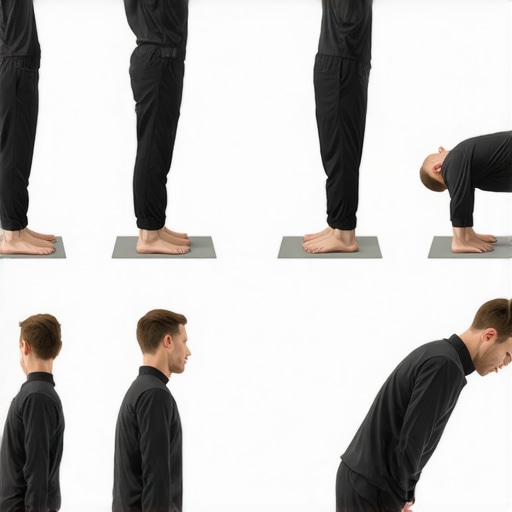
Ever had that moment during a workout or stretch where your neck suddenly tightens up, or worse, an inexplicable headache takes over? I used to brush it off—thinking it was just part of getting older or overdoing it. Until one day, I felt a sharp sting in my neck after doing what I thought were harmless exercises. That lightbulb moment led me down a rabbit hole of discovering that some common moves could be silently sabotaging my neck alignment, making pain and stiffness worse.
The Hidden Culprits Inside Your Workout Routine
Over the years, I’ve realized that not every exercise is beneficial for my neck or spine—some are actually doing more harm than good. Certain movements, especially when done without proper form or awareness, can reinforce poor posture, strain delicate muscles, and misalign our necks over time. The irony is, these exercises often seem innocuous or even recommended by trainers or videos, which makes it tricky for most of us to spot the danger lurking within our routines.
Could Your Favorite Moves Be Causing More Harm Than Good?
In my own experience, I found that doing repetitive neck stretches or exercises that involve looking down or forward for extended periods contributed to increased discomfort. The key is understanding how our body adapts and reacts—sometimes in ways that silently undermine posture and cause chronic pain. You might be surprised to learn that some common exercises can worsen your neck alignment if not done correctly. Want to uncover which moves to be cautious about? Check out this guide on proven techniques to improve neck mobility for safe practices.
Early on, I made the mistake of ignoring small cues—like slight discomfort or tension—that accumulated over time. It wasn’t until I paid closer attention and adjusted my approach that I started seeing real relief. If you’ve been battling neck tension or persistent discomfort, you’re not alone. Many exercises that are touted as beneficial might actually be contributing to your woes if performed improperly or without awareness. Let’s explore how to identify and modify these movements for better alignment and lasting relief—because no exercise should come at the expense of your neck health.
Start By Assessing Your Daily Movements
Recall a time when I accidentally aggravated my neck during a simple stretch. I credited it to poor form, which I corrected by paying close attention to my body’s signals. To replicate this, stand in front of a mirror and perform a basic neck tilt or shoulder roll, observing your posture and movement quality. Notice if any part feels strained or misaligned. Use this as a baseline to identify which exercises or habits may be contributing to your discomfort.
Master Proper Technique for Every Exercise
Think of your body as a complex machine that needs precise assembly; wrong movements can cause long-term damage. For example, during neck stretches, avoid jutting your chin forward or pulling your head aggressively. Instead, gently tilt your head side to side or rotate softly, maintaining a neutral spine. When I practiced this consciously, I observed significant reductions in tension. For guidance, check out techniques to promote proper neck movement.
Incorporate Controlled Breathing
Breathing is a vital component often overlooked. When I started focusing on deep, diaphragmatic breaths during exercises, my muscle tension decreased noticeably. To do this, inhale slowly through your nose, allowing your belly to rise, then exhale gently. This habit promotes relaxation and helps your muscles respond better to safe movement practices. Remember, controlled breathing can double as a tool to prevent overexertion while reinforcing posture awareness.
Adjust Exercises Based on Your Body’s Feedback
Imagine your spine as a flexible but delicate bridge—every movement adds or subtracts tension depending on how carefully you execute it. During workout sessions, I learned to listen to slight discomfort cues—ignoring them only worsened my issues. Start by performing small, controlled motions, such as gentle neck circles or pelvic tilts, and stop if you feel sharp pain. Use modifications, like reducing range or duration, to stay in safe zones until your strength and mobility improve.
Prioritize Mobility Over Intensity
Not every workout needs to be high-impact or deep stretches. Sometimes, slow, deliberate movements yield better results. For instance, instead of rushing through vigorous neck stretches, I began incorporating simple mobility exercises designed to gently enhance range of motion without strain. Consistency in these lower-impact movements strengthens tissues gradually, reducing the risk of strain.
Integrate Posture Checks into Daily Routine
Your posture throughout the day affects exercise safety and overall neck health. Set reminders to reset your alignment—think of it as resetting a stubborn device before use. While working at your desk, ensure your monitor is at eye level, and your shoulders are relaxed. During a break, perform quick neck or shoulder rolls. These habit changes reinforce the correct alignment and decrease the likelihood of exercises undoing your posture improvements.
Use Supportive Equipment When Necessary
Support can make a significant difference. I found that using ergonomic cushions or supportive pillows during stretches or rest periods helped maintain neutral positions, especially if I was prone to slouching. Proper equipment acts like training wheels, guiding your muscles into safe patterns. Visit this resource for tips on selecting and positioning supportive gear effectively.
Keep Moving with Mindful Awareness
Finally, movement should be gentle yet purposeful. During exercises, I adopted a mindset of mindfulness—focusing on how each muscle feels and ensuring no part overworks. This approach made me more aware of subtle tension points, allowing immediate correction. Incorporate slow, controlled movements like chin tucks or shoulder blade squeezes, paying attention to your body’s responses. Consistent mindful practice helps cement safe movement habits and protect your neck and back in the long run.
Most people believe that managing back, neck pain, and sciatica is simply about stretching more or strengthening certain muscles. However, this oversimplification overlooks nuanced factors that often lead us astray. One common myth is the idea that pain directly correlates with the severity of injury. In reality, pain perception is complex and can persist long after the initial injury has healed, leading to unnecessary treatments or neglecting the root cause. Recognizing this disconnect is crucial for a targeted approach to recovery.
Another misconception is that adopting a rigid posture guarantees protection. While good posture is beneficial, excessive rigidity can cause muscle tension and restrict natural movement, exacerbating discomfort. Flexibility and mobility work, when done correctly, can release built-up tension and improve overall function. For instance, incorporating simple mobility exercises can be transformative in restoring healthy movement patterns.
What advanced factors are often overlooked in back and neck pain management?
Stress and emotional tension play an underestimated role in musculoskeletal issues. Chronic stress induces muscle tightness, particularly around the neck and shoulders, which can aggravate existing pain or create new discomfort. A study published in the Journal of Bodywork & Movement Therapies highlights that stress management techniques, like mindfulness and breathing exercises, significantly reduce muscle tension and improve pain outcomes. Integrating these into your routine is a powerful step toward comprehensive healing.
Moreover, underlying movement dysfunctions, such as asymmetrical loading due to limb dominance or habitual poor ergonomics, often go unnoticed. These subtle imbalances can lead to compensatory patterns that stress the spine over time. Addressing these requires a detailed assessment and tailored interventions. For instance, working on postural corrections and functional movement training can prevent recurrent pain.
Beware the trap of over-reliance on passive treatments like passive stretching or static modalities. While helpful as part of a broader plan, they can foster dependence and delay active recovery. Emphasizing active engagement through controlled mobility drills and strength work ensures lasting results. Incorporate practices like mobility-focused exercises designed to restore joint function.
In summary, truly effective pain management considers these nuanced aspects: psychological factors, subtle movement patterns, and active functional training. Recognizing and correcting these often hidden pitfalls is where true progress begins. Have you ever fallen into this trap? Let me know in the comments, and stay vigilant on your journey toward pain-free living.Maintaining a healthy back and neck requires more than just occasional stretches; it involves using the right tools and routines to support your progress over time. One device I personally rely on is a tennis ball for self-myofascial release. I use it daily to target tight spots in my glutes and along my spine, which helps prevent muscle knots that can exacerbate pain. This simple, affordable tool allows for precise targeting of trigger points, promoting improved mobility and reduced discomfort. For those preferring digital solutions, apps like Mobility Mastery offer guided routines tailored to your specific needs, making daily maintenance both manageable and personalized. Regular use of these tools ensures you’re proactively addressing tightness and misalignments before they develop into chronic issues, aligning with trends toward self-managed care and wearable tech. Looking ahead, integrating smart sensors or AI-driven posture monitors could further personalize your maintenance routines, providing real-time feedback to optimize your health.
How do I keep my mobility and posture habits sustainable over time?
Consistency is key—set aside a few minutes each day for targeted exercises and self-care tools. Incorporate gentle mobility drills, like simple back mobility exercises, into your routine to maintain flexibility. Pair these with ergonomic adjustments at your workspace, such as ensuring your monitor is at eye level, to reinforce good posture habits. Over time, these small, intentional actions compound, creating a resilient foundation that preserves mobility and reduces pain risk. Remember, the key isn’t just in the tools you choose but in integrating them seamlessly into your lifestyle for sustainability.
Throughout my journey dealing with neck and back pain, one thing became painfully clear: the lessons taught by common advice and superficial solutions often mask the deeper truths about our bodies. Embracing these insights transformed my approach from reactive to proactive, leading to lasting relief.
3 Lessons I Had to Unlearn to Truly Heal
- It’s not just about stretching more: I used to think frequent stretching was the magic fix, but I realized that improper or overdoing stretches can reinforce misalignments. Instead, focusing on controlled mobility and strengthening stabilizers yielded better results.
- Pain isn’t always a sign of damage: Persistent discomfort often masked underlying movement patterns or emotional tension. Recognizing this helped me avoid unnecessary treatments and target root causes effectively.
- Posture alone isn’t the answer: Rigidly forcing perfect posture can lead to muscle tension. Flexibility and mindful movement are equally vital for resilience and comfort.
Tools That Changed My Perspective on Neck and Back Care
- Mobility exercises— Simple routines that nourish your joints and muscles, preventing stiffening and promoting freedom of movement.
- Posture assessments— Regularly analyzing my habits to identify habits that cause strain, and learning how ergonomic adjustments can support healthier movement patterns.
- Neck relaxation tactics— Techniques that release emotional and muscular tension, transforming how I approach everyday stress and physical discomfort.
Take Your Next Step Toward Freedom of Movement
Trust me, the journey toward pain-free living isn’t about quick fixes—it’s about embracing a mindset of mindful movement and continuous learning. Small daily practices, like mindful breathing or ergonomic tweaks, compound over time into a resilient, pain-resistant body. If you’re ready to change your approach, start today by paying close attention to how your body responds during movement, and don’t hesitate to explore the tools and routines that foster lasting mobility. Remember, progress is a path, not a destination.
What’s one misconception about back or neck pain that you used to believe? Share your experience below and let’s support each other on this journey to better health.
,