
Why You Should Stop Doing Crunches for Back Health
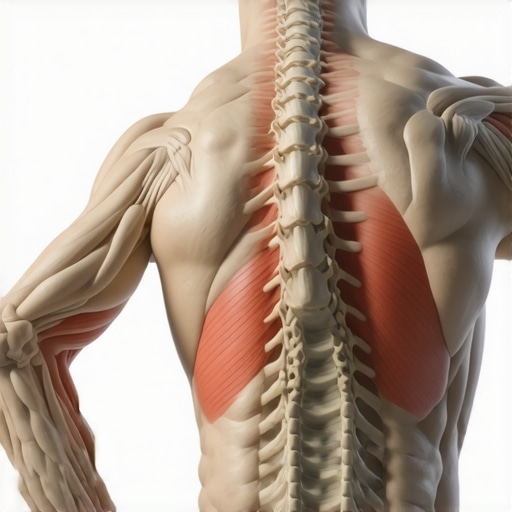
It was a morning like any other, and I was crunched over my workout mat, feeling a familiar tug in my lower back. I had been told for years that crunches were the secret to a flat stomach and a healthy core. But that day, I felt something I couldn’t ignore—the sharp, persistent pain that made me question everything I thought I knew about exercise and back health. After pushing through, I realized I needed to rethink my approach.
Breaking the Habit: Why Crunches Might Be Doing More Harm Than Good
Many of us, including myself early on, fell into the trap of believing that crunches are essential for strengthening our core. However, what often goes unnoticed is how these sit-up-like movements can exert excessive strain on the lumbar spine, especially if performed improperly or in excess. It turns out that emphasizing crunches might actually be counterproductive when it comes to back health. Instead of supporting our spine, they can contribute to poor posture, muscle imbalances, and even exacerbate existing back issues.
Research indicates that repetitive spinal flexion—like that done during crunches—may accelerate disc degeneration in some individuals (Source: Spine Journal, 2019). That’s a shocking truth for anyone trying to improve their fitness without realizing the hidden risks.
If you’ve ever experienced nagging back pain after your workout or noticed your posture worsening over time, you’re not alone. I made the mistake of ignoring that discomfort, thinking it was just ‘part of aging.’ But ignoring these signs can lead to more serious issues down the line. That’s why understanding what not to do is just as important as knowing what to do.
In this article, I’m going to share the real reasons why ditching crunches might be the best decision for your back, along with practical, safe alternatives to strengthen your core and improve mobility. Whether you’re battling nagging pain, dealing with sciatic discomfort, or simply want to move more freely, these tips can help you navigate a healthier, pain-free path.
Ready to let go of the misconception that crunches are the answer? Let’s explore why your back and your body will thank you for making smarter choices. If you’ve faced frustration with persistent aches or confusion about safe exercises, keep reading. I’ll guide you through expert strategies designed to promote lasting relief and mobility.
Start with Gentle Breathing Techniques
In my own journey, I found that controlling my breath was the first step toward easing back tension. Sit or lie down comfortably, inhale deeply through your nose, expanding your diaphragm, then exhale slowly through your mouth. Repeat this process for 2 minutes, focusing on relaxing your lower back muscles. This action reduces internal pressure on your discs and soft tissues, making subsequent exercises more effective. Practice this daily to train your nervous system to activate relaxation instead of tension.
Implement Controlled Spinal Movements
Instead of traditional crunches, try gentle spinal articulations. Place your hands behind your head, lie on your back, and slowly tilt your pelvis to flatten your lower back against the floor, then arch it gently away. Think of your spine like a rolling wave—moving segment by segment. This movement improves flexibility and encourages proper alignment. During my trial, I committed to 10 repetitions daily, which loosened my lumbar area and reduced stiffness significantly. Focus on slow, controlled motion to avoid aggravating existing pain.
Incorporate Hip and Pelvic Releases
Tight hip flexors often pull the pelvis forward, increasing lumbar strain. Use a tennis ball or foam roller on your hip flexors and glutes—think of releasing stubborn knots that tug on your lower back. Lie on your stomach, place the ball under your hip, and roll gently, holding pressure on tender spots. I added this to my routine after noticing persistent tightness; within a week, I felt a noticeable decrease in back discomfort. Aim for 2-3 minutes per side, ensuring you breathe steadily and avoid squeezing muscles excessively.
Practice Postural Awareness
Resting posture significantly impacts back health. Imagine your spine as a chain, with your head balanced directly over your shoulders. When using screens, position your monitor at eye level, and keep your feet flat on the floor. Regularly check your shoulders for hunching; shoulder blades should be relaxed and pulled slightly down. During an office shift, I set reminders every 20 minutes to adjust my posture, which prevented my usual slumping and helped maintain spinal integrity throughout the day. Consistent awareness prevents habitual poor alignment.
Progress with Gentle Strengthening Exercises
Once mobility improves, build core stability with exercises like bird-dogs and pelvic tilts. For bird-dogs, start on all fours, then extend your opposite arm and leg, keeping your hips level and avoiding arching your back. Think of your spine as a bridge that needs steady support, not flexion or collapse. I struggled initially with balancing, wobbling side to side, but persistence strengthened my stabilizers and reduced recurrent aches. Perform 10 repetitions slowly, emphasizing control and smooth movement.
Combine Consistency with Patience
Results are not instantaneous. I dedicated 15 minutes each morning to this routine, gradually increasing intensity and variety as my mobility improved. Remember, your nervous system needs time to adapt; rushing can cause setbacks. Track your progress by noting pain levels and mobility milestones, which kept me motivated and aware of improvements over weeks. Small, daily steps outweigh sporadic intense workouts, especially when healing back issues.
Many assume that mobility exercises are primarily about stretching and increasing range of motion, but the truth is far more nuanced. A common myth is that stiffness is always the culprit behind pain; however, sometimes attempting to force mobility can worsen underlying issues, especially if inflammatory or neurological factors are involved. For example, pushing into deep stretches without addressing foundational stability can destabilize the spine and aggravate conditions like disc herniations or nerve impingements. One overlooked nuance is the importance of differentiating between mobility and stability. According to a study in the Journal of Orthopaedic & Sports Physical Therapy, focusing solely on mobility without strengthening stabilizers can lead to instability and injury—this is a trap many fall into (source: https://bodyrenewtherapy.com/unlocking-mobility-expert-tips-on-managing-back-pain-in-2025). Consider the tendency to perform aggressive foam rolling on tight muscles, believing it will release fascia and improve movement, but excessive mobilization can cause microtrauma and increase pain if not properly balanced with strengthening. An advanced mistake is neglecting the role of neural control in movement patterns; restrictions often stem from altered motor control rather than mechanical limitations alone. Addressing this requires nuanced assessments that go beyond basic stretching routines. Have you ever fallen into this trap? Let me know in the comments. Recognizing that effective mobility work involves targeted, controlled movements that strengthen stability alongside flexibility is vital. Incorporating strategies like gentle spinal articulations, proper breathing, and posture correction creates a safer and more effective approach. For personalized guidance, consider consulting experts regularly. You can learn more about unlocking safe mobility techniques at https://bodyrenewtherapy.com/unlocking-mobility-expert-tips-on-managing-back-pain-in-2025 or contact us for tailored assessments via https://bodyrenewtherapy.com/contact-us. Remember, rushing or overdoing can do more harm than good, so patience and precision are your best tools for lasting relief.Maintaining your back’s health over the long term requires the right tools and consistent practices. Personally, I rely heavily on foam rollers and massage balls to release muscle tightness and improve tissue flexibility. For example, a tennis ball is my go-to for targeting stubborn knots in my glutes and hip flexors, which directly impacts my lower back comfort. Using a foam roller on my thoracic spine helps prevent stiffness caused by sitting all day, ensuring my mobility stays optimal.
Alongside physical tools, I utilize strengthening software like PhysiApp, which provides tailored exercises and tracks my progress. These platforms keep me accountable and ensure I’m performing movements correctly, preventing setbacks. For mobility, I follow expert programs found at this resource that emphasizes controlled, stability-focused movements over aggressive stretching. This approach aligns with emerging research highlighting the importance of neural control alongside flexibility, especially for those dealing with sciatic or disc issues.
How do I maintain mobility and strength over time?
Incorporating regular self-massage routines, targeted strengthening, and mindful posture habits creates a sustainable cycle of health. I schedule short, daily mobility drills using tools like resistance bands and stability balls, which improve joint fluidity and muscular balance. These methods not only enhance physical function but also foster confidence in moving pain-free, essential for aging gracefully and preventing chronic issues.
Looking toward the future, I predict a greater integration of smart wearable devices that monitor posture and muscle activity, providing real-time feedback to correct habits before pain develops. Emerging AI-driven apps may customize routines based on individual biometrics, taking personalization to the next level. This tech evolution means we’ll have more proactive management tools, making long-term back health more achievable than ever.
If you’re wondering how to incorporate these tools into your routine, I recommend starting with a foam roller for gentle tissue mobilization and a posture-tracking app to increase awareness during daily activities. Remember, maintaining your back’s health is a continuous effort that rewards patience and consistency. Don’t hesitate to consult with professionals if you notice persistent discomfort; early intervention can prevent more serious issues down the line. For expert guidance tailored to your needs, visit this contact page. Take the first step today—your future self will thank you.
Unspoken Truths That Changed My Approach to Back Health
One quiet realization hit me hard—the importance of listening to my body when it sends warning signs, rather than dismissing discomfort as minor. That vulnerable moment taught me to prioritize gentle, controlled movements over aggressive routines. Moreover, I discovered that patience—allowing my body to adapt steadily—is the secret to lasting relief, not quick fixes or shortcuts. Lastly, I learned that true mobility isn’t just about flexibility but about building resilient stability through mindful practice over time.
Tools That Made the Difference for My Back Journey
Always skeptic of one-size-fits-all solutions, I found immense value in specific resources tailored for back pain and mobility. This expert guide became my go-to for understanding controlled, safe movement techniques. I also rely on a versatile foam roller, which I trust for releasing tight tissues, and neck and back relief exercises that are approachable yet effective. For tracking progress, apps like PhysiApp keep me accountable and ensure proper form, preventing setbacks.
Embrace Your Path Toward Pain-Free Living
You have the power to transform your back health and regain joyful movement. Every small step—be it mindful stretching, posture awareness, or consistent mobility practices—paves the way for a stronger, more flexible back. Remember, setbacks are just lessons in disguise; persistence and patience will reward you with comfort and confidence. It’s never too late to start, and your future self will thank you for making these mindful choices today. Ready to take that first step? Your mobility and well-being are worth it!