
Why Your Ergonomic Chair is Still Giving You Backaches
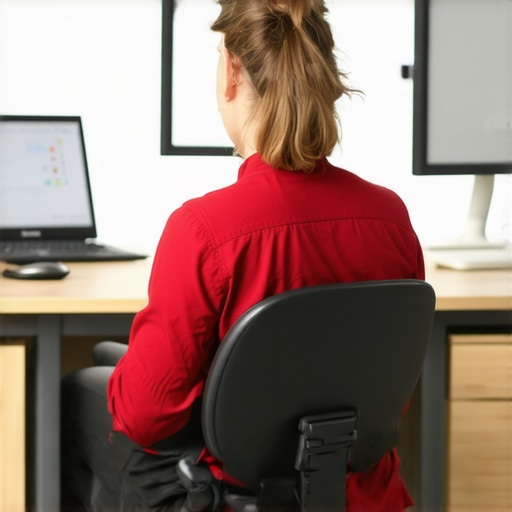
I remember the exact moment I realized my fancy ergonomic chair wasn’t the miracle solution I’d hoped for. After months of feeling relief initially, those nagging backaches slowly crept back, worse than ever. It was frustrating—despite investing in what was supposed to be the gold standard for sitting comfort, my lower back still protested loudly every evening.
That lightbulb moment made me dig deeper. As it turns out, your chair might be just one piece of the puzzle. If your back still aches despite using what you thought was the perfect ergonomic setup, you’re not alone. This post will explore why your chair isn’t working miracles and what steps you can take to actually protect and strengthen your back.
Why Is Your Ergonomic Chair Not Enough?
Many assume that a well-designed chair guarantees spine health. However, the truth is, chairs are meant to support—not replace—the need for good posture habits and active mobility. When I first got my ergonomic chair, I made a costly mistake: I sat for hours without taking breaks, assuming the chair was doing all the work for me. This misstep is a common trap—believing that better equipment alone can fix prolonged sitting issues.
Studies show that static sitting, even in supportive chairs, can lead to muscular imbalances and joint stiffness over time, contributing to chronic back pain. That’s why experts emphasize the importance of movement and posture awareness alongside ergonomic tools. If you’re eager to break free from the cycle of discomfort, I recommend exploring innovative ways to mobilize your spine and strengthen your core, which can alleviate long-term back issues. For practical tips, check out [this article on back mobility exercises](https://bodyrenewtherapy.com/boost-your-back-mobility-simple-exercises-that-make-a-difference).
Is Back Pain in an Ergonomic Chair Actually Worth the Hype?
A common skepticism I faced early on was whether all the fuss about ergonomic chairs was just marketing hype. I used to think they were a magic fix—until I realized that focusing solely on the chair is like blaming your shoes for a bad run when you’re ignoring your stride and posture.
One mistake I made was neglecting regular movement; sitting for long stretches—even in a top-tier chair—still strains the back. Now, I incorporate simple mobility routines into my day, which makes a huge difference. This approach not only reduces immediate discomfort but also builds resilience over time.
If you’re curious about effective strategies to combat persistent back pain, consider starting with small, daily mobility practices. These can be as straightforward as dynamic stretches or nerve glides—techniques that can be found [here](https://bodyrenewtherapy.com/enhance-your-back-mobility-ergonomic-tips-for-everyday-comfort). Remember, no chair can replace the benefits of an active, mindful approach to your spinal health.
Are you currently facing persistent back aches despite your ergonomic setup? If so, stay tuned—next, I’ll share practical steps that have truly changed my relationship with sitting.
Start Moving with Purpose
It’s tempting to think that just sitting less is enough, but targeted movement has a direct impact on back health. I remember once during a hectic workday, I set a timer to remind me to stand, stretch, and mobilize my spine every 30 minutes. The first few attempts were awkward—fidgeting, stretching in tight spaces—but over a week, I noticed a decrease in stiffness and pain. Try implementing this by setting alarms or using a dedicated app to prompt regular movement cycles.
Incorporate Dynamic Stretches
Dynamic stretching warms up your muscles and joints, making them more resilient. For example, performing shoulder rolls, gentle torso twists, or hip circles every hour can prevent muscular imbalances. I dedicated a morning to practicing a series of these stretches, focusing on fluid movements. That day, I felt more alert and less achy by afternoon, reinforcing how small, consistent efforts pay off. Use resources like this guide for routines suited for busy schedules.
Enhance Your Posture Actively
Instead of passively relying on your chair, actively correct your posture throughout the day. Think of your spine as a flexible rod that needs gentle support, not stiffening or constant tension. I set up a simple routine—every 15 minutes, I check and reset my alignment. For neck comfort, I practiced chin tucks; for lower back, gentle pelvic tilts. These quick corrections shifted my awareness from reactive pain to proactive prevention. For more detailed techniques, explore this article.
Leverage Core Stability Exercises
Your core acts as the house’s foundation—weak foundations lead to cracks. I started doing core exercises like dead bugs and plank variations, focusing on controlled breathing and engagement. Initially, it felt uncoordinated—my limbs moved at different paces, and I wobbled a lot. But persistence led to a more stable core, which translated into reduced back discomfort. Dedicate 5-10 minutes daily to core work; consistency beats intensity. Check out this resource for effective moves.
Use Dynamic Nerve Glides for Tightness
Sciatic and nerve tightness can mimic or worsen back pain. I experimented with nerve glides, gently oscillating my legs and arms to mobilize nerves without provoking pain. One afternoon, after doing a few gentle nerve glide exercises, I felt a noticeable decrease in leg numbness. Integrate these into your routine slowly, paying attention to your body’s responses. Remember, gentle is better than forceful for nerve mobilization.
Boost Your Mobility for Longer-Term Relief
Mobility is the key to resilient, pain-free movement. I dedicated 15 minutes daily to mobility drills—hip openers, spinal twists, and shoulder stretches. Initially, some exercises felt uncomfortable, especially in tight areas, but over time, they became easier and more natural. Making mobility a daily habit ensures your spine stays flexible and less prone to injury or pain flare-ups.

Many individuals naturally assume that back pain, neck discomfort, or sciatica results from straightforward issues like poor posture or muscle strain. However, this oversimplification often blindsides us to nuanced, underlying mechanisms that are vital for effective relief. Let’s challenge some common myths and uncover the overlooked aspects that could be sabotaging your progress.
Why Pain Is Not Always a Sign of Damage
A prevailing misconception is that pain always indicates tissue injury. But research by neuroscientists like Lorimer Moseley reveals that pain is a complex perception shaped by the nervous system’s interpretation of danger rather than direct tissue damage. This means persistent back or neck pain may sometimes persist even after injured tissues heal, due to maladaptive neural pathways. Recognizing this helps prevent the trap of endless stretching or icing without addressing nerve sensitivity or central sensitization, as explained in this article on neural plasticity.
Advanced Mistake: Overemphasizing Flexibility at the Expense of Stability
It’s common to believe that tight muscles, like hamstrings or psoas, are the root causes of back issues. While flexibility matters, over-stretching can lead to joint instability, especially if you neglect strengthening surrounding muscles. For instance, excessive hamstring stretching, without proper core engagement, might destabilize your pelvis, worsening sciatica symptoms. The key is a balanced approach, integrating mobility exercises with stability training. An effective example of this is incorporating mobility drills combined with strength routines that focus on the deep core muscles.
Beware the Myth of Quick Fixes
Another trap is seeking instant cures—be it magic supplements, gadgets, or aggressive therapies—that promise overnight relief. But advanced pain patterns often involve deep neurological and musculoskeletal factors that demand patience and strategic intervention. For example, nerve glides and targeted movements can gradually desensitize the nervous system, but they require consistent, mindful practice. Remember, sustainable relief comes from addressing the root causes, not just symptoms. Check out this guide on nerve mobilization for insight.
Why Embracing Movement is More Complex Than You Think
Many believe that simply moving more relieves pain. But the timing, type, and quality of movement greatly influence outcomes. For example, high-impact or overly aggressive stretches may aggravate nerves or joints, especially if performed without proper preparation. Instead, focus on controlled, deliberate mobility that respects your body’s signals. Incorporating lessons from advanced mobility practices can optimize your recovery journey.
In summary, understanding that pain involves neural processing, balancing mobility with stability, and adopting cautious, strategic movement is crucial. These nuances often get overlooked, but they hold the key to truly effective, lasting relief. Have you ever fallen into this trap? Let me know in the comments.
Maintaining your back health requires the right combination of equipment, techniques, and habits. I personally rely on specific tools that integrate seamlessly into my daily routine, enabling me to sustain mobility and reduce pain over time. One such essential is a high-quality foam roller, which I use daily to release muscle tension along my thoracic and lumbar regions. By targeting my fascia regularly with a dense, durable roller, I prevent stiffness and improve my overall spinal flexibility. For detailed guidance on effective foam rolling, check out this resource.
Another tool I swear by is a resistance band set tailored for mobility and stability exercises. These bands allow me to perform gentle shoulder, hip, and core strengthening routines that support long-term spinal integrity. Since incorporating resistance bands into my workouts, I’ve noticed a significant reduction in sciatica flare-ups and improved neck mobility. I recommend choosing medium resistance bands with reinforced handles for durability and comfort.
For tracking progress and ensuring consistency, I use specialized software like a posture correction app that provides real-time feedback on my sitting and standing alignment throughout the day. These digital tools help me develop subconscious awareness of my posture, which is crucial for preventing recurring issues.
Looking ahead, I predict that smart wearable tech with biofeedback capabilities will become central to long-term back health. Devices that monitor muscle activity, posture, and even nerve tension in real-time could offer personalized alerts to correct misalignments before discomfort arises.
How do I maintain mobility and pain-free movement day-to-day? The key is a disciplined routine that combines active exercises, targeted tools, and mindful habits. For example, scheduling brief mobility sessions every hour using techniques like nerve glides or pelvic tilts can dramatically reduce stiffness. Try incorporating one of these tips daily—like a quick foam rolling session or a posture check via your device—and see how your body responds. Small, consistent actions build resilience and make managing back health effortless over the long term.
What I Wish I Knew About Movement and Pain
One of the most eye-opening lessons I learned is that pain rarely equals damage. Persistent discomfort often stems from neural sensitization or postural habits, not just tissue injury. Realizing this shifted my approach from relentless stretching to gentle mobility and neural desensitization, making recovery more sustainable and less frustrating.
Why Balance Beats Biceps in Back Health
Initially, I believed strengthening was the only answer. But I found that integrating mobility, stability, and neural health created a harmonious system that truly protected my spine. Exercises like deep core work, combined with nerve gliding techniques, proved far more effective than just doing back bridges or crunches.
The Power of Small, Consistent Changes
Daily habits matter immensely. Incorporating brief movement snacks every hour, mindful posture checks, and targeted stretches transformed my back health over months. These tiny adjustments were game-changers, reinforcing the importance of patience and consistency on the journey to pain-free mobility.
Mindset Shifts That Accelerated My Recovery
Embracing curiosity rather than frustration created space for experimentation and learning. It helped me view setbacks as part of the process. This mindset made me more willing to try new techniques like nerve glides and stability drills, which ultimately led to lasting relief. Remember, your outlook can be as impactful as the exercises you choose.
My Go-To Resources for Ongoing Support
Whenever I hit a plateau, trusted resources like this mobility guide or neural health insights kept me grounded. They offered practical strategies rooted in science, which I’ve integrated into my routine for long-term resilience.
Keep Moving Forward with Confidence
If you’re battling back or neck pain, remember that progress often comes from small, informed steps rather than giant leaps. Your body is resilient, and with mindful adjustments, the right tools, and a compassionate mindset, you can reclaim your mobility and comfort. Don’t be discouraged—every step forward counts.