
How to Build a Spine That Can Handle Heavy Manual Labor Safely
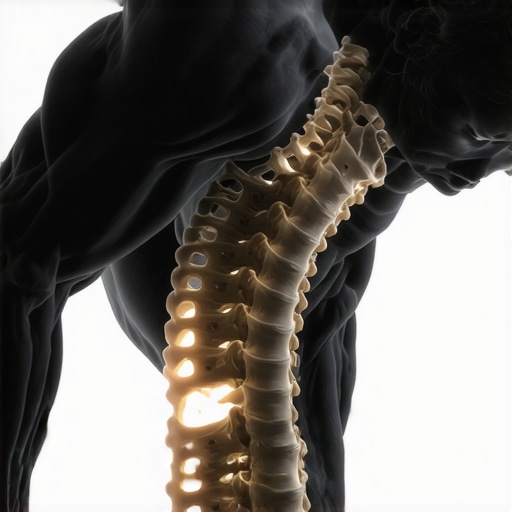
I remember the moment clearly. I was lifting a heavy box during a weekend project, feeling confident that my back was ready for the challenge. Suddenly, a sharp pain shot through my lower back, forcing me to sit down and reevaluate everything. That lightbulb moment made me realize I had been neglecting a crucial aspect: building a resilient spine capable of handling heavy manual labor without sacrificing my health.
Why Protecting Your Spine Matters More Than Ever
In our physically demanding world, many of us push our bodies beyond their limits without realizing the long-term damage we’re causing. A strong, well-constructed spine isn’t just about avoiding immediate pain; it’s about ensuring your ability to work, lift, and move confidently for years to come. Did you know that faulty lifting techniques and poor posture are among the leading causes of chronic back issues? According to the World Health Organization, back pain is one of the top contributors to disability worldwide.
Have You Faced This Frustration?
If you’ve ever struggled with back tightness after a day’s work or worried about your heavy lifting approach, you’re not alone. Early in my journey, I made a classic mistake — trying to strengthen my core without addressing the quality of my spinal foundation. That oversight delayed my progress and, frankly, made things worse. I learned that without understanding how to build a spine that withstands heavy loads, all the abs in the world won’t prevent injury.
What We’ll Cover Today
Stay with me, because we’re about to dive into practical, experience-backed strategies to fortify your spine. From mobility drills to ergonomic tweaks, you’ll discover how to approach heavy manual tasks with confidence and safety. Ready to protect what keeps you moving? Let’s get started.
Perfect Your Mobility Before Heavy Lifts
Start each lifting session with targeted mobility drills. I personally incorporate a daily routine from Mobility Mastery tips to keep my spine limber. A quick 5-minute warm-up with gentle trunk rotations, hip circles, and shoulder rolls prepares your joints and muscles, reducing injury risk. Remember, mobility isn’t just about flexibility; it’s about ensuring your joints move smoothly and without restriction.
Master the Hip-Hinge Technique
Think of lifting as a hinge movement—key to protecting your lower back. I once tried to lift a heavy box by bending with my back, and I felt the immediate strain. After learning the hip-hinge from The Hip Reset, I started bending at the hips, keeping my back flat and engaging my glutes. This technique distributes load evenly across your hips and hamstrings, shielding your lower back from undue stress.
Strengthen Your Core with Stability
Core strength is often overemphasized as abs-only, but functional stability is what matters. Instead of crunches, focus on planks and bird-dogs that activate deep stabilizers. I experimented with a simple core stabilization exercise, holding each position for 30 seconds. This built resilience in my spinal muscles, making lifting less intimidating and more controlled.
Optimize Your Lifting Posture
Appropriate posture during lifting is critical. Keep your back flat, core engaged, and lift with your legs, not your waist. I once strained my lower back because I tried to lift a heavy box with a rounded spine—an all-too-common mistake. To prevent this, practice the proper lifting technique—bend your hips and knees, keep the load close, and lift with your legs while maintaining a neutral spine. It’s like using a lever instead of brute force.
Incorporate Spinal Decompression Strategies
Spinal decompression helps create space between vertebrae, reducing pressure and pain. I found that executing short wall mobility drills daily improved my posture and eased lumbar tension. Lying on a foam roller or gently hanging from a pull-up bar can also assist. Always listen to your body—if a maneuver causes pain, stop immediately.
Embrace Consistency with Restorative Practices
Finally, recovery is crucial. Regularly applying back mobility exercises and stretching routines keeps your spine resilient. I made a point to dedicate 10 minutes daily to gentle stretches, which over time significantly decreased my injury frequency and improved my lifting capacity. Remember, building a strong spine is a marathon, not a sprint—consistent, mindful practice pays off in the long run.Many individuals assume that stretching or doing simple mobility exercises are enough to resolve serious pain issues like sciatica or chronic neck pain. However, this oversimplification often leads to ineffective treatments and lingering discomfort. For example, a common myth is that mobility drills alone can fix nerve impingements, but in reality, addressing underlying posture and movement patterns is crucial, as highlighted in studies demonstrating the importance of comprehensive mobility strategies for lasting relief. One trap to avoid is focusing solely on symptomatic stretching without improving joint stability and movement mechanics—this can exacerbate issues over time.
Why do some mobility routines worsen pain instead of helping it?
Often, people perform stretches or exercises that are mismatched to their specific dysfunctions. For instance, forcing hamstring stretches when the root cause is pelvic instability can increase strain on the lower back, prolonging recovery. According to expert clinician Dr. Stuart McGill, understanding the interconnectedness of spine stability and mobility is essential for safe, effective treatment. It’s vital to evaluate the quality of movement before jumping into routines; otherwise, you risk reinforcing poor postural habits or provoking nerve irritation. 
Focusing only on mobility without correcting posture and strength imbalances is a common mistake. For example, tight hip flexors often get blamed, but the root cause may be weak glutes or poor core control that perpetuate improper movement patterns, increasing pain risk. To truly improve, integrate mobility with stability exercises and ergonomic adjustments—something I personally learned through experience and expert guidance. Learn more about how posture impacts back health and how to address these nuanced factors effectively. Remember, pain management isn’t just about quick fixes; it requires a tailored, holistic approach. Have you ever fallen into this trap? Let me know in the comments.Maintaining a resilient, pain-free spine over time requires not just good habits but also the right tools to support your efforts. I’ve personally found that integrating specific equipment and software into my routine has made a significant difference in sustaining my mobility and preventing setbacks. For example, I rely heavily on a high-quality foam roller, like the [TriggerPoint GRID Foam Roller](https://bodyrenewtherapy.com/the-deep-glute-stretch-that-actually-works-for-piriformis-syndrome), which I use daily to release tension in my glutes and lower back. Its textured surface helps target knots precisely where I need it. Additionally, investing in a sturdy lumbar support pillow for my chair has been a game-changer for my posture during long work hours. I recommend the [Everlasting Comfort Lumbar Pillow](https://bodyrenewtherapy.com/the-nerve-glide-exercise-every-sciatica-sufferer-should-know) because it conforms to my lumbar curve, promoting proper alignment and reducing strain. On the software side, I use posture reminder apps like *Upright GO* that gently alert me when I slouch, helping me develop awareness and reinforce good habits. As technology advances, I believe we’ll see more AI-driven tools that analyze movement patterns in real-time, offering personalized corrections to prevent injury before it happens. To stay ahead, I suggest trying the [30-second mobility check](https://bodyrenewtherapy.com/the-30-second-mobility-check-everyone-over-40-should-do) regularly, ensuring that your spine remains flexible and resilient. Remember, consistent use of these tools amplifies your efforts and paves the way for lasting results. How do I maintain my mobility tools over time? I regularly clean my foam roller with disinfectant sprays to prevent bacteria buildup and replace it every 6 to 12 months, depending on usage. For tech devices, I keep software updated and replace batteries when needed. Staying mindful of maintenance ensures your investments continue to support your spine health effectively. Take this tip—try integrating a foam roller session this week paired with a posture reminder app—and notice how your mobility and comfort improve. Combining these practical tools with proper technique and consistent practice will help you stay moving confidently for years to come.
3 Lessons I Didn’t Expect About Building Spinal Resilience
- Patience Trumps Quick Fixes: I learned that improving spine health isn’t about instant results but consistent effort over months. Quick routines rarely fix deep issues; long-term habits make the difference.
- Ergonomics Alone Aren’t Enough: Investing in an ergonomic chair helped, but without proper movement and mobility drills, pain persisted. True resilience combines good equipment with active body management.
- Listening to Your Body Is Key: Ignoring early warning signs led to setbacks. Developing awareness of subtle discomforts allowed me to adjust before problems worsened, saving time and pain.
- Balance is Always the Goal: Focusing solely on core strength without addressing mobility or posture created imbalance. A holistic approach — strength, flexibility, and good habits — proved essential.
- Recovery Is Active and Ongoing: Rest and mobility exercises are just as important as lifting. Consistent recovery practices sustain spine health and prevent future injuries.
Tools That Transformed My Approach to Back Health
My essential toolkit includes a high-quality foam roller like the TriggerPoint GRID Foam Roller. It helps release tension in key areas, especially after heavy lifting or prolonged sitting. I also rely on posture reminder apps such as *Upright GO* to maintain awareness throughout the day. Investing in a supportive lumbar pillow like the Everlasting Comfort Lumbar Pillow has significantly reduced my strain during long work hours. These tools, combined with consistent mobility routines from Mobility Mastery, keep my spine functional and resilient, empowering me to lift heavy and move freely every day.
Reignite Your Drive for a Pain-Free Spine
Building a resilient, pain-free spine is within your reach. Start small: incorporate mobility routines, use supportive tools, and listen closely to what your body tells you. Remember, progress takes patience and persistence—your future self will thank you for the effort today. Empower yourself with knowledge and take action now—your back deserves it!
What small change are you willing to implement this week to better protect your spine? Let me know below.
,