
The 2-Minute Glute Bridge That Calms Sciatica Fast
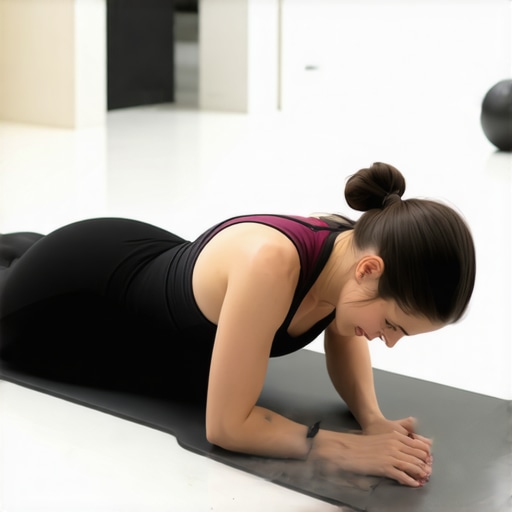
It was a morning like any other, yet as I stood up after my usual stretch, a sharp, stabbing pain shot down my leg. That awful, fiery sciatica flare-up caught me off guard—I couldn’t even straighten my leg without wincing. If you’ve ever experienced that nerve-twisting discomfort, you know how quickly it can turn your day into a nightmare. I remember thinking, “There has to be a better way to handle this—something quick, effective, and body-friendly.” And someday, I stumbled upon a surprisingly simple movement that changed everything: the 2-minute glute bridge.
Your Fast-Track to Sciatica Relief
Imagine a stretch or exercise you can do in just a couple of minutes that actually calms that relentless nerve pain. That’s exactly what I discovered—and what I want to share with you today. We’re going to dive into this quick technique, how it works, and how it can help you regain control over your day, even if you’ve struggled with sciatic flare-ups for months.
Question to Consider: Is This Exercise Really Worth Your Time?
Early on, I was skeptical. I had tried so many stretches and routines that promised relief, but they never stuck. My biggest mistake? Believing that more complicated, longer exercises were the answer. Turns out, the simplest solutions often hold the most power. I’ve since learned that this method is backed by solid biomechanics and research—according to experts, targeted glute engagement can help alleviate sciatic pain by reducing pressure on the nerve (source: https://bodyrenewtherapy.com/sciatica-relief-secrets-how-to-banish-pain-quickly-today). Still, skepticism lingers. I get it. But what if just two minutes could be all you need?
Now, let’s explore how this tiny movement packs a big punch—so you can find relief fast, right at home.
How to Perform the Glute Bridge Correctly
Once I tried the movement in my living room after a long day of sitting, feeling that familiar nerve pinching. I lay flat on my back, knees bent, feet flat on the floor about hip-width apart. I placed my arms at my sides, palms down for support. With a controlled breath, I tightened my glutes and lifted my hips off the ground, aiming to create a straight line from my shoulders to my knees. I held the position for a couple of seconds before slowly lowering back down. The first few attempts felt rough, like trying to get a new dance move right, but I persisted. After just a few reps, I noticed a significant decrease in nerve tension, almost like the pressure was gently lifting. This movement is simple but powerful because it directly targets the gluteal muscles, which support the pelvis and stabilize the lower back. Strengthening these muscles reduces the strain on your sciatic nerve, easing discomfort rapidly. To see detailed instructions and common mistakes to avoid, check out Swift Relief for Sciatica.
Engage Your Core for Better Stability
Your core acts like a natural brace for your spine. During the glute bridge, activating your abdominal muscles enhances stability and prevents overextending the lower back. Imagine your core as the central anchor that keeps everything balanced. To do this, gently draw your navel towards your spine while lifting your hips, as if you’re trying to zip up a tight pair of jeans without squeezing excessively. This combined effort ensures that your hips lift smoothly and safely, reducing the risk of aggravating existing issues. When I first tried this, my only focus was on lifting my hips; I didn’t realize how much extra support my core could provide. After consciously engaging my abdomen, I felt even more relief and control. Incorporate this practice so it becomes second nature—it’s a quick trick to amplify your pain relief. For additional tips on enhancing mobility, explore Mobility Expert Tips.While many believe that stretching endlessly or taking painkillers are the keys to relief, these approaches often overlook complex nuances that determine true healing. One common misconception is targeting only symptoms rather than addressing underlying muscular imbalances, such as weakness in the glutes or poor core stability, which can perpetuate sciatic pain (source: https://bodyrenewtherapy.com/conquering-sciatica-proven-approaches-to-end-discomfort-now). For example, numerous people focus solely on hamstring stretches, thinking flexibility will resolve nerve issues, but in reality, tight hamstrings are often a symptom, not the cause, of deeper pelvic instability.
A crucial trap to avoid is mistaking pain for the root problem. Back and neck pain are usually signals of movement dysfunction or poor posture habits accumulated over years. Quick fixes like foam rolling or heating pads might seem effective initially, but they risk masking the real issues, leading to frustration and chronic discomfort. Instead, a holistic approach that emphasizes strengthening supportive muscles and improving mobility tends to produce sustainable results.
Thinking critically, advanced practitioners recognize that neurological factors, such as nerve entrapment or inflammation, can be overlooked in casual approaches. For example, nerve gliding exercises can significantly reduce sciatic nerve irritation when combined with targeted mobility drills—an insight often missed by beginners (check out this guide for neck-related issues).
A common myth is that rest is always beneficial. In fact, prolonged inactivity can weaken muscles and joints, worsening mobility and pain. Engaging in controlled movement and strength training is key to recovery, but many fear that moving will exacerbate their condition. That’s a misconception; subtle, correct movements help realign structures and relieve pressure on nerves.
Now, here’s a question for the more advanced reader: How do muscular imbalances and movement patterns contribute to nerve pain without obvious injury? Experts suggest that dysfunctional movement patterns, often invisible without detailed assessment, create chronic stress on neural pathways. Addressing these requires a nuanced understanding of biomechanics and personalized rehab strategies, such as those outlined in advanced mobility techniques.
Remember, the road to lasting relief is paved with awareness of these often-overlooked factors. Have you ever fallen into this trap? Let me know in the comments and share your experience with overcoming misconceptions about back and neck pain.Maintaining your spinal health and managing conditions like sciatica, neck pain, or back discomfort requires more than just occasional stretching; it involves a strategic approach to tools, consistent routines, and proactive adjustments. Personally, I rely on specific equipment and methods that have proven effective in my journey toward sustained mobility and pain relief.
Investing in Your Mobility Toolbox
One of my go-to tools is a quality foam roller. I prefer the dense, textured ones because they provide targeted tissue release, helping to reduce muscle knots that can contribute to nerve compression. Regularly rolling out tight areas prevents the formation of adhesions, which can exacerbate nerve impingements over time. I also include a set of resistance bands for gentle strengthening exercises, especially in accessing hard-to-reach muscle groups that support the spine.
Smart Use of Imaging and Posture Feedback Devices
Technology has come a long way. I utilize posture correction apps that use your phone’s camera to analyze alignment during daily activities. These apps serve as an excellent reminder to maintain optimal posture, especially during prolonged deskwork or screen time. On top of that, ergonomic accessories like adjustable sit-stand desks and lumbar supports help me sustain good posture through the day. They’re affordable investments that pay dividends in preventing long-term issues. For detailed insights into ergonomic setups, see this guide.
Tools for Active Recovery and Stability
Gold standard in my routine are balance boards and stability balls. These assist in improving core stability, which is vital in preventing and managing sciatic, neck, and back pain. I incorporate short balance exercises several times a week to keep my core responsive. This proactive approach complements the glute bridges and mobility drills that I perform regularly. You might consider adding these to your routine for a significant boost in long-term health; learn more about mobility mastery here.
Why Consistency and Maintenance Matter
Even the best tools require regular use and proper maintenance. For example, replacing worn-out footwear that affects your gait can prevent uneven loading of your spine. Similarly, scheduling periodic check-ins with a physical therapist or using self-assessment tools helps catch misalignments early before they evolve into chronic problems. Forward-looking trends suggest that integrating smart wearable devices and AI-driven posture coaching will revolutionize how we maintain spinal health—allowing personalized feedback and adjustments on the fly. As a starting point, try setting a reminder to perform your favorite mobility routine daily—small, consistent steps yield the biggest results. Ready to take your back health seriously? Explore advanced tips and techniques on this resource.Throughout my experience managing sciatic pain, I’ve uncovered some less obvious truths that can dramatically impact your healing process. One of the hardest lessons I learned was that quick fixes are often misleading; true relief requires understanding your body’s unique movement patterns and addressing muscular imbalances that sustain pain. I also realized that consistency outweighs intensity—small, daily actions like the 2-minute glute bridge can accumulate into significant gains over time. Finally, I discovered that patience and self-compassion are essential, especially during setbacks, because healing isn’t linear and your body needs time to adjust and strengthen.