
The Proper Way to Use a Foam Roller on Your Lower Back
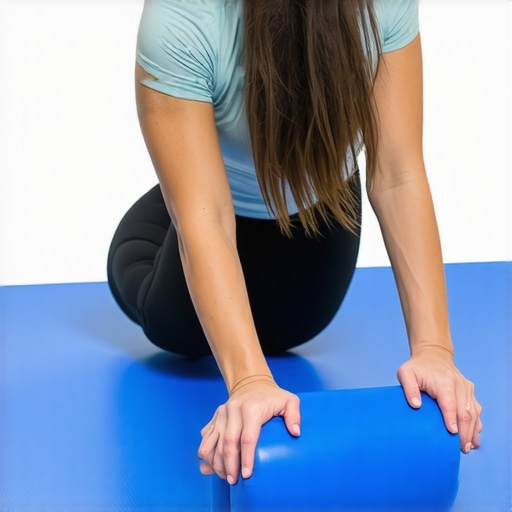
Ever found yourself lying on that foam roller, feeling more pain than relief, wondering if you’re doing it all wrong? I recall a frustrating afternoon where I spent more time grimacing than rolling, realizing I had been misusing my foam roller on my lower back for months. The discomfort seemed to linger, and I genuinely thought I was just doomed to live with it. That lightbulb moment led me down the path of discovering the proper way to use a foam roller, transforming my back health.
The Why Behind Mastering Foam Roller Technique
Understanding the correct method isn’t just about avoiding discomfort—it’s about genuinely improving mobility, reducing pain, and preventing future injury. When I first started, I made the mistake of rolling directly over sensitive areas without support, which only aggravated my condition. This early misstep, which many beginners fall prey to, underscores how vital proper technique is. Expert tips reveal that improper foam rolling can do more harm than good if not executed correctly.
So, have you ever felt worse after foam rolling? If yes, you’re not alone. Many jump into foam rolling expecting quick relief but end up frustrated, or worse, injured. My goal today is to guide you through the proper technique, ensuring you get the maximum benefit without risking harm.
Skeptical? Here’s Why It’s Worth the Effort
I used to believe that any pressure on my back would loosen things up. Early on, I pressed too hard, assuming intensity equated to effectiveness. This mistake is common yet counterproductive. Proper technique involves not just pressure but also smart positioning and form. Trust me, mastering this makes all the difference. For more insights, check out this guide on back mobility.
In the next sections, we’ll explore step-by-step how to use a foam roller on your lower back safely and effectively. Ready to say goodbye to lingering pain and hello to better movement? Let’s dive into the details so you can embark on this journey with confidence.
,
Position Yourself Correctly Before Rolling
Start by lying face down on the floor, placing the foam roller just below your lower back, around the top of your hips. Use your hands to support your weight, keeping your core engaged. Think of it as setting a sturdy foundation before constructing a building; proper positioning ensures effective pressure distribution. I once attempted to roll without adjusting my position, which led to sudden discomfort—a clear sign I was off to a rough start. Taking a moment to align my body saved me from unnecessary pain.
Target the Right Muscle Groups
Focus on the muscles adjacent to your spine, such as the erector spinae, rather than directly pressing on the vertebrae or sensitive protrusions. Imagine trying to loosen a tight rubber band; applying pressure to the correct zone ensures it stretches without overstressing delicate parts. I’ve learned that drifting too close to the spine can cause discomfort, so steering clear maximizes benefits. Using your hands for control, gently rock back and forth, allowing the foam roller to work over the muscle tissue, not the bones.
Apply Thoughtful Pressure With Controlled Movements
Press your body downward onto the foam roller with moderate intensity—akin to gently kneading bread dough. You don’t need to grimace or push as hard as possible; effective rolling relies on consistent, controlled pressure. During my first sessions, I pressed too aggressively, which only aggravated my back. Now, I think of it as massaging pain away gently, avoiding the risk of further injury. Slow, deliberate movements encourage the muscle to relax without triggering nerve pain.
Focus on Breathing and Relaxation
Deep breaths during foam rolling help muscles release tension, much like unwinding after a strenuous workout. If I find myself holding my breath or tensing up, the effectiveness diminishes. During a session, I remind myself to breathe deeply, which aids in softening tight tissues. Think of your breathing as the vehicle that guides your muscle relaxation, making the rolling more productive and comfortable.
Cover All Relevant Areas Systematically
Work along the muscles in segments, moving the foam roller gradually from your lower back up to your mid-back. Use a methodical approach, like tracing a map, to ensure no area is missed. I once skipped parts, only to find pain still persisted—highlighting the importance of thorough coverage. Overlapping segments slightly ensures even relief and prevents pockets of tension from remaining. Take at least 30 seconds per area for optimal results.
Know When to Stop and Seek Help
Never push through sharp or radiating pain; that signals you’ve hit a nerve or damaged tissue. If discomfort persists or worsens, consult a professional. My own experience taught me to listen to my body—overdoing it only set me back. For persistent or severe symptoms, explore expert consultation, such as these mobility tips or signs of serious back pain. Proper technique isn’t magic; it requires patience, attentiveness, and listening to your body’s feedback.Many people believe that persistent neck and back pain simply result from aging, poor posture, or temporary strain. However, as an expert in mobility and pain management, I’ve seen these misconceptions lead to overlooked nuances that hinder true healing. For instance, a common myth is that stretching always alleviates pain, but in reality, overstretching or incorrect techniques can aggravate issues, especially when compressing nerves or inflamed tissues. A study published in the Journal of Orthopaedic & Sports Physical Therapy emphasizes that improper stretching can increase tension and discomfort if not tailored to the individual’s specific pathology.
Another trap many fall into is neglecting the importance of joint stability versus flexibility. While flexibility grants mobility, failing to strengthen supportive muscles can leave joints vulnerable. The misconception that more flexibility equals better health ignores the nuance that stability is equally crucial. Effective approaches combine mobility exercises with targeted strength training, as outlined in resources like this guide.
Can You Really Self-Diagnose Your Pain, or Are You Missing Critical Clues?
Often, individuals assume they understand their pain’s root cause when in fact, symptoms like sciatic pain or chronic neck tension could be signs of deeper issues such as nerve impingement or disc degeneration. Ignoring persistent symptoms or misinterpreting their significance can delay vital treatment. As highlighted in this article, understanding when pain signals a serious condition is essential for timely intervention. Overlooking this nuance may lead to overdue diagnosis, worsening the prognosis.
Many believe that pain in the neck or back is primarily due to posture, but the truth is more complex. Factors like muscle imbalances, joint discrepancies, and even psychological stress contribute significantly to chronic discomfort. A holistic approach, which considers these hidden variables, often yields better long-term results. Incorporate assessments of your movement patterns and consider consulting a professional if you’re unsure—don’t wait until pain becomes debilitating.
Honestly, the main takeaway is that pain’s root causes are rarely simple and often layered. Getting ahead requires questioning assumptions and discerning between myths and facts. Have you ever fallen into this trap? Let me know in the comments below. For deeper insights on how to get to the core of your pain, explore this expert-backed guide.
Keep Your Progress Alive with the Right Tools
Maintaining back health isn’t a one-and-done effort; it requires consistent attention and the right equipment. Personally, I swear by high-density foam rollers, like the TriggerPoint GRID, which offer the durability and firmness necessary for effective tissue release. These rollers help me target stubborn muscle tightness in the erector spinae and hip flexors, preventing them from creeping back and causing pain. Regular use of a foam roller like this helps reinforce mobility gains and keeps my muscles balanced over time.
Investing in a set of resistance bands, especially loop bands, adds a layer of active recovery and strengthening. I use them for hip and core stability exercises which are crucial for long-term back health. A simple routine with these bands enhances neuromuscular control, which studies suggest is vital for preventing injury recurrence. Incorporate band exercises into your daily routine to build resilience against future strains.
The right ergonomic setup cannot be overstated. An adjustable sit-stand desk, combined with a supportive ergonomic chair, creates an environment that minimizes strain during work hours. I prefer desks that allow smooth transitions between sitting and standing, which helps reduce static postures that can stiffen joints and tighten muscles. Pay attention to your monitor height and keyboard positioning—making these adjustments helps keep your neck and spine aligned, preventing chronic issues.
Software and Movement Monitoring Can Make a Difference
I’ve found that tracking my posture and movements helps me stay accountable. Tools like ergonomic apps and posture reminders integrate with my daily workflow, nudging me to correct my position before discomfort sets in. For example, posture reminder apps notify me when I’ve been in a forward-head position too long, prompting quick adjustments. This proactive approach reduces cumulative strain, which is vital if you spend hours at a desk.
Future trends point toward wearable technology that provides real-time biofeedback on muscle strain and posture. Devices like smart posture sensors and motion trackers could soon become standard, offering immediate insights and personalized recommendations. As this technology evolves, integrating such tools into your routine could revolutionize how you prevent chronic pain.
How do I keep my mobility and pain-free movement over time?
The key is consistency—regularly using your tools and adjusting your habits based on feedback. Prioritize daily movement, like the simple back mobility exercises, which promote circulation and tissue health. Incorporating strength training for supporting muscles and maintaining proper ergonomic practices creates a powerful defense against relapse. Remember, pain reduction is a journey rooted in habits—stay committed, and the results will be long-lasting.
Want to boost your benefits? Try integrating my favorite advanced tip: using a foam roller to target your thoracic spine in a controlled, deliberate manner—focusing on breath synchronization to enhance tissue relaxation. Studies in fascia release techniques confirm that rhythmic breathing during rolling can significantly improve outcomes. Make this your daily habit to sustain mobility and reduce the risk of future pain episodes.
The Hardest Lesson I Learned About Back Pain
One of my most impactful realizations was that pain often masks deeper issues. Initially, I thought stretching was the answer, but it turned out that improper movement patterns were the root cause. Recognizing this shifted my approach from quick fixes to long-term strategies, emphasizing mobility and stability instead of just symptom relief.
3 Myths About Mobility That Held Me Back
I believed that more flexibility meant better health, but I learned that excessive flexibility without stability can be dangerous. It was a wake-up call to balance mobility exercises with strength training, ensuring my joints had both range and support. Consulting trusted sources like this guide helped me build a resilient routine.
What Experts Won’t Tell You About Chronic Back Pain
Many overlook that persistent back pain can be linked to habits like poor ergonomics or unresolved muscle imbalances. Addressing these factors requires not just targeted exercises but also lifestyle changes. Getting a professional assessment, as discussed here, can uncover hidden causes and lead to effective, lasting relief.
Curated Resources That Transformed My Approach
Since tackling back pain, I rely on tools like the TriggerPoint GRID foam roller for effective tissue release, which I trust for its durability and design. For strengthening, resistance loop bands have been invaluable in maintaining muscle balance. My ergonomic chair and sit-stand desk also play a critical role in daily comfort, reducing strain during work. These tools collectively support my mobility journey.
Believe in Your Power to Change
The path to lasting back health isn’t reserved for experts—it’s available to anyone willing to make mindful adjustments and stay committed. Trust in the process, incorporate the right tools, and remember that progress comes from consistent effort. Your mobility and comfort are within reach; start today with confidence. And tell me—what’s one change you’re excited to try first? Drop your thoughts below and let’s support each other’s journeys.