
How Your Phone’s Brightness and Font Size Affect Your Neck Tension

Have you ever finished a long scrolling session on your phone, only to feel that nagging ache creeping up your neck? I remember the exact moment I realized my device habits were part of the problem. One evening, after hours of hunched posture and a font size so small I had to squint, I found myself unable to turn my head without a sharp twinge. It hit me—my phone was silently wrecking my neck, and I had no idea how much my screen settings influenced that pain.
Why Tiny Fonts and Bright Screens Could Be Wrecking Your Neck
I’ve learned that the way we set up our phones can dramatically impact our posture and muscle tension. When the font size is too small, or the screen brightness is cranked up for visibility, it often encourages us to tilt our heads downward or crane our necks to get a better view. Over time, this constant strain can lead to chronic discomfort, headaches, and even nerve issues. Research shows that poor posture during phone use not only causes discomfort but can also result in long-term musculoskeletal problems (source).
In my own case, I made the mistake early on of ignoring these clues. I kept my font tiny, my brightness maxed, and wondered why my neck kept tightening up. It wasn’t until I adjusted my settings—bumping up font size and dimming my screen—that I started noticing relief. That’s exactly what we are going to explore today: simple, actionable changes to your phone settings that can reduce neck tension and improve your overall well-being.
Is all of this really worth the effort?
For the longest time, I doubted small tweaks could make a difference. I thought, “I’m just scrolling; it’s not that bad.” But the truth is, these subtle habits compound. Tiny changes in our posture and device use can prevent years of discomfort. I want to share what I’ve discovered—effective strategies that can help you break free from that persistent neck pain and restore comfort to your daily routine.
So, if you’ve ever felt that familiar ache after a bit too much screen time, you’re not alone—and more importantly, you’re not powerless. Let’s dive into the practical steps to set your phone—and your neck—up for a healthier future.
Adjust Your Screen Settings for Better Posture
Start by increasing your font size to reduce the need to tilt your head down. Navigate to your device’s display settings and select a comfortable, legible font size—think of it as enlarging text to avoid squinting and craning your neck. When I first made this change during a hectic workday, I noticed almost instant relief from neck tension, and my eyes felt less strained. Next, dim your screen brightness to match ambient lighting; this prevents you from squinting and leaning forward to see better. These simple modifications are game-changers in reducing neck strain throughout your day.
Set Up Ergonomic Your Device Placement
Position your phone or tablet at eye level to avoid looking down. Use a stand or prop it on a stack of books if necessary. Visualize your neck as a balanced, straight spine—just like a well-supported bridge—eliminating the stress of constant downward tilt. I experimented with propping my device on a tall book, and within minutes, I felt a significant decrease in the ‘crick’ sensation I often experienced. This small tweak prevents the head-from-leaning-forward habit that causes long-term neck issues.
Incorporate Micro-Movements and Breaks
Every 20 minutes, do a quick neck reset—slowly tilt your head side to side, forward, and back. Think of these as ‘mini tune-ups’ for your neck, similar to stretching a tight rope gently rather than pulling it forcefully. During one busy afternoon, I set a timer and performed these gentle movements; the tension in my neck eased remarkably, and I found it easier to maintain a comfortable posture. These micro-movements combat the stiffness that accumulates from static positions, keeping your neck muscles supple.
Practice Nerve Glides and Mobility Moves
Introduce simple nerve gliding exercises—like gently nodding your head while subtly shifting your chin forward and back—to maintain mobility in the cervical spine. Think of your nerves as thin spaghetti; keeping them ‘sliding’ smoothly prevents pinching and pain. I added these movements into my routine after researching how nerve impingements can mimic or worsen pain conditions; the effect was noticeable—less tingling, more range of motion. Regular mobility exercises prevent your neck from becoming a stiff, unresponsive part of your body.
Strengthen Supporting Muscles
Work on your upper back and shoulder muscles with targeted strengthening exercises. Properly conditioned muscles hold your neck in proper alignment, much like scaffolding supports a building. I started with simple rows and shoulder blade squeezes, and over weeks, my neck discomfort diminished. Stronger supportive muscles mean less strain on the cervical spine during daily movements, reducing the risk of chronic pain.
Implement Consistent Habits for Long-Term Relief
Create a daily routine that includes these setting adjustments and movement breaks. Consistency transforms small habits into powerful defenses against neck pain. I committed to this new routine, and after a month, I experienced a noticeable reduction in soreness and stiffness. Remember, small, deliberate changes accumulate, leading to sustainable relief and improved mobility over time.
Monitor and Adjust Your Habits
Pay attention to how your neck feels after each adjustment or movement. Use that feedback to refine your setup—perhaps your screen needs to be even higher or your break frequency increased. Think of it as tuning a musical instrument—small tweaks make a big difference. I kept a journal of my progress, which helped me identify patterns and areas needing more focus. This ongoing adjustment ensures your efforts are tailored and effective, turning pain management into a natural part of your daily life.
By applying these focused, actionable steps, you take control of your neck health without relying solely on medications or visits. Every small change is a move toward lasting comfort, better mobility, and a more enjoyable digital experience.
Most people assume that pain relief and improved mobility come down to stretching more, strengthening their muscles, or just waiting it out. But in my experience as an expert in musculoskeletal health, there’s a much deeper nuance often overlooked. One common myth is the idea that pain is always a sign of weakness or injury that needs fixing through aggressive treatment. In reality, pain, especially chronic back or neck discomfort, can be a miscommunication within your nervous system and muscles—a warning, not a damage report. This distinction is essential because many fall into the trap of overcorrecting, which can exacerbate issues rather than resolve them.
Another overused misconception is that suppressing pain with medications alone is a solution. While temporary relief might seem attractive, masking symptoms often delays addressing the root cause. For instance, a client once told me they relied solely on NSAIDs to manage sciatica, but their pain kept recurring. After a comprehensive assessment, we discovered they had poor movement habits and muscular imbalances contributing to nerve irritation—issues that required targeted mobility work and posture corrections. External studies, like those summarized in this resource, support that persistent relief comes from understanding and treating underlying dysfunctions, not just symptoms.
Is It Just About More Movement?
A sophisticated question I often hear is: “Should I just keep moving until the pain goes away?” The answer is nuanced. Excessive or improper movement can actually worsen conditions like herniated discs or nerve impingements. Instead, the goal should be mindful, strategic mobility—focusing on controlled, pain-free ranges, and integrating nerve glides or gentle strengthening. This avoids the common mistake of pushing through pain, which can cause chronic inflammation or tissue damage. For example, studies indicate that nerve gliding exercises can significantly reduce sciatica symptoms by restoring nerve mobility without aggressive stretching that might provoke nerve pain (source).
One trap to avoid, especially with back pain, is believing that static stretching or heavy yoga is always beneficial. While these activities can help some, they often worsen cases involving nerve irritation or joint instability if done improperly. In my practice, I emphasize that quality movement and targeted exercises trump generic routines—it’s about the right moves, not just more movement.
Many have an oversimplified view: “Stretch more, strengthen more, and pain will disappear.” But healing involves understanding your unique biomechanics, muscle imbalances, and nervous system responses. For instance, addressing pelvic tilt or hip instability can dramatically change chronic neck or back pain—something that standard stretching routines often neglect.
Remember, every person’s pain pattern is unique, and quick-fix solutions rarely work long-term. Developing awareness of your body’s signals, combined with expert-guided mobility strategies, creates sustainable change. Want to understand more about customizing your approach? Consider exploring our comprehensive mobility strategies.
Crucially, avoid the trap of viewing pain as purely mechanical damage. Instead, see it as a complex message your nervous system sends, guiding you toward better habits and movement patterns. As you refine your understanding, you’ll see faster, more durable improvements. Have you ever fallen into this trap? Let me know in the comments.
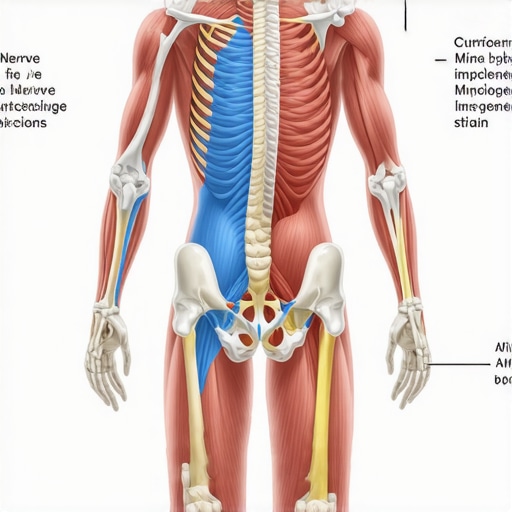
Maintaining spinal health and mobility over time isn’t just about quick fixes or sporadic exercises; it requires reliable tools and consistent habits. As someone deeply invested in facilitating long-lasting relief from sciatica, back pain, and neck discomfort, I’ve curated a set of specific equipment and methodologies that have proven indispensable in my practice—and for myself. Implementing these tools consistently can help you preserve your mobility and prevent setbacks down the road.
Investing in Quality Support Systems
One of the foundational elements I swear by is a high-quality foam roller, such as the TriggerPoint GRID Foam Roller. Unlike cheaper versions, this roller maintains its shape and provides a firm yet forgiving surface that allows deep tissue massage. I use it daily to release trigger points in my back and neck muscles, which helps prevent stiffness and improves flexibility. Its textured surface also facilitates better grip during my self-myofascial release routines. Regular foam rolling has been shown to improve blood flow and reduce muscle tightness, which is crucial for avoiding chronic pain conditions (learn more about foam rolling techniques).
Why Add a Resistance Band to Your Routine
Resistance bands, particularly the TheraBand CLX series, are versatile for strengthening the small stabilizing muscles around your spine and shoulders. I rely on these bands for gentle isometric exercises that support correct posture—especially during extended sitting periods. Their portability allows me to perform quick strength and mobility drills anywhere, making consistency easier. Over time, targeted resistance training with bands can significantly diminish the risk of recurrent back and neck pain.
Utilizing Strategic Software and Apps
Beyond physical tools, I advocate for digital aids. Apps like Ten Percent Happier provide guided mindfulness sessions that help manage stress-induced tension, which often exacerbates pain conditions. Additionally, digital posture correction tools, such as the Lumo Lift wearable, offer real-time feedback when your posture begins to falter. I personally wear it during work sessions—its gentle alerts remind me to sit upright, preventing slouching that can lead to long-term issues. As research indicates, maintaining awareness of posture is essential for sustained musculoskeletal health (see supporting studies here).
Monitoring and Measuring Progress
Tracking your mobility gains and discomfort levels is vital. I recommend using a simple journal or digital logs to note daily improvements and setbacks. Over time, this data helps you identify patterns—whether certain postures or activities trigger pain—and adjust your routines accordingly. Remember, consistent evaluation is key to ensuring your tools and techniques remain effective.
What the Future Looks Like in Spinal Care
Emerging technologies like AI-driven posture analysis and biofeedback devices are poised to revolutionize long-term maintenance. Expect more personalized and adaptive programs that integrate seamlessly into daily life, making spinal health a proactive, rather than reactive, process. As this field evolves, staying informed and leveraging cutting-edge tools will be essential.
How do I maintain mobility and pain relief over time?
One proven approach is to integrate micro-mobility practices with these tools into your daily routine—regularly using a foam roller, resistance bands, and digital support devices. Commit to at least three dedicated sessions weekly, focusing on both strengthening and soft tissue health. And, importantly, stay engaged with expert-guided programs or consult professionals when needed. For a comprehensive plan tailored your circumstances, consider reaching out through our contact page. Begin now by trying a targeted self-myofascial release using the foam roller we discussed—small, consistent efforts yield significant results over time.
Little Secrets That Changed Everything About Mobility and Pain Recovery
One of the most profound lessons I learned was that the journey to pain relief isn’t about quick fixes; it’s about understanding the nuanced dance between movement, posture, and the nervous system. I used to believe that intense stretching or heavy workouts were the keys, but I discovered that gentle, strategic movements and mindful adjustments often produce more sustainable results. Real progress came when I started listening deeply to my body’s signals and respecting its unique rhythm rather than forcing it into generic routines.
Another insight that shaped my approach was recognizing the power of small habits—like setting my phone at eye level or performing micro-movements during the day—that might seem insignificant but collectively transformed my neck and back health over time. These subtle shifts created a ripple effect, drastically reducing discomfort and preventing future injuries. Learning to see my body’s messages not as obstacles but as guides allowed me to tailor my care and avoid repetitive strain.
The biggest lightbulb moment, however, was understanding that pain often signals underlying tension or muscle imbalances rather than mere injury. This shifted my perspective from chasing symptom suppression to addressing root causes through targeted mobility and strengthening. Embracing this mindset empowered me to develop a personalized plan that fostered resilience and long-term wellness instead of fleeting relief.
My Go-To Tools for Lasting Relief and Mobility Passion
Over the years, I’ve curated an arsenal of trusted tools that make a tangible difference. The TriggerPoint GRID Foam Roller remains indispensable for releasing tight tissue and boosting circulation in my neck and back muscles—its textured surface hits those stubborn trigger points precisely where pain originates. I also swear by resistance bands like the TheraBand CLX for strengthening stabilizers that keep my spine aligned and sturdy. For mindfulness and stress management, apps like guided meditation and posture-tracking wearables such as the Lumo Lift have helped me stay aware of my habits and prevent tension build-up. These resources aren’t just accessories—they’re pivotal in my ongoing commitment to mobility.
What sets these tools apart is that they’re backed by research and tailored to real-world use. They empower you to be proactive, turning daily routines into opportunities for improvement. Whether it’s a quick nerve glide or a targeted stretch, integrating these tools into your life can lead to profound, lasting change.
Your Next Step Toward Freedom from Neck and Back Pain
Remember, every journey begins with a single mindful step. Your body has the incredible capacity to heal and adapt when given the right support and attention. By embracing gentle mobility, strategic adjustments, and trusted tools, you’re creating a solid foundation for a pain-free future. The power to transform your neck and back health is within reach—start today, stay consistent, and celebrate your progress along the way.
What’s one small change you’re willing to make today to support your mobility and reduce pain? Share your plan below—I’d love to hear your intentions and cheer you on!