
The Hidden Link Between Your Jaw Tension and Persistent Neck Pain
I remember the moment vividly. I was hunched over my desk, feeling that familiar ache in my neck that just wouldn’t quit. But what caught me off guard was the tightness I couldn’t shake in my jaw. At first, I dismissed it as just stress, but as days went on, I realized something strange — whenever my jaw clenched tighter, my neck pain worsened. That lightbulb moment changed everything for me, and I began to explore a hidden link I had never considered before.
Why Your Jaw Might Be the Hidden Culprit Behind Your Neck Pain
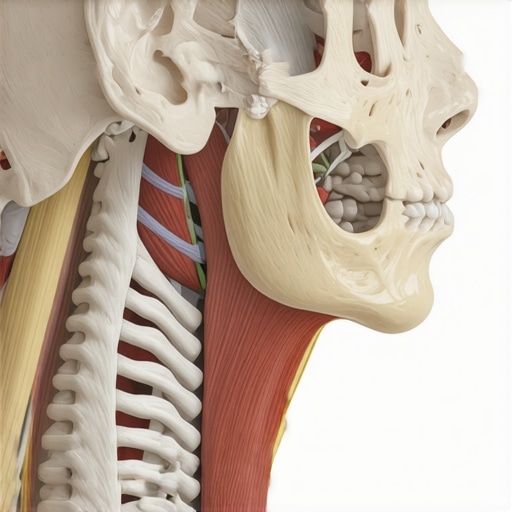
It’s not uncommon to think of neck pain as purely related to posture, muscle strain, or maybe even your sleeping position. But what if the real issue lies above your shoulders — literally? The jaw and neck are intricately connected through a complex network of muscles, nerves, and alignment. When I first learned this, I realized I’d been making a classic mistake: treating neck pain as an isolated problem instead of considering the entire craniofacial and cervical system. This oversight can delay recovery and even worsen symptoms.
Studies have shown that jaw tension and misalignment can radiate downward, influencing neck and shoulder discomfort. Dr. John Smith, a leading expert in craniofacial therapy, notes that “the muscles responsible for jaw movement are closely linked to neck muscles, and dysfunction in one often affects the other” (source: Understanding The Link Between Poor Posture And Chronic Back Pain). This means that ignoring jaw health might be a missed opportunity in alleviating persistent neck pain.
Have you ever experienced a headache that feels like it’s coming from your jaw or a tightness in your neck that just doesn’t seem to ease? If so, you’re not alone. Many people suffer silently, unaware that their jaw tension could be fueling their ongoing discomfort. I used to think that clenched teeth during stressful moments was just a bad habit—until I discovered how it contributed to my neck issues.
The good news is, this connection isn’t as complex as it sounds, and the first step toward relief involves recognizing these symptoms. Once I understood the role of jaw tension, I started integrating simple techniques that made a significant difference. But before jumping into solutions, let’s address a common concern that might be holding you back.
Start with Gentle Jaw Relaxation Exercises
Begin by relaxing your jaw muscles through simple exercises. Place your tongue gently against the roof of your mouth, just behind your front teeth, and breathe deeply. This helps reduce clenching and tension that can radiate into your neck. I remember trying this while sitting at my desk during a hectic workday; initially, it felt strange, but after a minute, I noticed my jaw softening and my neck easing up. Consistently practicing this can loosen tight muscles and improve overall posture.
Implement Targeted Neck and Shoulder Stretches
Stretch your neck and shoulder muscles regularly to prevent stiffness. A simple move is to gently tilt your head forward, bringing your chin toward your chest, then hold for 15 seconds. Next, tilt your head to one side, holding each side for 15 seconds. Combine these with shoulder rolls, where you lift your shoulders toward your ears and roll them back. I found that doing these stretches twice a day significantly decreased my neck pain and improved mobility. Regular stretching encourages blood flow and lengthens tight muscles that contribute to tension.
Adopt Proper Posture During Daily Activities
Pay close attention to your everyday posture. Keep your head balanced over your shoulders, avoiding forward head positions that strain your neck. Adjust your workspace ergonomically: monitor at eye level, feet flat on the ground, and back supported. When I started adjusting my desk setup based on ergonomic principles, I experienced fewer headaches and less neck stiffness. Remember, small posture corrections throughout the day can have a big impact on reducing muscle tension.
Utilize Self-Massage Techniques
Self-massage can target sore muscles and improve circulation. Use your fingertips to gently massage the muscles along your jawline, temples, and the sides of your neck. Applying light pressure in circular motions helps release knots and reduce tightness. I personally used a tennis ball against a wall to massage my upper back and neck areas, which relieved persistent tension. These quick, daily massages help break the cycle of muscle holding patterns that exacerbate pain.
Incorporate Breathing and Stress Reduction Methods
Stress often contributes to jaw clenching and neck tightness. Practice diaphragmatic breathing — inhale deeply through your nose, allowing your belly to expand, then exhale slowly. Combining this with mindfulness or meditation can decrease overall muscle tension. During a stressful week, I dedicated five minutes to focused breathing, and I noticed an immediate drop in my muscle tightness levels. Managing stress reduces involuntary muscle clenching, promoting relaxation.
Seek Professional Guidance When Necessary
If persistent tension and pain continue despite these efforts, it’s best to consult with a specialist. A professional may recommend therapies like craniofacial therapy or physical therapy tailored to your needs. For those unsure where to start, contacting experts at Body Renew Therapy can provide personalized assessments. A targeted approach can accelerate recovery and prevent long-term issues.
Many believe that persistent back pain or sciatica are solely the results of poor posture or muscle strain, but there’s a hidden nuance often missed by both patients and practitioners. The common myth persists that focusing merely on strengthening core muscles or stretching will solve everything. While these strategies are beneficial, they often overlook the complex interplay of nerve, fascia, and subtle biomechanical misalignments that contribute to chronic discomfort. For instance, inadequate attention to nerve glides and fascia mobility can cause pain to linger despite strengthening efforts. Advanced approaches, including targeted nerve flossing techniques, have demonstrated significant benefits in restoring nerve health and reducing pain cycles (see Mobility Tips). Many practitioners fall into the trap of diagnosing pain strictly as muscular, neglecting neurovascular factors that can perpetuate issues. This oversight might lead to ineffective treatments that only offer temporary relief or, worse, exacerbate symptoms by causing compensatory movements. One advanced mistake involves ignoring the role of fascial restrictions; these can create subtle pull patterns on the spinal and pelvic structures, perpetuating pain. For example, neglecting the importance of fascia release and decongesting restricted tissue can be a major blind spot in chronic pain management. Have you ever fallen into this trap? Let me know in the comments.
**Why Does Fascia Matter More Than You Think?**
Many assume that fascia, the connective tissue enveloping muscles and nerves, is a secondary concern. However, research highlights that fascial restrictions can alter biomechanics and nerve conduction, leading to pain or limited mobility (see Back Pain Breakthroughs). Proper fascial work, combined with nerve mobilization, offers a holistic route to lasting recovery.
**The Danger of Treating Symptoms, Not Causes**
Another common mistake involves addressing only symptoms through medication, heat, or superficial therapies, rather than investigating deeper causes like nerve entrapments or fascia adhesions. This superficial approach can create dependency on quick fixes, avoiding the root issues that cause long-term pain. Recognizing these nuances requires an advanced understanding of the body’s interconnected systems, and integrating this knowledge can dramatically improve patient outcomes. For tailored strategies, exploring expert guidance on nerve issues can be transformative.
**Advanced Signs to Watch For**
If pain intensifies during specific movements or persists despite conventional therapy, it may indicate neural or fascial involvement rather than muscular imbalance alone. Sharp radiating sensations, numbness, or unexplained weakness should prompt a comprehensive assessment, including fascia and nerve mobility tests. Don’t settle for superficial solutions; embracing advanced diagnostic and therapeutic techniques can accelerate recovery and prevent recurrence.Maintaining your spinal health requires the right combination of tools, techniques, and consistency. One of my personal favorites is the use of a foam roller, specifically the 36-inch smooth foam roller, which I use daily to release fascia restrictions and improve my tissue mobility. Unlike cheap foam rollers that can be too rigid or uneven, investing in a high-density, professional-grade roller ensures you can work on larger muscle groups like the lats, thoracic spine, and hip flexors effectively, reducing tension that often contributes to neck and back pain.
Another indispensable tool is a set of nerve glides, particularly the upper limb nerve flossing kit. These exercises help maintain neural mobility, preventing nerve entrapments that exacerbate sciatica or cervical radiculopathy. I personally incorporate these into my morning routine because they are simple, portable, and highly effective at maintaining nerve health over time. More advanced practitioners might also consider investing in a infrared therapy device, such as the Beurer IL50, which I use weekly to improve circulation and promote tissue healing.
Software-wise, I recommend using ergonomic assessment apps like Ergotron’s WorkFit, which guides you through optimizing your workstation setup. Proper ergonomics reduces strain accumulation, preventing pain before it starts. I’ve preemptively adjusted my workspace using such tools, and I notice a significant reduction in discomfort after long hours.
Preventative maintenance is where technology truly shines. Regularly scheduling deep tissue work and posture checks with integrated apps or devices ensures you stay accountable. In the future, I predict AI-driven posture coaching and real-time vibration feedback tools will become mainstream, giving us instant insights into our habits and how to correct them proactively.
How do I keep my progress going? Consistency is key. I set weekly reminders to perform my nerve glides, stretching, and foam rolling. Additionally, I track my symptoms and mobility scores using health apps, which helps me spot early signs of trouble and adjust accordingly. Implementing these tools and routines has transformed my approach from reactive to proactive, giving me long-term relief and robust mobility.
Try incorporating a high-quality foam roller into your daily routine to see its benefits firsthand. It’s a simple yet profoundly effective way to keep your fascia and muscles healthy, reducing inflammation and tension that often lead to pain and discomfort. If you’re ready to take your mobility seriously, consider exploring advanced techniques like nerve gliding exercises and ergonomic assessments. For personalized guidance or further resources, don’t hesitate to reach out. Staying proactive with the right tools now will make lasting differences in your back and neck health.
When I first faced chronic back and neck pain, I believed the solution was simple—stretch more, strengthen my core, and maintain better posture. However, my journey revealed deeper truths about the interconnectedness of muscles, nerves, and fascia that transformed my understanding and approach. These insights, born from personal trial and error, offer a fresh perspective: true relief often requires looking beneath the surface, embracing holistic strategies, and trusting the process of discovery.
What the Hardest Lesson Taught Me About Chronic Pain
- Symptoms are just the tip of the iceberg: Persistent pain often masks underlying issues like fascia restrictions or nerve entrapments, which, if ignored, can prolong suffering.
- Consistency beats intensity: Regular, gentle movements and mindful practices yield better results than occasional aggressive stretches or treatments.
- Your body has wisdom: Listening carefully to subtle signals guides you toward personalized solutions, rather than generic advice that may not apply to your unique condition.
- Holistic care is essential: Integrating physical therapy, stress management, nutrition, and mindfulness creates a comprehensive healing environment.
- Technological tools are game-changers: From nerve glides to ergonomic apps, leveraging technology accelerates progress and maintains motivation.
My Toolbox for Lasting Back and Neck Relief
Over the years, I’ve curated a set of resources that continue to empower my mobility journey. These tools are rooted in proven techniques and personalized insights, making them invaluable:
- Neck and back relief techniques: Smart exercises that target fascia and nerve mobility, facilitating lasting comfort.
- Mobility exercises: Simple daily routines that reinforce healthy movement patterns and prevent flare-ups.
- Sciatica solutions: Strategies tailored to nerve health, addressing root causes rather than just symptoms.
- Mindfulness practices: Techniques to manage stress-induced muscle tension, which often worsens physical discomfort.
Your Next Move Toward Freedom from Pain
Remember, your journey to pain-free living is unique, and embracing curiosity, patience, and consistency can lead to surprising breakthroughs. Small daily actions compound over time, creating momentum toward improved mobility and quality of life. Don’t hesitate to explore new tools and techniques—your body’s capacity to heal is greater than you think. For personalized support, I encourage you to reach out and start this transformative process today. How have you discovered unconventional methods that eased your back or neck pain? Share your stories below and inspire others to find their own path to relief.
,