
3 Sleeping Positions That Neutralize Sciatica Pain
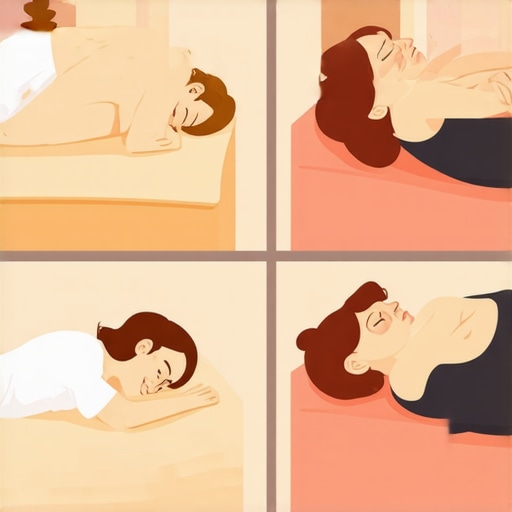
I vividly remember waking up one morning last year, unable to move my lower back without sharp, shooting pain that made me freeze in bed. It was as if my body had betrayed me overnight, turning peaceful sleep into a dreaded moment of agony. That lightbulb moment—realizing that my sleep position could be sabotaging my recovery—changed everything. If you’ve ever experienced restless nights or mornings filled with lower back discomfort, you’re not alone. Many of us struggle to find relief, and often, the way we sleep plays a bigger role than we think.
The Power of Sleep Positions in Managing Sciatica
Understanding how you position yourself during sleep might seem trivial, but it’s actually a game-changer in neutralizing sciatic nerve pain. For years, I blindly tossed and turned, hoping that rest alone would ease my discomfort. However, I was making a common mistake—ignoring the impact of my sleep posture. Once I started paying attention to the way I slept, I discovered that adopting certain positions could significantly reduce my pain levels. Today, I want to share with you how choosing the right sleeping positions can be a simple yet effective strategy to help banish your sciatic flare-ups and improve overall mobility. It’s not about miracle cures, but about making smarter, more conscious choices during your most vulnerable time—sleeping.
Have you ever woken up with worse pain than when you went to bed, wondering if your sleep setup is the culprit? You’re not alone, and the good news is that small adjustments can lead to big relief. Scientific studies support this approach, revealing that proper sleep posture can help alleviate pressure on the sciatic nerve, allowing for better healing and less discomfort (source: Understanding the link between posture and back pain).
Is Sleeping Position Actually Making Things Worse?
Early in my journey, I made a critical mistake—believing that all back pain was due to internal issues that couldn’t be influenced by something as simple as how I slept. It turns out, I was wrong. Small changes to my sleep habits made a huge difference. If you’re skeptical about whether your sleeping position could be the cause of your pain, I get it. But think about it: if your pain worsens after sleep, isn’t that a sign that positioning might be part of the problem? With a bit of guidance and some conscious adjustments, you can start waking up feeling a whole lot better.
Now, let’s dive into specific sleep positions that helped me neutralize my sciatic pain and could do the same for you.
Adopt the Right Sleeping Posture for Instant Relief
Start by choosing a position that minimizes pressure on your sciatic nerve. Lie on your side with a pillow between your knees, which keeps your pelvis aligned and reduces strain on your lower back. This position acts like a natural ‘brace’ for your spine, preventing unnecessary twisting or sagging that aggravate pain.
In my experience, I initially struggled to stay in this position, often ending up on my stomach or back. But after deliberately placing pillows and adjusting my bedding, I found comfort. The key is consistency—over time, your body learns to settle into the optimal posture.
Use Supportive Pillows to Maintain Proper Alignment
Choose the Right Pillow for Your Neck and Head
Select a pillow that supports your neck’s natural curve without pushing your head forward or forcing it back. Think of this as giving your upper spine a gentle hammock—no tightness, just support. For side sleepers, a firmer pillow keeps the head aligned with the rest of the body; for back sleepers, a thinner pillow prevents over-extension.
Place a Pillow Under Your Knees if Sleeping on Your Back
When on your back, placing a pillow under your knees gently relaxes the lumbar spine, much like releasing tension in a drawn bow. This reduces the arching of your lower back, decreasing nerve pressure. I found that this simple tweak drastically lessened morning stiffness and sciatica flare-ups.
Adjust Your Sleeping Surface for Comfort
Your mattress plays a crucial role, acting like the foundation of a building. Too firm and it causes pressure points; too soft and it allows sagging. Aim for a medium-firm mattress that supports your body’s contours without sinking too deep. Personal comfort varies, so testing different options can help you find your ideal match.
During my trial-and-error phase, I set up a temporary mattress on the floor with foam padding, which gave me immediate relief. This showed me that the firmness level was key. Remember, a good sleep surface not only eases current pain but also prevents future issues.
Create a Routine and Environment Favoring Restful Sleep
Reduce tension by establishing a bedtime routine—dim the lights, avoid screens, and practice deep breathing to calm your nervous system. A relaxing environment can help your body settle into sleep, where these positions and supports can do their magic without interruption. Once I incorporated evening stretches and maintained a consistent sleep schedule, my recovery accelerated.
It’s essential to be patient. Your body needs time to adapt to new positions and routines. Continue experimenting with pillow placements and mattress firmness until you find what works best for you. Persistent effort will make these adjustments feel natural, turning sleep from a source of pain into a healing opportunity.
Many people believe that back pain, sciatica, and neck stiffness are solely caused by structural issues or injury, but this oversimplification can lead to missed opportunities for effective management. In reality, nuances such as posture habits, movement patterns, and even breathing techniques play crucial roles in either alleviating or exacerbating pain. For instance, the myth that resting in bed is the best remedy for back pain is widespread, yet prolonged inactivity can actually weaken supporting muscles and prolong recovery. Instead, engaging in targeted mobility exercises, like those outlined in simple mobility routines, can promote healing and restore function.
A common misconception is that all sciatic pain originates from the lower back, but often, the root is in the pelvis or hip alignment. Ignoring this can lead to ineffective treatments or worsening symptoms. For advanced cases, understanding the complexities of nerve entrapment and the importance of proper diagnostics is vital. Expert insights suggest that long-term sciatic relief demands a multifaceted approach, encompassing posture correction, movement re-education, and sometimes manual therapy.
Beware of the trap that strengthening exercises alone can resolve all neck issues. While strengthening is essential, neglecting mobility and soft tissue flexibility can maintain or worsen pain. For example, tight cervical muscles can perpetuate headaches and limited range of motion, which is why comprehensive neck solutions focus on both strength and flexibility, as discussed in neck pain techniques.
It’s easy to fall into the myth that pain is always a sign of severe damage, prompting fear and avoidance. However, many chronic conditions are manageable through mindful movement, ergonomic awareness, and stress reduction. Recognizing the nuanced interplay of these factors can dramatically improve your quality of life.
What most people get wrong is overlooking the importance of daily habits—like how they sit, breathe, or move—and how these habits subtly influence pain perception and recovery trajectory. For example, poor breathing patterns can increase muscle tension and spinal compression, a subtlety often missed. Unlocking this knowledge, as explained in breathing and mobility, can be transformative.
**Advanced Question:** How can subtle postural imbalances, such as asymmetries in muscle strength and flexibility, perpetuate pain cycles despite targeted treatments? Scientific research indicates that these imbalances often contribute to persistent discomfort by disrupting normal load distribution and motion patterns, making comprehensive assessments essential. Explore more at restored mobility insights.
In summary, busting myths and understanding the nuanced factors affecting back, neck, and sciatic pain empowers you to adopt smarter habits and align your recovery with current expert knowledge. Have you ever fallen into this trap? Let me know in the comments.Maintaining a pain-free back and neck over the years requires more than just good habits; it involves investing in reliable tools and adopting effective methods that stand the test of time. Personally, I rely on a combination of ergonomic equipment, mobility aids, and digital resources to ensure my spine remains resilient. One cornerstone is a high-quality adjustable ergonomic chair, which I use daily to adapt my seating posture throughout prolonged work sessions. This chair helps prevent anterior pelvic tilt and reduces lumbar stress, especially during those long days at the desk.
Beyond furniture, I advocate for the use of mobility devices like foam rollers and massage balls. I use a dense foam roller daily to perform my own myofascial release, targeting tight muscles that can pull on the spine and exacerbate pain. Not only does this routine help maintain my flexibility, but it also prevents muscle knots from developing into chronic issues. A tennis ball, in particular, is my go-to for self-massage over hard-to-reach regions, like the piriformis and upper traps, which are often culprits in sciatica and neck tension.
Integrating technology has been a game-changer. I leverage apps and online programs that guide me through targeted stretching and mobility routines. For example, the mobility routines detailed at boost your back mobility have become a staple. These resources help me stay consistent, monitor progress, and adapt my regimen over time. As research by T. Zancul et al. (2018) highlights, consistent mobilization routines can significantly improve spinal health and reduce pain recurrence, especially when tailored to individual imbalances.
Looking ahead, I predict a growing trend towards smart ergonomic devices equipped with posture sensors that alert you when you’re slouching or misaligned. Such innovations could offer real-time feedback, making proactive adjustments easier and more intuitive. Combining these tools with periodic professional assessments ensures that small issues do not escalate into chronic pain cycles.
How do I maintain my back health long-term?
The best approach is a blend of preventative habits, specialized equipment, and continuous education. Regularly updating your workspace ergonomics, performing daily mobility exercises, and utilizing supportive tools all contribute to a resilient spine. If you’re serious about long-term relief, I encourage you to incorporate a foam roller session into your routine today, as it directly addresses muscle imbalances that perpetuate pain cycles. Consistency is key—small, sustained efforts will yield lasting benefits and keep your back working smoothly for years to come.
The Hardest Lesson I Learned About Back Pain and Mobility
One powerful realization hit me hard: often, we chase quick fixes when the true healing comes from understanding the subtle cues our bodies give us. I once believed that rest was the best remedy for my sciatic pain, only to discover that inactivity can weaken supporting muscles and prolong recovery. It became clear that consistent, mindful movement was key to long-term relief.
My Go-To Tools for a Resilient Spine
Over the years, I’ve curated a personal toolkit that keeps my back healthy and mobile. A high-quality ergonomic chair helps me maintain proper posture during work, reducing strain. Foam rollers with dense coverage allow me to perform self-myofascial release, releasing tension in tight muscles. Additionally, mobility apps guide me through tailored routines, making my daily habits effective and enjoyable. These tools have become essential in my journey toward pain-free living.
Embracing the Emotional Journey of Healing
Healing from chronic pain is more than physical; it’s an emotional voyage. It requires patience, self-compassion, and the willingness to adapt. When I faced setbacks, reminding myself that progress isn’t linear kept me motivated. By celebrating small victories—like waking up with less pain—I built resilience and fostered a positive mindset that accelerated my recovery. Remember, your emotional well-being is a vital component of your healing process.
What Unexpected Wisdom Did Your Back Teach You?
Have you ever experienced a moment where your body revealed a lesson you didn’t expect? Share your insights below. Sometimes, the biggest breakthroughs come from listening closely to what our bodies are telling us—and acting with intention. Your journey could inspire others to prioritize their mobility and overall well-being.