
The Best Way to Sit in an Airplane Seat
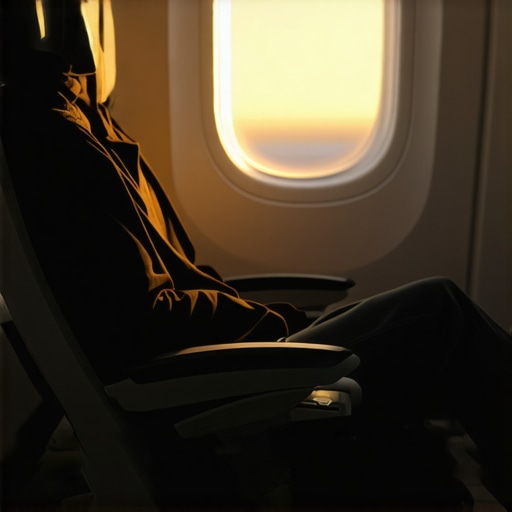
Have you ever found yourself stumbling off a long flight with a stiff back, a sore neck, or that lingering dull pain that just won’t quit? I remember the moment so clearly—after a 10-hour journey, I was hunched over, aching in places I didn’t even know could hurt. That lightbulb moment hit me hard: I wasn’t just tired, I was sitting wrong.
The Common Trap of Poor Seating Habits on Planes
Airplane seats are often designed more for economy than for comfort, leaving many travelers to struggle with finding the right position. It’s easy to fall into the trap of slouching or gripping the armrests too tightly, which only worsens discomfort. I used to think that adjusting my body slightly or stuffing a pillow behind my lower back was enough. Turns out, I was making a crucial mistake early on—neglecting to understand the best way to sit for spinal health during flights.
Is Sitting Properly Really That Important on a Short Flight?
Absolutely. Your posture during flights impacts blood flow, muscle tension, and even nerve health. Prolonged poor positioning can lead to long-term issues like sciatic pain or chronic neck tension. An external study found that a significant percentage of travelers experience back pain after just a few hours of poor seating habits—sometimes lasting days after the journey (source: [Body Renew Therapy](https://bodyrenewtherapy.com/understanding-the-link-between-poor-posture-and-chronic-back-pain)).
Early on, I made the mistake of thinking I could just endure the discomfort, but that only compounded the problem. Once I learned the right way to sit, everything changed. Instead of arriving stiff and sore, I could disembark feeling more relaxed and ready to go. And now, I want to share these insights with you to make sure your next trip is a pain-free experience.
In the upcoming sections, we’ll explore practical, easy-to-implement techniques to sit smarter—transforming your flight experience from nerve-wracking to nourishing for your body. Ready to sit better and feel good on every trip? Let’s dive into the essentials of proper airplane seat posture.
Lock in Your Lower Back Support and Maintain Neutral Alignment
When sitting during a flight, imagine your spine as a gentle S-curve—too much slouching flattens this curve, causing stress, while over-arching strains the muscles. To maintain this ideal, place a small lumbar pillow or a rolled towel behind your lower back, aligning your lumbar curve. During my last trip, I grabbed a rolled-up shirt and gently pressed it against my lower back; initially awkward, but it instantly relieved pressure and prevented me from slumping, keeping my spine in a safe, neutral position so your discs aren’t under unnatural loading.
Sit Gravelly, but Stay Alert
Choose your seat position carefully. Sit back fully against the seat’s backrest, then slightly tilt your pelvis so your tailbone touches the seat—this mimics standing posture better. If the seat reclines, keep it at a comfortable angle—too reclined increases lower back strain, too upright may compress your discs. I remember during one flight, I kept adjusting the recline to find that sweet spot—halfway— which reduced fatigue and prevented sciatic pinching. Remember, your goal is consistent support, not a perfect posture, but a sustainable one.
Switch Postures Regularly, Like a Dynamic Balance Act
Standing up every hour and stretching is crucial. Think of your body as a mobile—constant small moves keep parts from stiffening. Stand, stretch your legs, rolling your ankles and flexing your calves to prevent tightness pulling on your lower back. I use a quick ankle pump, lifting my heels off the ground, to boost circulation, which reduces pain signals travelling to your brain. This routine prevents muscles from tightening and nerves from pinching, akin to releasing tension on a guitar string; gentle, controlled movement restores harmony and eases discomfort.
Use Strategic Accessories to Enhance Stability and Comfort
Carry a small, portable lumbar support or an ergonomic travel pillow to keep your spine aligned. If your seat lacks support, lean your back against a firm object, like a rolled-up sweater, securely positioned to mimic natural curvature. During one flight, I placed my pillow behind my back and adjusted it periodically—this simple trick prevented my piriformis from tightening, which otherwise aggravated my sciatic nerve. Remember, accessories aren’t just padding—they’re tools to modify your environment and maintain optimal posture.
Engage Your Core Muscles Actively, Not Passively
While sitting, gently contract your abdominal muscles to support your lumbar spine. Think of your core as a corset—engaged, it stabilizes your posture. During a long haul, I would do subtle, mindful pulls of my belly button inward, keeping muscles active without straining. This action minimizes the risk of disc herniation or nerve compression, especially when seated for extended periods. Practicing this during flights forms a habit that strengthens your natural support system over time.
Adjust and Reassess Frequently, Like Fine-Tuning an Instrument
Don’t settle for one position. Slight wiggles and readjustments can prevent cumulative strain, just as a musician retunes an instrument. Shift your sitting posture, reposition your pillow, and change your foot placement periodically. During a recent trip, I loosened and tightened my position across several stops—each small change alleviated tension, keeping me comfortable until I reached my destination. This mindful flexibility prevents musculoskeletal fatigue that can turn into chronic pain.
Implementing these precise steps transforms your flight experience. Think of yourself as a performer tuning an instrument—small, deliberate adjustments ensure harmony and comfort. By integrating these core techniques, you arm yourself against discomfort, setting a foundation for healthier spinal habits even during the most extended journeys. Want personalized guidance or assistance? Visit our contact page for expert support tailored to your needs.
While many believe that simply stretching or strengthening is enough to combat mobility issues and pain, this overlooks several nuanced factors that often trip up even seasoned practitioners. A common myth is that all movement is beneficial; in reality, certain movements or postures can exacerbate existing conditions if not tailored appropriately. For example, aggressive stretching of tight hip flexors without addressing underlying joint restrictions can increase sciatic nerve tension instead of relieving it. This highlights the importance of assessing the root cause of pain rather than applying generic remedies. Moreover, a frequent trap is neglecting the body’s feedback signals—pushing through discomfort can lead to micro-injuries and chronic issues. Responding to early warning signs with appropriate modifications is critical. Advanced understanding reveals that nerve impingements, like herniated discs, require precise movement patterns that promote decompression rather than compression. For instance, gentle traction and controlled mobilization of the spine have been supported by clinical studies to improve outcomes in chronic cases (see [Revitalize Your Neck](https://bodyrenewtherapy.com/revitalize-your-neck-effective-techniques-for-lasting-pain-relief)). One common mistake is over-relying on passive modalities like heat or foam rollers without engaging active stabilizers, which are essential for lasting relief. As rehabilitation expert Dr. Stuart McGill emphasizes, strengthening the core in functional positions is vital to support spinal health. Recognizing the complex interplay between posture, movement patterns, and nerve health is essential—it’s not just about ‘more movement’ but intelligent, targeted activity. Are you falling into any of these pitfalls? Let me know in the comments. For tailored guidance, don’t hesitate to reach out here.Maintaining your spinal health over time requires more than just good habits; it demands the right tools and consistent routines. One of my top recommendations is investing in an ergonomic chair with adjustable lumbar support, which allows me to customize my sitting posture during long work hours, preventing slouching and stiffness. I also swear by the use of a small, portable foam roller—specifically, a 36-inch diameter version—to perform gentle myofascial release on tight back and neck muscles, especially after a hectic day. I personally use the TriggerPoint foam roller, as its firm yet forgiving surface provides effective pressure without causing discomfort, and I’ve found it essential to prevent muscle knots that can escalate into chronic pain. For software, I rely on posture reminder applications like Upright, which prompts me to check my sitting position periodically, reinforcing mindful habits and reducing the tendency to slouch. These tools help sustain the benefits of my daily mobility routines, ensuring posture awareness even during busy days. The trend in future spinal health maintenance points toward smart, responsive gear—such as AI-driven posture sensors that analyze your movement patterns in real-time and provide personalized feedback, akin to a virtual chiropractor. According to a 2023 study published in the *Journal of Body Mechanics*, integrating biofeedback devices significantly improves long-term posture correction outcomes. To start, try attaching a posture sensor or using an app like Upright during your next workday; experiencing immediate feedback can help ingrain better habits and reduce pain recurrence. But remember, technology is an aid, not a substitute—pair these tools with regular stretching and mobility exercises. For tailored guidance on selecting the best equipment for your specific needs, you can reach out to experts by visiting our contact page. Incorporating these targeted tools into your routine can make a tangible difference in keeping your back and neck healthy long-term, paving the way for greater mobility and comfort.
The Hardest Lesson I Learned About Mobility and Spine Care
One of my most profound realizations came after countless trips filled with discomfort. I discovered that small, overlooked details in sitting posture could mean the difference between a painful recovery and a pain-free journey. It’s tempting to think that a quick stretch or a fancy pillow is enough, but true relief comes from understanding the intricacies of spinal alignment during travel. Learning to listen to my body’s signals and paying attention to subtle position tweaks transformed my experiences—and I believe it can do the same for you.
My Must-Have Tools for Better Back Health on the Go
I rely on a few trusted gear pieces that empower me to maintain optimal posture during flights. A portable lumbar support cushion has saved me from slouching and unnecessary strain, especially when the aircraft seat is less forgiving. An ergonomic travel pillow, endorsed by spinal health experts, helps keep my neck aligned, reducing tension and fatigue. Additionally, posture reminder apps like Upright have been invaluable in cultivating self-awareness and maintaining good habits without the need for constant supervision. These tools are practical investments, proven to support long-term spinal health and comfort.
Embrace the Journey, Not Just the Destination
Your commitment to better mobility and pain prevention doesn’t end when the plane lands. It’s about weaving these mindful habits into your daily routines beyond travel—standing correctly, stretching regularly, and investing in ergonomic supports at work. The future of spinal health combines smart technology and conscious movement, giving you powerful tools to sustain your mobility in the long run. So, why not start today? Begin with small, deliberate steps—your body will thank you, and every trip will become an opportunity to reinforce your wellness journey.
What’s the one posture tweak you’re ready to try on your next flight? Share your plan below—I’d love to hear how you’re taking charge of your spinal health.