
The Proper Way to Carry Groceries to Save Your Shoulders

It happened on a rainy Saturday afternoon. I was juggling multiple grocery bags, each heavy with items I desperately needed for the week. My shoulders screamed in protest, and I felt a sharp twinge that shot down my neck. That moment was a lightbulb for me—realizing that my method of hauling those bags was doing more harm than good. If you’ve ever experienced similar discomfort, you’re not alone. Many of us unknowingly contribute to shoulder strain simply because we haven’t learned the proper way to carry groceries.
Why Proper Grocery Carrying Technique Matters for Your Shoulder Health
Carrying groceries seems simple enough—grab the bags and go. But the way you handle those bags can make a huge difference in preventing pain and long-term injury. Poor technique, like slinging heavy bags over one shoulder or holding them unevenly, can lead to muscle imbalances, nerve irritation, and even chronic shoulder issues. According to health experts, consistent improper carrying habits can strain your rotator cuff muscles and aggravate existing conditions like shoulder impingement or bursitis. Over time, these small bad habits add up, increasing your risk of more severe pain.
Many people underestimate the impact of simple daily activities on their overall mobility and comfort. Early on, I made the mistake of always carrying the bags in the same hand, which caused my shoulder to ache after just a few blocks. It took me some trial and error plus advice from a physical therapist to realize that alternating sides and using proper hold techniques could save a lot of wear and tear.
Remember, walking around with uneven weight distribution isn’t just uncomfortable; it can throw your entire posture out of alignment, leading to issues in other areas like your back and neck. Investing a little time to learn correct carrying habits can help preserve your shoulder health and keep you moving comfortably for years to come.
If you’ve faced this problem, I want to share what I’ve learned that truly makes a difference. Up next, I’ll guide you through practical steps to carry groceries more safely and comfortably, so you can avoid that painful pinch in your shoulder and enjoy your day with less worry about strain. But first, let’s address some common doubts about changing your routine—like the one I had early on, which makes many hesitant to adapt. Read on to see why your fears might not be justified.
Start With Proper Bag Selection and Packing
Choose lightweight, manageable bags instead of bulky ones that force you to strain. Pack heavier items closer to the handles or top of the bag to keep weight balanced. I learned this during my first attempt when I overpacked a bag and noticed my shoulder aching afterward. Using smaller bags or splitting groceries into two trips reduces strain and prevents muscle fatigue.
Master the Balanced Carry Technique
Use Both Hands Alternately
Instead of consistently carrying all bags on one side, switch hands frequently. This spreads the load evenly, preventing muscle imbalance. One Saturday, I switched every block, and soon noticed my shoulders stopped hurting, even after a full shopping day.
Hold Bags Close to Your Body
Keep the bags close to your torso to maintain better control and reduce leverage stress. Imagine carrying a fragile sculpture—you want to keep it snug and supported to avoid strain. Holding bags away from your body increases torque on shoulder muscles, leading to fatigue. Practice this by adjusting your grip until it feels natural and effortless.
Engage Your Core and Maintain Good Posture
Activate your core muscles to support your back and shoulders. Think of your core as the engine that keeps your body stable—similar to how a car’s chassis stabilizes the vehicle. During my last grocery run, consciously tightening my abdominal muscles before lifting bags prevented me from hunching forward, which had previously caused neck and shoulder discomfort. Regularly engaging your core minimizes strain, especially when walking longer distances.
Adjust Your Walking and Carrying Rhythm
Walk at a steady pace, avoiding sudden jerks or quick stops. Take small, controlled steps to prevent swinging and unnecessary tension. When I started focusing on a smooth gait, the load felt lighter, and my shoulders remained relaxed. This also minimizes the risk of developing sciatica or back pain caused by uneven weight distribution.
Use Supportive Accessories for Added Comfort
Consider using ergonomic straps or padded handles for your bags. These distribute pressure more evenly and reduce discomfort. I personally added padded gloves, which made gripping easier and less tiring. For additional support, wear a shoulder brace if you’re prone to pain or recovering from injury—this acts like a helmet for your shoulder, shielding it from unnecessary stress. Proper support can prevent recurring issues like chronic impingement or bursitis.
Incorporate Regular Movement Breaks and Stretching
Pause every few blocks to stretch and relax muscles. Simple shoulder rolls, neck tilts, or gentle arm stretches can prevent stiffness. If you notice tension building, stop and perform these quick movements. I found that taking 30 seconds every 10 minutes kept my muscles loose and allowed me to carry groceries comfortably for longer periods, avoiding that familiar ache in my neck or upper back.
Practice and Iterate to Find Your Optimal Method
Every body and shopping list is different. Experiment with these techniques to discover what works best for you. I initially struggled with balancing weight, but after trying different bag positions and incorporating core engagement, I found a routine that prevented pain. Remember, small adjustments today prevent bigger problems like chronic shoulder or back pain in the future.
If you experience persistent discomfort despite these steps, consider seeking professional guidance. Learn more about managing issues like sciatic discomfort and restoring mobility at this resource.
Many people assume that addressing neck pain, sciatica, or back issues is simply about targeting the immediate symptom with quick fixes like stretching, heat, or over-the-counter remedies. However, this superficial approach often misses critical nuances, leading to prolonged discomfort or even worsening symptoms. Let’s explore some common misconceptions and advanced pitfalls that can trap even the most diligent sufferers.
Why Are Our Symptoms Sometimes Misleading Us? The Nuance of Pain Perception
Contrary to popular belief, pain is not always a direct indicator of tissue damage. Chronic pain conditions, including sciatica and certain forms of back stiffness, are often rooted in neuromuscular dysfunctions rather than pure inflammation or injury. This means that focusing solely on the site of pain can overlook underlying issues like dysfunctional movement patterns or motor control deficits. For example, many assume that stretching a tight muscle will resolve the root cause, but in reality, it may just temporarily mask symptoms without correcting faulty movement, potentially risking reinjury.
Beware the “One-Size-Fits-All” Solution
Many fall prey to generic advice—like endless core exercises or universal stretching routines—without considering individual biomechanics. Every body is different; anomalies like flat feet, pelvic tilt, or asymmetrical muscle strength can influence how pain manifests and persists. Ignoring these nuances leads to ineffective treatment. An approach centered around personalized assessments, such as functional movement analyses, ensures targeted and more sustainable results. This is why consulting experts who understand these subtleties, like those at Body Renew Therapy, can make a huge difference.
Common Myth: Stretching Prevents All Back and Neck Pain
Stretching is widely promoted as a remedy, but overdoing it or applying it indiscriminately can worsen certain conditions, especially if muscles are already hypermobile or if nerve entrapment is involved. For example, aggressive stretching might increase nerve sensitivity or destabilize joint structures. Instead, strengthening and stability-focused exercises often provide better long-term relief. For insights on tailored strategies, explore our neck pain solutions guide.
How Does Poor Posture Feed Into Chronic Issues?
Posture isn’t just about appearance; sustained poor alignment can cause muscles to become imbalanced and joints to stiffen, setting the stage for pain that becomes ingrained. The misconception that slouching isn’t harmful or that posture correction is purely aesthetic can be misleading. Webinars and studies, such as those discussed in our resource on posture’s impact, reveal that correcting these micro-movements is key to reversing long-term pain cycles. Small habits, when adjusted correctly, can dramatically enhance mobility and reduce discomfort. Physical therapy aimed at restoring optimal movement patterns is often more effective than passive treatments—so why not start with an ergonomic assessment? 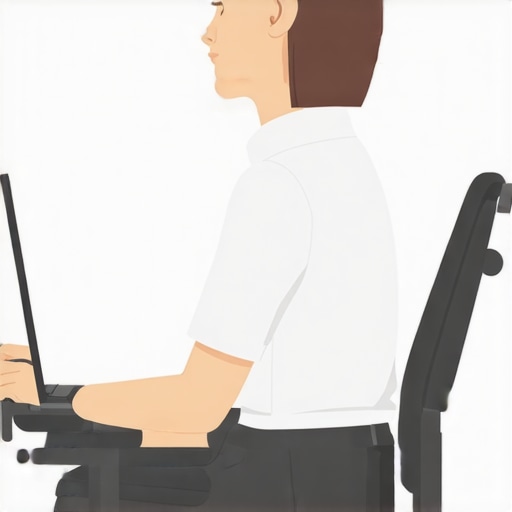 Maintaining healthy neck, back, and sciatic conditions requires more than just occasional stretches—it calls for a strategic approach using the right tools and routines. Personally, I rely on specific gear that helps me monitor progress and ensure consistency in my habits. One of my favorite devices is a portable **Inclinometer**—a small, handheld tool that measures spinal tilt with precision. I use it regularly to track my posture improvements, especially after implementing ergonomic adjustments. This device, which you can find for around $30 online, enables me to verify that my daily habits are aligned properly, preventing the recurrence of pain. Predicting future trends, I believe technology will continue to democratize access to biofeedback devices, making personalized spine health monitoring more affordable and accessible at home.
When it comes to software, I recommend using posture tracking apps like **Upright GO** or **Nekoze**. These apps sync with wearable sensors or use your phone’s camera to provide real-time feedback on your posture. I’ve integrated this tech into my routine, setting gentle reminders to adjust my sitting or standing position. This consistent awareness reinforces good habits, reducing the likelihood of long-term issues such as sciatic flare-ups or chronic neck tension.
Proper maintenance of your body involves regular check-ins with professionals. I schedule quarterly ergonomic assessments with a physical therapist who evaluates my workspace setup and movement patterns. These sessions are invaluable—they not only identify emerging misalignments but also tailor exercises specific to my evolving needs. Incorporating proactive visits keeps my mobility optimal and prevents minor discomforts from becoming serious problems.
Speaking of exercises, I utilize mobility devices like foam rollers and massage balls daily. Specifically, I use a **Tennis Ball** to self-massage tight knots in my upper back and shoulders, which can otherwise lead to nerve irritation and pain escalation. Rolling over trigger points with a tennis ball stimulates blood flow and releases muscle tension, effectively decreasing nerve compression related to sciatica or neck strain.
Looking ahead, I predict that wearable tech combined with AI algorithms will revolutionize how we maintain musculoskeletal health. Real-time data could alert you to harmful patterns before symptoms develop, fostering a preventive approach rather than reactive care. For anyone serious about keeping their neck and back healthy, I recommend starting with a simple step: invest in a reliable posture tracker or learn to use a tennis ball for targeted self-massage. Try integrating one of these tools into your daily routine—it might just be the key to lasting relief.
Need expert guidance? Research from the [Conquering Sciatica](https://bodyrenewtherapy.com/conquering-sciatica-proven-approaches-to-end-discomfort-now) resource offers detailed advice on maintaining long-term relief. Don’t wait for pain to worsen—take control today, and consider scheduling a professional evaluation to customize your maintenance plan. Remember, consistent use of the right tools combined with professional support is your best bet for sustaining mobility and avoiding future flare-ups.Through my journey managing neck pain, sciatica, and limited mobility, I discovered that many misconceptions and overlooked nuances held me back from true relief. One of the biggest lessons I learned was that pain isn’t always a straightforward signal of injury; sometimes, it’s a sign that my movement patterns needed recalibration. Recognizing this shifted my focus from solely seeking quick fixes to prioritizing personalized, strategic adjustments that addressed root causes instead of surface symptoms. Additionally, I realized that consistency in small habits—like proper posture, targeted exercises, and regular self-assessment—far outweighs occasional treatments. This insight empowered me to take ownership of my health, integrating practical tools and mindful routines into my daily life, which ultimately led to lasting improvements not just in pain levels but in overall mobility. These lessons aren’t just theory—they’re the culmination of personal trial, error, and expert guidance, and I hope they inspire you to view your neck and back health through a more informed and compassionate lens.