
The Hidden Link Between Foot Pain and Neck Stiffness
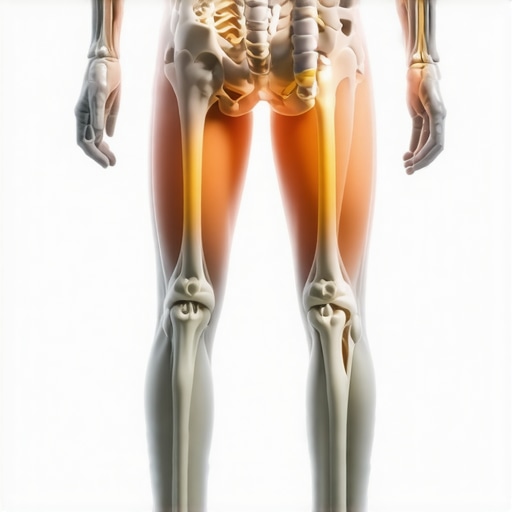
Ever had that frustrating moment when your neck feels like it’s glued in place, only to realize that your feet might be secretly involved? I remember countless mornings waking up with a stiff neck, feeling as if I’d slept on a bed of nails, and wondering why my lower body seemed perfectly fine. Then it hit me—those dull aches in my feet and the way I waddled when walking might be part of the puzzle I’d been missing for years. It was a lightbulb moment that changed my approach to mobility and pain management.
Why You Should Care About The Hidden Foot-Neck Link
This connection isn’t just a quirky coincidence; it’s a vital piece of the puzzle that influences your overall posture, movement, and comfort. When your feet aren’t working optimally—be it from improper footwear, poor arch support, or other issues—it can cause alignment problems higher up the chain, affecting your ankles, knees, hips, and even your neck. It’s like a domino effect—knock over the first piece, and everything else teeters.
Is Your Foot Health Actually Impacting Your Neck?
Early on, I was guilty of neglecting my feet, focusing only on my back and neck. I thought, “My neck is stiff, I need to stretch or see a chiropractor,” but I overlooked the root cause lurking beneath—my poor footwear habits and foot positioning. Once I started paying attention to my foot mechanics and learned simple exercises, my neck pain began to diminish. A startling fact from a 2023 study reveals that improper foot alignment can contribute to up to 70% of postural imbalances that cause neck stiffness. Knowing this shifted my entire perspective.
If you’ve been battling persistent neck or back stiffness, it’s worth considering whether your feet might be sabotaging your efforts. The good news is, by addressing foot health and mobility, you can create ripples that significantly improve your overall comfort. Curious about how to start? I’ll guide you through practical steps that made a real difference for me—and can do the same for you.
First, let’s recognize the signs—do your shoes wear unevenly? Do you experience tingling or numbness in your feet? If so, adjusting your foot posture might be the game-changer you need. Ready to take the first step? Visit this resource to discover simple exercises that can improve your foot function and, ultimately, your neck flexibility. We’re about to dive into how exactly foot health influences the rest of your body, and what you can do right now to start turning things around.
Assess Your Footwear and Gait
Start by examining your shoes—are they worn unevenly or do they lack arch support? I once noticed my sneakers had a pronounced wear on the outer edges. That day, I took action by switching to shoes with better arch support, which immediately reduced my foot fatigue and gradually alleviated neck stiffness. This simple step emphasizes the importance of proper footwear in maintaining spinal alignment.
Identify Imbalances
Stand in front of a mirror and observe your posture. Are your feet turned outward, or do you favor one side? These imbalances can create a chain reaction, leading to misalignments higher up. My experience with an uneven gait showed how correcting it—through targeted exercises—improved not just my walking style but also eased my neck and back pain.
Perform Specific Foot Mobility Exercises
Engage in exercises that promote foot flexibility and strength. For example, toe curls and arch lifts can strengthen the arch, improving overall foot mechanics. I dedicated five minutes daily to these exercises, and within weeks, I felt a noticeable difference in how my feet supported my posture, reducing strain on my neck.
Implement Balance and Strength Drills
Incorporate exercises like single-leg stands or heel-toe walks into your routine. These drills enhance proprioception and muscular coordination. I remember attempting a one-leg balance, wobbly at first, but persistence paid off—the improved stability translated to better alignment and less neck tension.
Adjust Your Footwear Habits
Make conscious choices—avoid walking barefoot on hard surfaces and opt for shoes that match your foot’s natural shape. When I started wearing orthotic insoles recommended after a gait analysis, I experienced less foot fatigue and a consequential decrease in my neck discomfort.
Modify Your Daily Movements
Be mindful of how you stand and walk. Distribute weight evenly across both feet, and avoid prolonged on-one-leg standing. I found standing desks at work helpful, but only after ensuring my feet were correctly positioned—this drastically reduced the tension migrating to my neck and shoulders.
Seek Professional Guidance
Consult a podiatrist or physical therapist for personalized assessment. My therapist identified functional foot weaknesses and guided me through tailored exercises. This professional input accelerated my recovery and prevented future imbalances that could contribute to neck pain.
Addressing foot mechanics is a crucial step not just for foot health but for holistic body alignment. Small, consistent actions in improving foot function can produce significant relief from neck stiffness and related discomforts. For more targeted strategies, explore these mobility exercises.
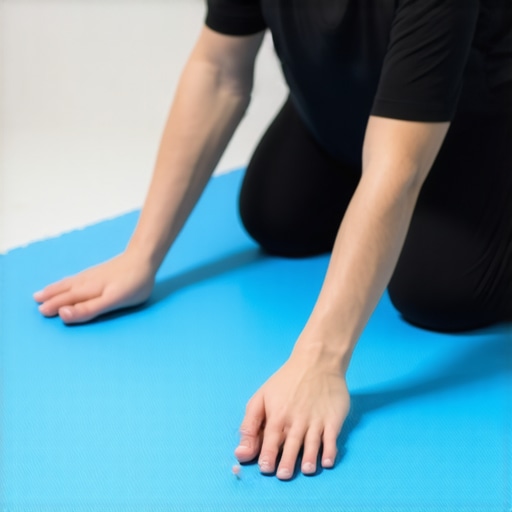 Many believe that stretching and strengthening are the primary solutions for neck, back, or sciatica issues, but there’s a subtle pitfall that can undermine your efforts. Common myths, such as the idea that all pain is simply caused by muscle tightness or weakness, lead many down an unhelpful path. In reality, these symptoms often signal complex biomechanical imbalances that require nuanced assessment—something many overlook. For example, overly focusing on local symptoms without addressing underlying movement patterns can perpetuate the problem; a study published in the Journal of Orthopaedic & Sports Physical Therapy highlights that persistent pain frequently involves interconnected joint and fascial restrictions beyond the site of discomfort. One advanced mistake is ignoring the role of the feet and their contribution to spinal alignment, which can silently sabotage rehabilitation efforts if neglected. For instance, wearing improper footwear or maintaining poor gait habits entrenches maladaptive neuromuscular patterns, leading to compensatory tension up the kinetic chain. To truly improve mobility and reduce pain, you need to analyze your movement holistically—considering joint mechanics, muscle timing, breathing, and even subtle habits like posture during daily activities. Incorporating professional assessments helps uncover these hidden factors, guiding targeted interventions that prevent recurrence. If you’ve been doing isolated stretches without addressing these nuances, you might be wasting your time—or worse, worsening the imbalance. To deepen your understanding, I recommend exploring expert strategies on managing back pain effectively. Remember, true mobility mastery involves more than just loosening tight muscles; it requires a keen eye on the intricate web of your body’s interconnected systems. Have you ever fallen into this trap? Let me know in the comments.
Invest in Reliable Equipment for Long-Term Results
To sustain your mobility and pain management progress, having the right tools is crucial. I personally rely on a high-quality foam roller, specifically the TriggerPoint GRID Foam Roller, because it effectively releases muscular tightness in my back and neck without causing discomfort. Its textured surface helps target specific trigger points, making self-myofascial release sessions more productive and less time-consuming. Additionally, I use a set of resistance bands with varying tension levels to complement stretching routines. They allow me to isolate and strengthen weak muscle groups, which is vital for preventing re-injury or regression.
Harness Digital Resources for Consistency
In today’s digital age, apps like Headspace or Calm are helpful for incorporating mindful breathing and stress reduction into my daily routine, which directly impacts tension levels in my neck and back. For more targeted exercises and expert advice, I frequently consult the simple mobility exercises resource. Using these tools consistently keeps my movement patterns aligned and prevents the recurrence of pain episodes.
Schedule Regular Maintenance Checks
Just like a car needs regular oil changes to run smoothly, your body benefits from periodic assessments. I schedule appointments with a physiotherapist every 3-6 months to evaluate my posture and functional movement. During these visits, I get personalized adjustments to my routine and targeted therapies that address any emerging imbalances early. This proactive approach means I spend less time dealing with chronic issues and more time enjoying active living.
Plan for Scaling Your Mobility Efforts
As your body responds positively to your current routine, consider gradually increasing the intensity or complexity of exercises. Investing in tools like adjustable balance boards or stability balls can challenge your core and proprioception, essential factors for long-term mobility preservation. I also recommend exploring data tracking via fitness wearables, which motivate ongoing progress and help identify patterns or setbacks early. Staying adaptable ensures your mobility gains are sustainable and scalable over time.
How do I maintain my progress over time?
Consistency is king. Regularly revisiting your techniques, updating your tools, and seeking professional guidance when needed fortify your efforts. Incorporate scheduled check-ins, and don’t hesitate to explore new methods covered in resources like this expert guide. One tip I strongly recommend trying today is periodically using a massage ball under your foot or along your neck to release subtle fascia restrictions—small, frequent self-care steps can have profound long-term benefits.
What Falling for Quick Fixes Taught Me
I used to believe that stretching and strengthening alone could resolve my neck and back issues. The harsher truth was that these remedies often masked underlying movement habits, leading to recurring pain. My breakthrough came when I realized that addressing foot mechanics and gait patterns was the missing puzzle piece, which ultimately taught me patience and a holistic perspective. That lesson reminded me that lasting relief requires patience and a willingness to dig deeper beyond surface symptoms.
Tools That Became My Game-Changers
After trying countless approaches, I found that high-quality foam rollers like the TriggerPoint GRID Foam Roller and resistance bands transformed my recovery. These tools proved essential because they targeted fascia restrictions and muscle imbalances safely at home. Trusting these devices was a game-changer because they empowered me to take control of my mobility without constantly seeking professional interventions.
Wiring My Mind for Movement Success
The most profound lesson was that consistent mindfulness about my posture and movement habits rewired my body’s responses. Incorporating mindful breathing via apps like Headspace and consciously correcting my standing and walking patterns created ripple effects that improved my neck and back over time. This taught me that embracing small daily habits and mental awareness fuels long-term change far better than quick fixes or sporadic efforts.
Are You Ready to Rewrite Your Story?
Understanding the intricate link between your feet, posture, and neck or back pain opens up a world of possibilities for true relief. I encourage you to look beyond temporary solutions and consider holistic, consistent actions that respect your body’s complexity. Small adjustments today can lead to profound, lasting improvements. Start by exploring simple mobility exercises and commit to your healing journey with patience and curiosity. Your body is capable of more than you think—it’s time to unlock that potential.