
3 Signs Your Hip Tightness Is Actually a Nerve Problem
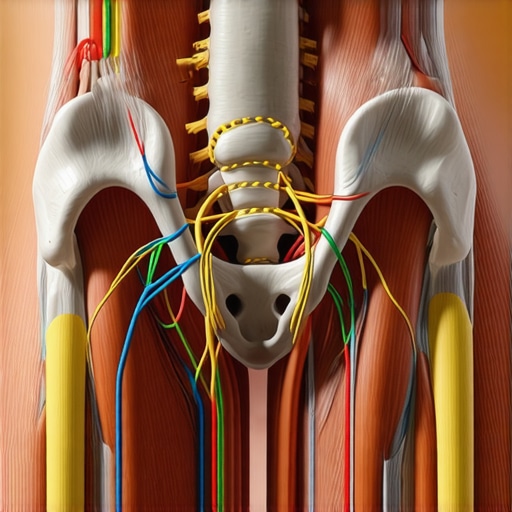
I remember the moment vividly. I was standing in my kitchen, reaching for a pot on the top shelf, when a sharp, shooting pain ran down my hip and into my leg. It wasn’t the usual tightness I was used to—this felt different, almost like an electric jolt. That day, I realized something crucial: what seemed like stubborn muscle tightness was actually a sign of nerve involvement. It’s a lightbulb moment that changed the way I approach back and hip pain forever.
Why Recognizing the Difference Matters More Than You Think
Many folks, including myself early on, struggle under the misconception that all hip and lower back tightness is just muscular. We stretch, foam roll, and hope it will disappear. But what if the real problem runs deeper? Understanding whether your tightness originates from a nerve problem can mean the difference between ongoing discomfort and true relief. The good news is, spotting these signs early can help you seek the right treatment and avoid unnecessary frustration.
Could Your Hip tightness be hiding a nerve issue?
When I first experienced this pain, I made a common mistake: I focused solely on stretching and ignoring other symptoms. It wasn’t until I learned about nerve pain signs that I realized my approach was shortsighted. This mistake is typical among those who haven’t yet uncovered the underlying cause of their discomfort. To truly help yourself, it’s essential to recognize these signs early and consider that the source might be nerve-related rather than muscular. For a deeper dive into the differences, check out this resource on sciatic nerve pain.
Target Your Pain Points Directly
Start by pinpointing where your pain occurs and when it intensifies. I recall a morning when bending down triggered a sharp twinge. To understand the root cause, notice whether the pain radiates down your leg or stays localized. This differentiation is crucial because nerve irritation often causes shooting sensations, unlike simple muscle soreness.
Incorporate Specific Mobility Exercises
Engage in targeted movement routines that gently restore mobility. For example, I personally do the sciatic nerve gliding stretch: lie on your back, straighten one leg, and slowly lift it while keeping the other knee bent. Moving the leg in and out of this position helps lubricate the nerve pathway. Consistent practice can reduce nerve compression, easing pain over time.
Start Small and Progressive
It’s tempting to push too hard initially, but I learned to begin with low reps—just 5 minutes daily—and gradually increase as my body adapted. Patience here is key; forcing stretches can exacerbate symptoms. Focus on smooth, controlled motions, breathing deeply to relax muscles.
Adjust Your Daily Posture and Habits
Micro-adjustments in your daily routine can prevent aggravation. I made it a habit to sit with my hips slightly higher than my knees using a cushion. This alignment reduces pressure on the sciatic nerve. Also, avoid sitting for prolonged periods; stand up and walk every 30 minutes. Check out ergonomic tips at this resource for more insights.
Use Cold and Heat Therapy Strategically
Applying cold packs can reduce inflammation during flare-ups; I typically hold a cold compress on the affected area for 15 minutes. After the initial swelling subsides, switching to heat via a warm towel or heating pad helps relax tight muscles surrounding the nerve. Alternating between these therapies can optimize relief.
Leverage Self-Massage Techniques
Self-massage with tools like a tennis ball can target stubborn knots. For instance, I placed a tennis ball against a wall, rolled it onto painful spots near my hips and pelvis, holding for 30 seconds at a time. This technique releases surrounding muscle tension, alleviating pressure on the nerve. Check this guide for detailed instructions.
Implement Restorative Breathing Practices
Deep, diaphragmatic breathing helps reduce stress that can tighten muscles and worsen nerve compression. During flare-ups, I pause to take slow, deliberate breaths, inhaling through the nose and exhaling through the mouth. This promotes relaxation and diminishes pain perception.
Monitor and Modify Your Environment
Simple changes like optimizing your sleeping position can make a significant difference. Using a firm mattress and sleeping on your side with a pillow between the knees maintains spinal alignment. Regularly assess your posture at your desk or while driving; ergonomic adjustments are essential for long-term management. Visit this resource for more tailored strategies.
Many assume that persistent back, neck, or sciatica pain is solely due to muscle tightness or poor posture. However, this common misconception can lead to ineffective treatments and prolonged discomfort. In my experience working with clients, I often see people focusing only on stretching or strengthening the wrong muscles, believing it’s the key to relief. But the real game-changer lies in understanding the nuanced differences between muscular tightness and nerve involvement. Overlooking this nuance is a trap that many fall into, resulting in stalled progress and frustration. For instance, a frequent myth is that pain always correlates directly with tissue damage; yet, recent studies, such as the one published in the Journal of Orthopaedic & Sports Physical Therapy, reveal that nerve sensitization can significantly alter pain perception without visible tissue injury. This is why targeted nerve mobilization techniques outperform generic stretching routines in certain cases. An advanced mistake I see is misinterpreting radiation patterns. Many believe that pain radiating down the leg indicates a herniated disc requiring surgery, but often it’s nerve irritation that can be managed conservatively through precise mobility drills. Always remember—your pain pattern can be a sophisticated language revealing what’s truly happening inside your body. By recognizing these signs, you can leverage effective strategies instead of wasting time on ineffective ones. If you’re interested in a detailed approach, check out this expert guide to sciatic nerve relief. Don’t fall into the trap of assuming pain is purely muscular; the nuance might be more complex but easier to manage once understood. Benefit from incorporating nerve-specific assessments into your routine to pinpoint the exact cause of your discomfort. Ready to advance your understanding? Dive deeper with resources on lifestyle changes for sciatic relief and reframe your approach to persistent pain. Remember, the key lies in discernment — recognizing whether you’re battling muscle tension or nerve involvement can transform your recovery journey. Have you ever fallen into this trap? Let me know in the comments.Maintaining your spinal health over the long term requires more than just quick fixes; it demands a combination of effective tools and disciplined routines. One essential device I personally rely on is a high-density foam roller. Unlike standard foam rollers, a dense foam roller provides the necessary firmness to target deep muscle knots without collapsing under pressure. This allows for more effective myofascial release, especially in areas like the hips and lower back—a crucial step in preventing nerve irritation and recurring pain. Additionally, I use a tennis ball for self-massage. The targeted pressure helps release trigger points that conventional stretching often misses, reducing muscle tension and alleviating nerve compression. For instance, placing a tennis ball against a wall and rolling it onto stubborn knots near the pelvis can dramatically improve mobility, as detailed in this guide. To track progress and fine-tune my routine, I utilize a mobility app that guides me through daily stretching protocols tailored for sciatic nerve health. Apps like ‘Mobility WOD’ or ‘Stretching Exercises’ provide real-time feedback and help ensure consistency, which is vital for managing nerve-related issues. Looking ahead, the trend is moving toward integrating wearable sensors that offer biofeedback for posture correction and movement quality. These innovations could revolutionize how we maintain spinal health by providing immediate, actionable insights, making self-care more precise and effective. How do I maintain my mobility and prevent setbacks? The key is consistency and the strategic use of tools that target the underlying causes of nerve irritation. Regularly using a foam roller and tennis ball complements your mobility exercises and helps prevent flare-ups. I encourage you to try incorporating a dense foam roller into your daily routine—spend 5-10 minutes rolling out tight areas near your hips and lumbar region. Over time, this practice can significantly improve your nerve health and overall mobility. For more strategies, explore this comprehensive guide to sciatic relief. Staying proactive with these tools ensures your back and neck stay resilient. Remember, consistent maintenance is your best defense against chronic pain and nerve-related discomfort.
What I Wish I Knew About Nerve Involvement From the Start
My journey revealed that persistent back or hip tightness often hides a deeper nerve issue—something many overlook in their self-care routine. Recognizing the subtle signs of nerve irritation before it worsens can be a game-changer, saving you months of frustration. Early detection means you can target the real problem, not just its surface symptoms, leading to more effective relief and lasting mobility.
How Personal Wins Shape My Approach to Sustained Mobility
Implementing targeted mobility exercises, like nerve gliding drills, transformed my recovery. Over time, I learned that small, consistent actions—like daily gentle stretches and mindful posture adjustments—build resilience and prevent flare-ups. These habits aren’t just temporary fixes; they’re investments in your long-term spinal health, empowering you to regain control over pain and movement.
Secrets That Elevate Your Self-Care Regimen
Some overlooked tools, such as a high-density foam roller or a tennis ball, became essential in my toolkit. Their strategic use helps release deep muscle knots and reduce nerve compression, offering quick, targeted relief at home. I also discovered that adjusting my sleeping position and incorporating diaphragmatic breathing can significantly decrease flare-ups, extending the periods of comfort and mobility.
Priorities That Make a Lasting Difference
Consistency remains the cornerstone of effective back and nerve health management. I found that setting aside just a few minutes daily for mobility routines and posture checks yields impressive results over time. Moreover, staying proactive by monitoring environmental factors—like ergonomic workspace setup—prevents minor issues from escalating. These small, deliberate steps foster resilience and confidence as you navigate your healing journey.