
Why Your Upper Back Feels Like It Needs to Pop Every Hour
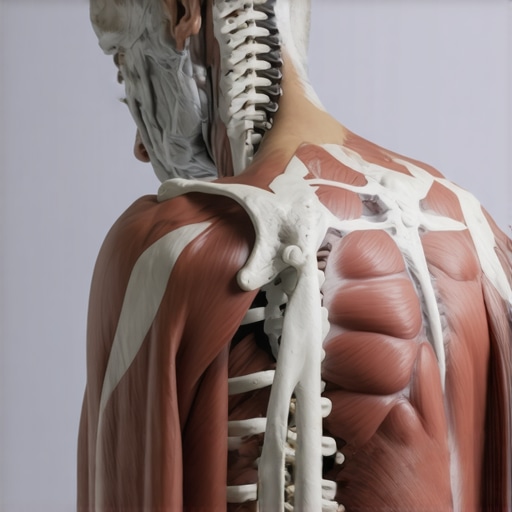
Ever found yourself sitting at your desk, feeling that unmistakable tightness in your upper back, and then suddenly, out of nowhere, it demands a little pop? That sensation is more common than you might think, and for years, I brushed it off as mere inconvenience. But one day, I realized it was a sign my body was crying out for help. That lightbulb moment made me dig deeper—because I was tired of the constant discomfort and the fleeting relief from cracking my neck or back repeatedly.
The Annoying Feeling of Your Upper Back Wanting to Pop Every Hour
That persistent urge for your upper back to release — it can be downright exhausting. You might notice it more when you’re working at your computer, scrolling on your phone, or even just relaxing on the couch. It’s like your muscles are broadcasting a distress signal, saying, “Help! Something’s off here.”
For me, it wasn’t just about the feeling; it disrupted my day, pulled my focus away, and left me wondering, “Is this normal?” Interestingly, this sensation isn’t just a quirky quirk. It often reflects underlying issues like poor posture, muscle tension, or even nerve irritation. And here’s the kicker: ignoring this sensation can sometimes lead to more serious problems down the line.
After years of trial, error, and a few missteps — including doing the wrong stretches and over-relying on quick fixes — I finally uncovered what was really happening. And I promise, with a little understanding and some simple adjustments, you can break free from this cycle too. Today, we’re going to explore exactly why your upper back feels like it needs to pop constantly and how you can restore comfort and mobility.
Could This Feelings Signal Something More Serious?
It’s natural to be skeptical. I remember early on, I thought I just needed to crack my back more often. Turns out, making that mistake can do more harm than good, especially if you’re masking pain that could indicate something more serious. According to recent studies, persistent upper back discomfort can sometimes be a sign of misaligned posture or nerve compression. So, before jumping into endless cracking, it’s wise to evaluate your habits and seek proper guidance if needed. Want to learn more? Check out [here](https://bodyrenewtherapy.com/neck-pain-solutions-proven-techniques-to-regain-your-range-of-motion).
Strengthen Your Posture to Combat Persistent Back Tension
Begin by addressing your daily habits. I vividly recall a morning I spent alternating between slouching at my desk and trying to straighten up. I started with simple posture exercises, like shoulder blade squeezes—pinching my shoulder blades together and holding for five seconds, then releasing. This movement is akin to closing a drawstring; it trains your back muscles to support proper alignment. Regularly performing these helps stabilize your upper back, reducing the constant urge to pop. To deepen this practice, incorporate exercises from posture correction techniques and, over time, you’ll notice an easing of discomfort.
Implement Daily Mobility Routines for Lasting Change
Next, focus on mobility. I once set aside five minutes daily to perform the thoracic spine rotation—lying on my side with my arms extended and slowly twisting my upper body back and forth like turning a dial. Imagine unwrapping a tightly coiled spring; this gentle movement releases trapped tension and improves flexibility. Consistent practice with such movements, like the ones outlined in mobility exercises, can dramatically decrease the feeling that your upper back needs to crack constantly.
Optimize Your Work Environment for Better Support
Another crucial step involves your workspace setup. I realized that my monitor was slightly too high, forcing my neck into an awkward position, which amplified upper back strain. Adjust your chair and monitor so your eyes are level when looking straight ahead; this is key to avoiding neck and shoulder tension. Consider ergonomic tools like lumbar cushions or footstools, which distribute pressure evenly. As discussed in ergonomic tips, small tweaks here can significantly reduce strain and prevent the cycle of discomfort that triggers the popping sensation.
Engage Your Deep Core to Reduce Back Stress
Developing a strong core acts like a natural corset, supporting your spine and easing upper back pressure. I incorporated pelvic tilts—lying on my back with knees bent, flattening my lower back against the floor by engaging my abdominal muscles. This movement is similar to gently tucking your pelvis; over time, it teaches your muscles to stabilize your spine. Find effective techniques in core activation exercises. Building this strength helps prevent your muscles from overcompensating, which is a common cause of the frequent popping feeling.
Adopt Gentle Stretching for Immediate Relief
Finally, I learned that gentle stretching can provide quick relief. For instance, the doorway chest stretch, where you place your arms on the doorframe and step forward, opens up the chest and relieves the back of unnecessary tension. I combined this with side bends—standing tall and leaning gently to each side—like stretching a rubber band, which mobilizes the thoracic spine. Regular stretching can break the cycle of tension buildup, diminishing that insistent urge for your upper back to pop.
When it comes to managing back, neck, and sciatica pain, many believe they already know the essentials. However, some common assumptions can actually hinder progress and lead to more persistent issues. Let’s examine a few overlooked nuances that can make all the difference in effective treatment and prevention.
**The Complexity of Mobility and Flexibility**
Many assume that stretching is the universal fix for all joint stiffness and pain. While flexibility is important, overdoing stretching—especially static stretches—can sometimes exacerbate underlying problems, particularly if there’s an undiagnosed disc issue or nerve irritation. Instead, integrating dynamic mobility exercises as discussed in [mobility mastery](https://bodyrenewtherapy.com/mobility-mastery-daily-tips-to-keep-your-spine-and-joints-healthy) offers a more nuanced approach that targets functional movement patterns.
**Myth of Rest as the Solution**
A prevalent misconception is that rest alone will resolve back or neck pain. In reality, prolonged inactivity can weaken muscles, reduce joint lubrication, and lead to stiffness. The body thrives on controlled movement, which helps maintain tissue health and neural function. For guidance tailored to your specific condition, consider exploring [restorative mobility strategies](https://bodyrenewtherapy.com/unlocking-mobility-expert-tips-on-managing-back-pain-in-2025).
**The Onset of Pain Doesn’t Mean Damage**
Many believe that pain equates to serious injury requiring rest or even imaging. However, pain often reflects muscular tension, postural imbalances, or neural sensitivities rather than structural damage. For example, issues like sciatica can sometimes be alleviated through nerve glide techniques outlined in [sciatica relief secrets](https://bodyrenewtherapy.com/sciatica-relief-secrets-how-to-banish-pain-quickly-today) rather than invasive interventions.
**Beware the Sedentary Trap**
A common pitfall is assuming that sitting less is always better. Yet, complete avoidance of sitting can weaken core and postural muscles, worsening imbalance. The key is in *how* you sit and incorporating regular movement breaks. Proper ergonomic setups and daily micro-movements, such as those described in [ergonomic tips](https://bodyrenewtherapy.com/enhance-your-back-mobility-ergonomic-tips-for-everyday-comfort), can prevent many issues.
**Is Fitness Really the Enemy?**
Some think that physical activity might worsen pain, leading to unnecessary rest. But, avoiding movement can perpetuate stiffness and muscular weakness. The right exercises—guided by a professional—are essential. Learn more about safe routines at [back pain breakthroughs](https://bodyrenewtherapy.com/back-pain-breakthroughs-navigating-your-path-to-restored-mobility).
**The Nuance of Posture Over Time**
It’s a myth that perfect posture is static or that adjusting it once is enough. Postural habits are dynamic and influenced by daily activities, environments, and even emotional states. Ongoing awareness and modifications, such as those promoted in the [posture correction techniques](https://bodyrenewtherapy.com/understanding-the-link-between-poor-posture-and-chronic-back-pain), are vital.
Let’s be clear: overcoming chronic pain requires a nuanced understanding of the interconnected systems in our body. Approaching these issues with awareness of common myths and pitfalls can significantly improve outcomes. Have you ever fallen into this trap? Let me know in the comments, and remember—true progress comes from understanding the subtleties.
Maintaining your spinal health over time requires more than just occasional stretches and good habits; it demands the right tools and a proactive approach. As someone deeply invested in this journey, I’ve found that specific equipment and techniques can make all the difference in sustaining results and scaling your progress effectively.
Invest in Quality Ergonomic Equipment
First and foremost, a supportive ergonomic chair is non-negotiable. I personally use a chair with adjustable lumbar support and seat depth to keep my pelvis aligned and reduce undue pressure on my lumbar discs. When setting up your workspace, ensure that your monitor is at eye level, and your keyboard and mouse are within comfortable reach. This setup minimizes neck and upper back strain, preventing the cycle of discomfort that triggers the constant need to pop.

Use Foam Rollers and Trigger Point Tools
Self-myofascial release tools like foam rollers and massage balls are indispensable for breaking down muscle tension. I find a medium-density foam roller works best for my thoracic spine and upper back; rolling gently for 1-2 minutes each day, especially after prolonged sitting, helps maintain mobility and prevents stiffness. For deeper trigger points, a tennis ball or specialized massage ball can target stubborn knots—just lie on your back and apply gentle pressure on tight spots, helping to release fascial restrictions that compromise posture and movement.
Research by Myburgh et al. (2014) highlights how regular self-myofascial release can improve flexibility and reduce pain, making it a proven component of long-term management. Incorporating these tools into your routine ensures sustained benefits beyond initial recovery.
Leverage Mobile Apps for Consistent Practice
Technology can be a game-changer. I use apps that remind me to perform mobility drills, track my progress, and guide me through proper stretching routines. For example, apps with video tutorials on thoracic rotations or deep core activation ensure proper technique and prevent setbacks caused by improper form. Consistent use of such apps cultivates discipline and helps instill new habits that last a lifetime.
Predicting the Future of Mobility Maintenance
The trend is shifting towards integrated biofeedback devices and AI-driven programs that adapt to your progress and provide real-time feedback. Wearable sensors could soon automatically correct your posture or alert you when tension starts to build—personalized, responsive coaching at your fingertips. Staying ahead of this curve means investing in current tools and being open to emerging tech that simplifies long-term care.
How do I keep my back and neck healthy for years?
Consistency is key. Make it a habit to incorporate daily mobility routines, use supportive tools intentionally, and stay informed about new technologies. Regularly revisiting your setup and adjusting tools as your needs evolve ensures you won’t just recover from pain but will maintain peak mobility and comfort—scaling your progress steadily over time. For detailed insights into strengthening your deeper core muscles, check out this guide and try integrating a dedicated core activation exercise into your daily routine.
The Hardest Lesson I Learned About Mobility and Back Pain
One of the most profound realizations was that progress isn’t linear; setbacks are part of the growth process and often reveal unseen weaknesses or habits that need attention. Embracing patience and consistency transformed my approach, helping me see discomfort as a signpost rather than an obstacle.
3 Myths About Neck Pains That Could Be Holding You Back
Believing that all neck pain requires aggressive stretching or that resting forever is the answer can prevent you from discovering effective strategies. Challenging these myths opened doors to safer, more targeted techniques like nerve glide exercises and posture tweaks that truly make a difference.
What Experts Won’t Tell You About Persistent Back Popping
Many think cracking their back is harmless, but understanding the underlying causes—like muscle imbalances or nerve irritations—can guide safer, more sustainable solutions. Educating myself about these subtleties shifted my focus from temporary relief to long-term health.
My Essential Toolkit for Lasting Mobility
Investing in quality ergonomic tools, self-myofascial release devices, and tracking apps has been transformative. These tools aren’t just gadgets; they’re partners in my ongoing journey to maintain spinal health and prevent relapses.
Where to Go from Here to Keep Your Back Happy
Curating resources like specialized blogs, professional guidance, and community support creates a personalized roadmap. Continuous learning and proactive habits turn mobility from a fleeting goal into a sustainable lifestyle.
Your Next Step Toward Freedom from Back and Neck Tension
Remember, addressing persistent discomfort is a journey filled with discoveries. Embrace the process, celebrate small wins, and share your experiences—your story can inspire others to begin their own path to lasting relief. Have you ever struggled to find what truly works for your neck or back? Share your story below and let’s support each other in this healing journey.