
How to Tell if Your Headache is Coming From Your Cervical Spine
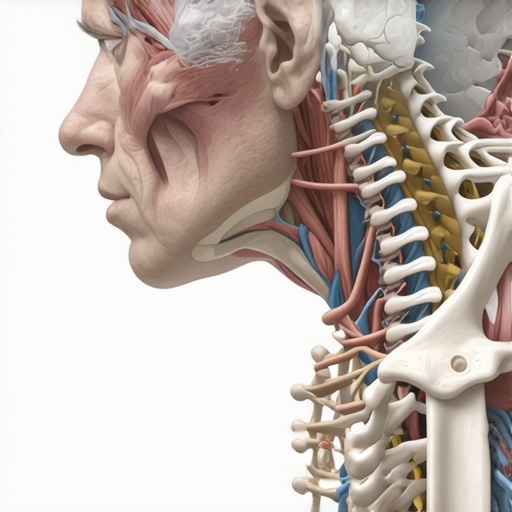
Ever had one of those mornings where a dull ache in your neck gradually morphs into a pounding headache, and you wonder, "Is this just a regular migraine or something more sinister?" I used to brush off those dull neck twinges, thinking they were just from poor posture or a restless sleep. But one day, I experienced a terrible headache that wouldn't budge, and that's when I realized—sometimes, your neck could be the root of your pain. This lightbulb moment changed everything for me, and I want to share what I learned so you don't have to go through the same frustrating maze.
Why it matters to distinguish the cause behind your headaches
Figuring out whether your headache stems from the cervical spine isn’t just about easing discomfort; it’s about understanding your body better and avoiding unnecessary treatments. Chronic neck pain and headaches are closely linked, and if you’re not aware of that connection, you might end up chasing symptoms instead of solutions. Proper diagnosis can lead to targeted relief techniques that restore your mobility and reduce pain effectively. Interestingly, research indicates that up to 60% of chronic headaches are related to cervical spine issues, highlighting how vital this knowledge is for anyone prone to neck tension or head pain.
Have you ever blamed your headache on stress or dehydration only to realize it’s your neck causing the mischief?
Early in my journey, I made the mistake of dismissing minor neck tightness, thinking it would go away on its own. That oversight delayed my progress and prolonged my discomfort. Trust me—acknowledging the role of your cervical spine is a game-changer. For more effective strategies on how to address neck and back issues, I recommend visiting this guide on revitalizing your neck. The key is not just in understanding what’s wrong but in taking intentional steps to correct it, which I’ll cover in the upcoming sections.
The path to relief starts with awareness, and once you can identify the signs linking your neck to your headaches, you’ll be empowered to take meaningful action. Ready to dive into the practical steps that can help you tell if your headache is cervical in origin? Let’s get started.
Perform Gentle Self-Assessment to Detect Neck Involvement
Start by gently moving your neck through its natural range of motion, noting any pain, stiffness, or unusual sensations. I remember one morning when I tried this simple test, and a specific twist triggered a sharp twinge on the right side. That clue pointed me toward cervical issues. Use your fingers to palpate the neck muscles, looking for tender spots or knots. Being aware of tightness or discomfort in key areas helps confirm if your headache could be linked to neck dysfunction.
Implement Targeted Mobility Exercises for Immediate Relief
Incorporate gentle stretches that increase neck flexibility. A simple move involves slowly tilting your head side to side, holding each position for 15 seconds, and avoiding any pain. I favored this routine daily, which gradually improved my range. For more advanced techniques, consider exploring neck mobility exercises. Proper exercise helps reduce muscle tension that compresses cervical structures, diminishing headache severity over time.
Adopt Posture Habits to Prevent Future Tensions
Pay attention to your daily posture—whether working at a computer or using your phone. Imagine your spine as a stack of coins—if one is misaligned, the entire stack wobbles. I caught myself slouching during long work sessions and set reminders to sit upright. Use ergonomic setups to support your neck, like adjusting your monitor to eye level. Check out posture correction strategies that prevent the cervical strain from recurring.
Incorporate Self-Massage to Release Muscle Knots
Use a tennis ball or massage tool on tight neck areas. For instance, pressing gently along the trapezius muscle relieved pressure I felt after a lengthy computer session. Roll the ball over tender spots for 20 seconds each; this breaks down adhesions and relaxes muscles. Regular self-massage fosters circulation, helping nutrients reach stressed tissues and reduce headache triggers.

Practice Controlled Breathing to Calm Nerve Tension
Engage in diaphragmatic breathing techniques—inhale deeply through your nose, allowing your belly to rise, then exhale slowly through your mouth. I found that focusing on breath reduced my neck-induced headaches within minutes. Incorporate this practice during breaks or before bed to soothe nerves and decrease muscular in-tension associated with neck pain.
Use Heat or Cold Therapy to Alleviate Discomfort
Apply a warm towel or heating pad to tense neck muscles for 15-20 minutes. Conversely, if inflammation is suspected, cold packs can reduce swelling. I experimented with both, noticing that heat eased stiffness, while cold stopped sharp sensations. Alternating these treatments can be beneficial—try to identify which provides more relief for your symptoms.
Seek Professional Guidance When Necessary
If self-care doesn’t resolve persistent headaches linked to neck issues, consult a healthcare provider. Techniques like spinal adjustments or targeted physiotherapy might be necessary. I visited a specialist who guided me through specific manual therapies, accelerating my recovery. Visit professional techniques to explore effective solutions tailored to your needs.
Many individuals approach mobility and pain relief with misconceptions that hinder progress. One common myth is that stretching alone can resolve all back or neck issues. While stretching is beneficial, relying solely on it without addressing underlying fascia restrictions or joint mobility limitations can lead to temporary relief at best. Expert insights, such as those shared by Dr. Stuart McGill, highlight the importance of integrating strength training with mobility exercises for holistic recovery. Additionally, many believe that pain is always a sign of damage needing rest or immobilization. In reality, pain often signifies protective muscular responses or nerve irritation that require targeted movement rather than complete rest. An advanced nuance often overlooked is the subtle difference between joint mobility and soft tissue flexibility. Improving one without the other can be ineffective. For instance, focusing only on muscle lengthening may leave joint restrictions unaddressed, perpetuating discomfort. This is why techniques like joint mobilizations, which are often misunderstood as invasive or unnecessary, can be remarkably effective when performed correctly (learn more here).’,’image’:null,When it comes to maintaining your mobility and preventing recurring pain, having the right tools and a consistent routine makes all the difference. Personally, I swear by a combination of ergonomic accessories, targeted mobility devices, and disciplined habits that keep my spine in check. In this section, I’ll share the most effective tools I’ve integrated into my regimen to ensure long-term results.
First, a high-quality cervical support pillow has been transformative for my sleep quality and neck alignment. Unlike generic options, I opt for memory foam pillows with adjustable loft, which I customize based on my sleeping position. This personalized support helps maintain proper cervical curvature overnight and reduces morning stiffness. For ongoing management and relief, I also use a Theracane or similar massage stick to address muscle knots—especially around the traps and suboccipital muscles. These handheld tools allow me to target hard-to-reach areas, easing tension that could otherwise trigger headaches or neck discomfort.
Another cornerstone in my maintenance arsenal is a foam roller designed for my back and hips. Not all foam rollers are equal; I prefer ones with a firm yet forgiving surface that supports my lumbar and thoracic regions without causing extra strain. Regular gentle rolling enhances my soft tissue flexibility and breaks down fascial adhesions that could limit mobility. To complement this, I include a compact mobility ball in my routine—perfect for releasing tight spots around the pelvis and hips which often impact spinal health.
I also leverage technology with a posture correction device that vibrates gently whenever I slouch. This real-time feedback is instrumental in retraining my posture during long work hours. Consistent posture awareness prevents the micro-movements that aggregate into chronic pain. For further guidance, I highly recommend reviewing techniques outlined in [this resource on revitalizing your neck](https://bodyrenewtherapy.com/revitalize-your-neck-effective-techniques-for-lasting-pain-relief), which details advanced strategies to complement these tools.
Looking ahead, I predict that integrating smart sensors with AI-driven feedback will become the norm for personalized posture and movement training, making long-term maintenance more accessible and less reliant on manual self-awareness.
**How do I keep my mobility sustainable over time?** The key is consistency. Setting daily reminders to perform these routines and periodically updating my tools keeps my body adaptable and resilient. When you’re invested in proactive maintenance, you’re less likely to face setbacks from back pain, sciatica, or neck issues. For a detailed, step-by-step process, I encourage you to try some of the techniques discussed in [this expert-guided approach](https://bodyrenewtherapy.com/neck-pain-solutions-proven-techniques-to-regain-your-range-of-motion). Remember, small daily habits build the foundation for lifelong mobility.
Lessons That Challenged My Assumptions About Neck Pain
One unexpected insight I gained was recognizing how overlooked joint restrictions can perpetuate discomfort, leading me to incorporate joint mobilizations rather than relying solely on muscle stretches. I also learned that pain isn’t always a sign of damage but often a protective response, making gentle movement more effective than complete rest. Finally, understanding the significance of daily habits, from posture to breathing, transformed my approach from reactive to proactive in managing neck and back health.
Tools That Became My Allies in Maintaining Mobility
I trust the ergonomic and mobility tools recommended in this resource because they’ve provided real, lasting benefits. A supportive memory foam pillow helps maintain proper alignment during sleep, while a foam roller with the right firmness addresses fascial restrictions. I also rely on a posture correction device for real-time feedback, and a massage stick helps target stubborn knots, all of which support my commitment to long-term health.
Your Path to Lasting Neck Comfort Starts Today
Remember, the journey toward pain-free mobility is personal and ongoing. With awareness, the right tools, and consistent effort, you can reclaim your neck and back health. Don’t wait for pain to become overwhelming—start integrating these insights into your daily routine now, and enjoy the benefits of a more resilient spine and a happier, healthier life.