
3 Signs Your Mattress Has Lost the Support Your Spine Needs
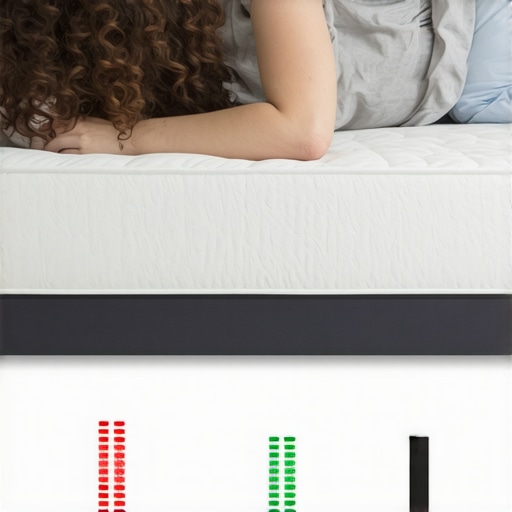
I remember waking up one morning, feeling a stabbing pain in my lower back that I couldn’t shake off. No matter how many stretches I tried or cushions I added, the discomfort lingered like an unwelcome guest. It was only after some digging that I realized my mattress might be the culprit—something I had overlooked for too long. That lightbulb moment changed everything for me.
You see, many people don’t realize their sleep setup is quietly undermining their spinal health. A sagging, unsupportive mattress can subtly disrupt your posture night after night, leading to persistent pain and mobility issues. If you’ve been experiencing waking up stiff, aching, or with a nagging neck pain, your mattress could be to blame.
Let’s be honest—investing in a good mattress can feel like a gamble. You might wonder, “Is this really the issue?” or worry about spending money on things that won’t make a difference. Trust me, I made the mistake early on of dismissing my mattress as just a sleeping surface, only to realize it played a crucial role in my back health.
Today, I want to share with you how to identify the signs that your mattress has lost the support your spine desperately needs. Recognizing these signs early can save you from years of discomfort and help you find lasting relief.
Why Your Mattress Might Be the Hidden Enemy of Your Back
A mattress’s role isn’t just to provide comfort; it needs to support your body’s natural curves and maintain proper alignment through the night. Over time, even the best mattress will wear down—becoming lumpy, sagging, or uneven—much like a tired pair of shoes. Sleeping on a compromised surface can strain your muscles and ligaments, creating a ripple effect that manifests as chronic pain, stiffness, or nerve discomfort.
Research shows that poor sleep support is linked to increased back pain. In fact, a study published in the *Journal of Manipulative and Physiological Therapeutics* highlights how mattress firmness and support influence spinal health and pain levels. If your mattress no longer provides proper alignment, your body compensates, leading to misalignments and long-term issues.
Now, you might question, “How do I know if my mattress is the problem?” This is a common concern, and I’ll walk you through the key signs. But first, let me ask you—have you recently started waking up with aches you didn’t have before? If so, keep reading, because the next steps could be revealing the cause.
Let’s explore the three unmistakable signals that your mattress might be sabotaging your spinal support, and what you can do about it.
Identify the Signs of a Worn-Out Mattress
Start by lying down in your usual sleeping position and observe how your body feels after a few minutes. Are your hips or shoulders sinking excessively? Do you wake up feeling stiff or achy? These are indicators that your mattress may no longer be providing adequate support.
Perform a Simple Support Test
Place a straight object, like a broomstick or long level, across your mattress when you’re lying flat. Check if the line remains level or sags in the middle. A noticeable dip suggests uneven support, which can force your spine into misalignment during sleep.
Micro-Story: My Experience with Support Testing
Once, I performed this test and noticed a significant sag in my mattress’s center. Recognizing this, I replaced it, and within a week, my mornings felt less stiff, and my back pain decreased. This simple step clarified the importance of proper support in my sleep environment.
Align Your Spine with Sleep Position Strategies
Adjust your sleeping posture to maintain natural spinal curves. For side sleepers, a pillow between your knees can help; back sleepers benefit from a pillow under the knees. Proper alignment reduces strain on the lower back and neck, preventing pain buildup.
Choose the Right Mattress Firmness
Firmness affects support. A medium-firm mattress often balances comfort and support, promoting proper spinal alignment. If you feel your current mattress is too soft or too firm, consider testing different options designed for back support, like memory foam or latex models specifically tailored for spinal health.
Incorporate Daily Mobility to Support Your Back
Complement mattress improvements with mobility exercises. Regularly practicing moves like gentle spinal twists or hip openers enhances flexibility, reduces stiffness, and counteracts the negative effects of sub-par sleep support. Explore effective techniques here: boost your back mobility.
Most people think they understand what causes back pain, sciatica, and neck discomfort, but many of these beliefs are myths that can hinder effective recovery. One widespread misconception is that pain always indicates damage severe enough to require surgery. In reality, pain often results from functional issues like muscle imbalances or nerve sensitivities, not structural damage.
Another myth is that complete rest speeds healing. Contrary to this belief, staying immobile for extended periods can weaken supporting muscles and prolong recovery. Gentle movement, guided appropriately, actually promotes circulation and helps restore mobility. Check out our neck pain relief techniques for safe movement strategies.
Beware of the trap that all exercise is good for back pain. Not all movements are beneficial, especially if performed incorrectly. For example, certain traditional sit-ups can strain your spine rather than strengthen it. Instead, focus on core stabilization exercises that support your lower back, as discussed in mobility exercises that actually make a difference.
Many believe that sciatic pain will resolve on its own, but delaying treatment can lead to chronic issues. Proven approaches, including targeted physical therapy and lifestyle adjustments, can provide relief and prevent long-term nerve damage. Read more about effective sciatic relief strategies.
From my experience, one of the most insidious myths is that poor posture is the main villain. While posture plays a role, underlying factors like muscle weakness, flexibility deficits, and joint mobility are often the real culprits. Addressing these nuances yields far better results. Want to optimize your back health? Explore lifestyle changes for back pain and see what truly makes a difference.
Don’t fall for the misconception that hearing a clicking sound during movement is always bad. Sometimes, it’s harmless joint movement or minor ligament adjustments. But persistent or painful clicking warrants professional evaluation. Mistaking normal sounds for sinister issues can lead to unnecessary worry or neglect of serious problems.
Having embedded these myths into your understanding can create a trap that delays effective care. Recognizing the nuances—like differentiating between benign joint sounds and signs of instability—empowers you to take precise action. Ever fallen into this trap? Let me know in the comments and share your experiences. Remember, a deeper understanding is the first step toward lasting relief.Maintaining back health is an ongoing journey, and having the right tools can make all the difference. One essential piece of equipment I personally swear by is a high-density foam roller. I use it daily to release muscle tightness, improve flexibility, and prevent the muscle imbalances that often lead to sciatica or neck pain. Unlike cheaper foam rollers, my preferred high-density model offers greater durability and targeted trigger point release, which ensures I can perform effective self-myofascial therapy without risking deterioration.
Another game-changer in my routine is a set of adjustable resistance bands. They’re incredibly versatile for strengthening core stabilizers and supporting muscles, which are crucial when you want to prevent long-term issues. I particularly recommend bands with a wide elastic range, allowing for progressive overload, which is essential for rebuilding weak muscles that often contribute to recurring pain.
To monitor progress and keep myself accountable, I rely on a digital posture tracking app. These apps, like AlignMe, utilize your smartphone camera to assess your spinal alignment in real-time. I use this before and after mobility exercises to evaluate improvements and identify areas needing extra work. As technology advances, I’d predict that future apps will integrate AI, providing personalized routines based on your exact posture patterns.
When it comes to tools for maintaining long-term mobility, incorporating ergonomic modifications is crucial. For example, I upgraded my workspace with an adjustable sit-stand desk that allows me to switch positions throughout the day. Prolonged sitting is a nightmare for spinal health, so I also use an anti-fatigue mat to reduce joint compression during standing periods. These ergonomic strategies, combined with mobility exercises, significantly diminish discomfort and support sustainable health.
For extending the benefits of these tools, I recommend integrating daily mobility drills. Exercises like the thoracic bridge or pelvic tilts can be performed in just a few minutes and have been shown to mobilize key spinal segments effectively. You can find detailed tutorials on mobility exercises that I incorporate regularly.
Looking ahead, I’m convinced that the evolution of smart wearable tech will revolutionize back health management. Devices that track posture in real-time and provide immediate corrective feedback will become commonplace, making it easier to prevent issues before they escalate.
**How do I maintain my back support tools over time?** Regular cleaning is vital—foam rollers pick up dust and debris that can diminish their effectiveness, so I wash mine monthly. Resistance bands can stretch out or fray; inspecting and replacing them annually maintains safe and effective resistance levels. Updating ergonomic setups as your workspace evolves ensures continuous comfort. As technology advances, keeping your digital tools updated is essential to benefit from new features and improved accuracy.
To truly optimize your spinal health, I recommend trying a high-density foam roller combined with resistance bands. These tools offer immediate relief and support long-term mobility gains. For a quick start, explore the mobility routines that complement these tools and can be integrated into daily habits. Consistency is key—small, daily interventions build resilience against pain and stiffness, helping you stay active and pain-free for years to come.
What My Hidden Battle Taught Me About True Support
One of the most powerful lessons I learned was that superficial fixes only mask deeper issues. Before truly understanding my back pain, I relied solely on painkillers and quick stretches, which provided temporary relief but never addressed the root cause. Recognizing that my mattress was a silent contributor allowed me to shift toward genuine support—replacing my old mattress and adopting proper mobility routines. This shift not only alleviated my pain but also transformed my approach to back health, reminding me that sometimes, the most overlooked detail holds the key to lasting relief.
Tools That Gave Me Hope and Results
Over the years, I’ve come to trust certain tools that genuinely support back health. A high-density foam roller became my daily go-to for releasing muscle tension—its durability and targeted trigger point release made it indispensable. Resistance bands offered versatile strengthening options, helping me rebuild core stability safely at home. Incorporating a digital posture tracker like AlignMe allowed me to monitor my alignment in real-time, ensuring I stayed on track. These tools have personally made a difference, and I recommend exploring them as part of your journey toward mobility and pain-free living.
Embrace Your Path to Movement Mastery
Remember, lasting back health isn’t about quick fixes; it’s a continuous journey. By paying close attention to your support systems, investing in reliable tools, and committing to daily mobility practices, you can reclaim movement and reduce discomfort. I encourage you to start small—try a simple mobility routine or assess your mattress support—and gradually build your resilience. Your progress might surprise you, and every step forward makes a difference. Share your experiences below: have you discovered a tool or habit that truly changed your back health? Let’s support each other in this shared journey toward better mobility.