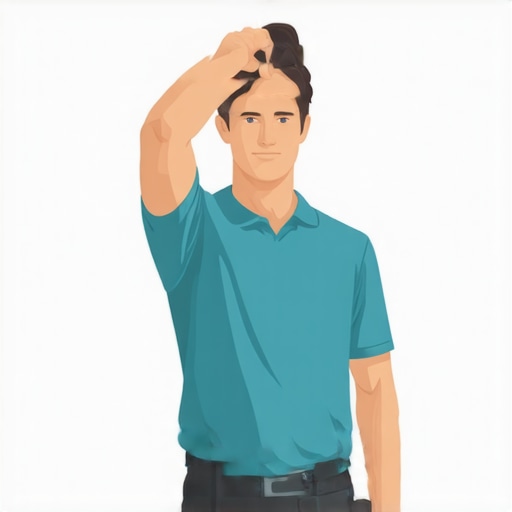
I remember the exact moment I realized I couldn’t ignore my sciatic pain anymore. It was a bright Saturday morning, and I was trying to chase after my kid in the park when a sharp, shooting sensation shot down my leg. I froze, teeth clenched, desperate to keep moving but utterly immobilized by discomfort. That lightbulb moment shook me—I knew I had to find a real solution, not just another temporary relief.
The Struggle Behind the Sciatic Pain
For months, I had been battling a nagging ache in my lower back, which often escalated into nerve pain that radiated down my leg. The common advice was to stretch more or stay active—yet, nothing seemed to work long-term. I realized that my approach was missing a crucial piece: addressing the root causes rather than just symptoms. That’s when I discovered the significance of specific postural habits and targeted movements, like the simple-but-effective technique of stopping the habit of pulling your knee to your chest, which in 2026, has proven to be a game-changer.
Concerned About Investing Time in Yet Another Fad?
I get it. Over the years, I’ve tried countless “quick fixes” that promised relief but left me worse off. Early on, I made the mistake of dismissing these small, potentially effective changes as too minor to matter. Turns out, focusing on consistent, manageable habits—like proper *hip mobility exercises*—can drastically improve your quality of life. According to recent research, improving hip mobility alone can significantly reduce sciatic nerve compression and pain levels (source).
This is why I want to share my journey with you, so you don’t have to endure unnecessary frustration. In the upcoming sections, I’ll walk you through scientifically supported strategies to alleviate your sciatic pain—starting with a surprisingly simple habit correction that you can start today. Ready to reclaim your mobility? Let’s dive in and discover how this 2026 fix can change everything for you.
Identify and Correct Your Posture Habits
Begin by analyzing how you sit and move daily. I once noticed I was consistently slouching in my office chair, which worsened my sciatic discomfort. To fix this, I started sitting with my back fully supported, feet flat on the ground, and avoiding crossing my legs—these micro-adjustments significantly reduced nerve pressure. Try to avoid pulling your knee to your chest habitually, as it can tighten hip muscles and aggravate sciatic nerve irritation. A practical step is to set a timer every 30 minutes to check your posture and correct it. Incorporate ergonomic tips from this guide to make sitting more spine-friendly. Consistent adjustments in posture are foundational for long-term relief and mobility gains.
Integrate Targeted Mobility Exercises
Implementing specific mobility routines can loosen tight muscles constricting the sciatic nerve. I found that working on hip and lower-back flexibility led to immediate improvements. One effective move I adopted was the 2-minute hip reset, which you can learn here. This involves gentle hip circles and controlled lunges to release tension. It’s like untangling a knot—gently but persistently loosening tight bands restores movement. As I practiced daily, I noticed less pain during activities like bending or twisting. Incorporate exercises like glute bridges, piriformis stretches, and hamstring mobilizations, ensuring they are tailored to your current capability. Regularly engaging in mobility work keeps muscles supple and reduces nerve compression, creating a sustainable path toward recovery.
Position Your Body for Relief During Daily Activities
Everyday activities—lifting groceries, working at a desk, or driving—can exacerbate sciatic pain if your posture is off. I realized that my prolonged sitting during work was a culprit, so I adopted the 30-second posture checks, along with device adjustments. For driving, adjusting the seat to keep the knees slightly higher than hips can alleviate nerve strain—see this guide for detailed tips. During desk work, use supportive cushions and remember to take frequent breaks to stand or walk around. Small tweaks in how you position your body during routine tasks can prevent flare-ups and ease chronic discomfort, making daily mobility more manageable.
Develop a Consistent Movement Routine
Staying active is crucial, yet overdoing it can cause setbacks. I found that establishing a simple, manageable routine of gentle stretches and light movements kept my symptoms in check. One routine involved 5-minute morning neck and back mobility drills, which you can see here. Think of your body like a machine: regular lubrication prevents rust and breakdown. Incorporate daily walks, hip circles, and core engagement exercises, all tailored to avoid aggravating your sciatic nerve. Over time, consistency in movement not only reduced pain episodes but also fostered better posture and flexibility, enabling you to regain control over your mobility.
Monitor and Adjust as You Progress
Track how your body responds to these changes. I kept a simple journal noting which exercises relieved discomfort and which positions triggered pain. This feedback loop helps refine your routine and avoid stagnation. Use authoritative resources here to guide your adjustments. Remember, recovery is not linear—be patient, and modify your habits based on your evolving needs. Regular self-assessment ensures that your efforts translate into lasting mobility and pain reduction, turning small steps into a sustainable lifestyle change.
Many believe that simple stretching routines or aggressive workouts are the ultimate solutions for back, neck, or sciatica pain. However, as an expert with years of experience in rehabilitation and mobility optimization, I can tell you that there’s often a deeper misunderstanding—particularly about how our bodies adapt and respond to these interventions.
Common Myths That Can Sabotage Your Recovery
One pervasive myth is that all pain is purely mechanical and that increased mobility exercises always lead to better outcomes. While movement is essential, pushing too hard without understanding the underlying causes can do more harm than good. For example, aggressively stretching tight muscles before addressing joint stability or neuromuscular control often exacerbates issues, creating a cycle of flare-ups. Instead, evidence suggests that integrating controlled, core-strengthening movements with mobility work enhances long-term resilience (source).
Another trap is oversimplifying posture correction. Many focus solely on static alignment—thinking that standing tall or sitting perfectly will solve their pain. Yet, without considering dynamic movement patterns and how the nervous system controls posture subconsciously, these efforts may be superficial. Real improvements come from retraining movement habits, ensuring stability during real-life activities.
Beware of the One-Size-Fits-All Approach
A significant advanced mistake is adopting generic routines found online without personalizing them. Every individual’s anatomy, movement history, and pain triggers are unique. In my practice, I emphasize a tailored assessment—identifying specific movement deficiencies and compensations—before prescribing mobility interventions. This ensures that exercises target the root rather than just the symptoms. For smarter strategies, consider exploring expert-level guides on sciatica-specific fixes.
What About the Advanced Question
Why do some people experience persistent pain despite consistent mobility work? The answer lies in the complex interplay of neuromuscular control, fascia restrictions, and central nervous system sensitization. Recent research indicates that addressing only the muscular or joint aspects may be insufficient; integrating movement variability, soft tissue mobilization, and neuroplasticity strategies can accelerate recovery (source). Understanding this nuance helps prevent plateauing and promotes lasting relief.
Additionally, beware of the trap of ignoring body signals. Early warning signs like subtle stiffness or slight numbness should be investigated thoroughly—often they are precursors to more severe nerve compression. Regular self-assessment and consulting with knowledgeable practitioners can aid in catching issues before they escalate. Curious about how to fine-tune your approach? Check out this comprehensive guide.
In wrapping up, the journey to enduring mobility and pain relief is intricate. Recognizing that superficial fixes are insufficient and embracing personalized, nuanced strategies is key. Have you ever fallen into this trap? Let me know in the comments and share your experiences—sometimes, the biggest breakthroughs come when we examine what we’ve overlooked.
Keep It Working with Proven Tools and Strategies
Once you’ve established effective habits and routines for alleviating back pain, maintaining those improvements requires the right tools and ongoing support. In my personal practice and experience, having the right equipment and resources makes a significant difference in preserving mobility, preventing relapse, and scaling your progress over time.
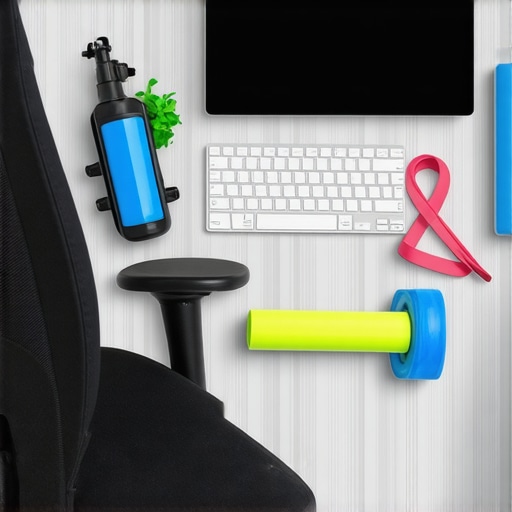
One of the most valuable tools I recommend is an ergonomic workstation setup. Investing in an adjustable desk, ergonomic chair, and supportive accessories can dramatically reduce the strain on your spine during daily activities. For example, a sit-stand desk allows you to alternate positions, decreasing the pressure that static sitting can impose on your lower back and sciatic nerve. Additionally, ergonomic accessories like lumbar support cushions and footrests help maintain proper alignment, which is critical for long-term health — especially if you work at a desk for extended periods.
Beyond furniture, I personally rely on mobility aids such as resistance bands and foam rollers. Resistance bands are excellent for strengthening the core and hip stabilizers, which are key in maintaining spinal health. Foam rollers, on the other hand, help release fascia restrictions that can perpetuate pain or reduce mobility. I specifically prefer high-density foam rollers, as they provide effective deep tissue massage without losing shape over time. Regular self-release with foam rollers complements mobility routines and ensures muscles stay supple, reducing the risk of flare-ups.
For tracking progress and maintaining motivation, I suggest using specialized apps like MyFitnessPal or motion-tracking tools tailored for rehabilitation—and sometimes even plain old journaling. Keeping a record helps identify patterns, triggers, or regressions, allowing you to adjust your habits accordingly. Moreover, consulting with practitioners through telehealth platforms can provide guidance on continued exercises or equipment modifications as your needs evolve.
The future of mobility maintenance likely lies in integrating technology. Emerging tools like smart posture trackers or AI-powered physiotherapy apps promise real-time feedback and personalized recommendations, making it easier to stay consistent. Incorporating these innovations can help scale your efforts more effectively and ensure long-term results.
How do I maintain mobility and back health over time?
The key lies in consistency, ongoing assessment, and leveraging the right tools. Regularly using ergonomic setups, strengthening with resistance bands, and employing fascia-release techniques like foam rolling can preserve your gains. Additionally, staying informed about advances—such as smart posture devices or AI-driven rehab programs—can help you adapt your approach as you progress. Remember, maintenance isn’t just about avoiding pain; it’s about creating a resilient body capable of handling life’s demands. For further guidance on establishing a sustainable routine, explore our detailed mobility maintenance strategies.
Ready to take your back health to the next level? Consider trying a targeted mobility routine with resistance bands or exploring ergonomic tools tailored to your workspace. Small, consistent investments today can lead to lasting freedom from discomfort tomorrow. Start with identifying one area that needs support, and implement a new tool or habit this week—your future self will thank you.
Throughout my experience with back pain and sciatic discomfort, I’ve uncovered lessons that go far beyond conventional advice—they delve into the subtle habits and mindsets that truly make a difference. One of the most eye-opening realizations was how seemingly insignificant daily choices can either trap you in pain or set you free. Small adjustments, like mindful posture checks or targeted mobility routines, build up over time into powerful tools for lasting relief. Embracing patience and consistency proved essential, reminding me that healing is not a sprint but a mindful journey of small, deliberate steps. Recognizing that every body responds differently (“your uniqueness is your strength”) has allowed me to tailor approaches, turning generic routines into personalized strategies. Perhaps most profoundly, I learned to listen to my body’s signals—not dismissing minor stiffness or discomfort but addressing them proactively, which prevented bigger issues from developing. These insights transformed my outlook from frustration to empowerment and can do the same for you—because understanding your body’s subtle cues unlocks a world of recovery potential you may have overlooked.