I remember the moment like it was yesterday. I was limping out of bed, groaning as the sharp sciatic nerve pain shot down my leg. Despite trying countless stretches and over-the-counter remedies, nothing seemed to ease that persistent ache. It felt like my body’s signals were screaming, “Something’s wrong!” But I was stubborn, desperate for a quick fix. Then a lightbulb went off: my hips might be the weak link, fueling that nerve pain.
Why Hip Stability Could Be Your Secret Weapon Against Sciatica
Here’s the truth I’ve learned from personal experience and years of research: hip stability plays a crucial role in managing and preventing sciatic discomfort. When your hips lack proper support and mobility, it places extra stress on your lower back and nerve pathways, aggravating pain. It’s not just about stretching the hamstrings or stretching your back—though those help too. Focusing on your hips can be a game-changer. Did you know that poor hip stability is linked to increased sciatic nerve irritation? According to recent studies, strengthening hip muscles can significantly reduce nerve compression and promote faster recovery (source).
Earlier in my journey, I made a classic mistake: I overlooked my hips and kept solely addressing symptoms elsewhere. I thought wearing a brace or simply resting would do the trick. But that only prolonged the pain. It wasn’t until I incorporated targeted hip stability moves that I finally saw real progress. If you’ve been battling sciatic pain without success, it might be time to consider this less obvious yet incredibly effective approach.
Now, I want to share the exact moves that helped me—and countless others—find relief quickly. These aren’t complicated exercises; they’re accessible and can be woven into your daily routine. Ready to start reclaiming your mobility and easing that nagging pain? Let’s dive into the practical steps to get you moving comfortably again.
Strengthen Your Hip Muscles Effectively
Start with bridges, a foundational move that activates your glutes and stabilizes your hips. Lie on your back with knees bent, feet flat on the ground, and lift your hips while squeezing your glutes. Think of it as anchoring your lower body to prevent nerve pinching. Remember, quality over quantity—aim for 2-3 sets of 10 repetitions daily. I vividly recall the first time I added bridges; initially, my hips felt tight and unresponsive, but persistence paid off as I noticed decreased sciatic discomfort.
Incorporate Controlled Hip Abductions
Stand next to a sturdy surface for balance. Slowly lift your leg sideways, focusing on engaging your outer hip muscles. Imagine opening a door with your leg—smooth, controlled motion. This exercise strengthens the muscles that keep your hips stable, reducing undue pressure on your sciatic nerve. During my early attempts, I struggled with balance, wobbling like a shaky table, but gradually my control improved, leading to noticeable pain reduction.
Practice Hip Flexor Releases and Mobilizations
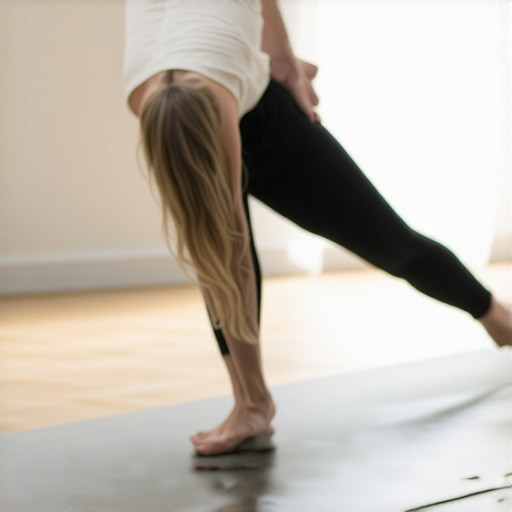
Use a foam roller or gentle stretch to target tight hip flexors. Position yourself in a lunge, placing the back knee on the ground, and gently push your hips forward. This stretch enhances mobility and alleviates nerve compression. Think of your hip flexors as the engine room of movement; if they’re stuck, your entire system suffers. I remember spending ten minutes daily on this stretch; over time, my hip stiffness dissolved, easing sciatica symptoms.
Add Dynamic Hip Swings Into Your Routine
Stand on one leg and swing the opposite leg forward and backward, like a pendulum. Keep movements controlled and within a comfortable range. These swings promote fluidity and joint health, preventing stiffness that can irritate the sciatic nerve. Initially, I felt unsteady, almost like a newborn fawn, but consistent practice built my confidence and reduced nerve pain episodes.
Integrate Daily Mobility Flows
Combine these exercises into a flowing routine—think of it as tuning your body’s engine. For instance, do bridges, then hip abductions, followed by flexor stretches, and finish with swings. Consistency is key; dedicate 10-15 minutes daily to this sequence. I personally found that sticking with this routine turned my discomfort into relief, restoring my ability to move freely. It’s like rewiring a circuit—small, repeated adjustments lead to lasting improvements.
To deepen your understanding, explore tips for simple exercises that improve mobility or learn how lifestyle changes can support your recovery here. Remember, integrating these movements regularly can prevent future flare-ups and help you regain control over your sciatica.
Most people believe that sciatica, neck pain, and back discomfort are straightforward issues solved simply through stretches or rest. However, as an expert who has worked extensively in musculoskeletal health, I can tell you that this common perception often leads to misguided attempts at relief. One critical nuance many overlook is how deeply interconnected these pain patterns are with underlying posture habits, movement quality, and forgotten muscle imbalances.
Myth Busting: Flexibility Isn’t The Whole Solution
Contrary to popular belief, flexibility exercises alone might not address the root causes of neural or musculoskeletal pain. For example, many patients focus solely on stretching tight hamstrings or hip flexors, thinking they will alleviate nerve impingements. But research shows that overemphasizing flexibility without strengthening stabilizing muscles can exacerbate problems (source). This is because joint stability often suffers when secondary muscles weaken, setting the stage for persistent pain cycles.
The Oops Trap: Ignoring Posture and Movement Mechanics
A common trap in back and neck care is focusing solely on symptoms rather than examining how daily habits contribute to the pain. For instance, long hours at a computer can lead to poor ergonomics, causing a forward head posture and rounded shoulders—key factors behind neck stiffness and headaches. Failing to address these habits means the pain is bound to recur despite temporary relief measures. To truly resolve discomfort, integrate awareness of your posture and movement patterns into your recovery plan. For further insights, explore how posture impacts chronic back pain.
Advanced Question: How Do Muscle Imbalances Trigger Nerve Compression Over Time?
This nuanced topic is often misunderstood. Muscle imbalances develop subtly—weak glutes and overactive hip flexors, for example, alter your pelvis positioning, increasing pressure on neural pathways. Over months or years, this can lead to nerve irritation or sciatica that worsens gradually. Recognizing and correcting these imbalances require more than generic strengthening or stretching; it entails targeted activation and release techniques. Studies report that addressing muscle imbalances with personalized routines offers longer-lasting relief than symptomatic treatments alone (source).
Beware of falling into the trap of generic routines that ignore these intricacies—what works for one person may not work for another. Instead, focus on comprehensive evaluations that uncover specific muscle and movement flaws. For example, strengthening your deep core muscles alongside hip stabilizers can make an enormous difference. To get started, consider consulting professionals who specialize in these advanced techniques to craft a tailored plan. Remember, understanding these hidden factors is key to breaking the cycle of chronic pain. Want to explore this further? Check out detailed strategies for top lifestyle changes for better mobility.
Keeping It Working with the Right Tools
Maintaining your back, neck, and mobility health over time requires strategic use of specific tools and techniques that support your progress. One essential device I personally rely on is the foam roller. Not just for stretch preparation, but as a daily self-mobilization tool, it helps release tight muscles that can irritate nerves and hinder recovery. I recommend using a high-density foam roller, focusing on areas like the hips, thoracic spine, and quads, to maintain tissue elasticity and joint mobility. Regular rolling after exercises enhances circulation and prevents fascial adhesions—something I integrated into my routine for sustainable relief.
Another critical asset is a mobility strap or resistance band. I use mine to perform controlled hip abductions and adductor stretches, which are excellent for strengthening stabilizers and correcting imbalances. These tools allow for gentle resistance, making exercises both effective and safe. For instance, during hip stabilization work, I use a resistance band just above the knees to activate my glutes and outer hips, reducing the risk of nerve pinching.
On the software front, I utilize habit-tracking apps that remind me to perform mobility drills and posture checks throughout the day. These apps help create consistency, turning routines into habits—something that has significantly improved my long-term results. As research indicates, consistency in movement and posture correction is key; tracking your behaviors can reinforce beneficial habits (source).
What About Long-Term Maintenance Strategies
Doing exercises is one thing, but maintaining spinal and muscular health requires ongoing attention. I recommend periodically revisiting comprehensive assessments with a professional who specializes in musculoskeletal health. They can identify emerging imbalances or poor habits before they become painful issues. Additionally, integrating ergonomic adjustments—such as standing desks, lumbar supports, and monitor placement—helps sustain your progress. I personally replaced my standard chair with an ergonomic model, which has reduced recurring discomfort and supported my daily mobility routines.
Looking ahead, I see wearable technology becoming more prevalent in health maintenance. Devices that monitor posture, movement patterns, and even muscle activation are advancing rapidly. In fact, some wearables now provide real-time feedback, prompting correction before pain develops. Staying ahead of these trends and embracing technology can prevent setbacks, like recurring sciatica or neck tension, and keep your body functioning smoothly for years to come.
How Do I Maintain Mobility Over Time?
Consistency is almost everything. I schedule short daily routines—typically 10 to 15 minutes—that combine stretching, foam rolling, and stabilization exercises. Doing so helps sustain flexibility and strength, reducing the chances of nerve irritation. Incorporating lifestyle habits, such as mindful sitting, regular movement breaks, and ergonomic setups, complements these efforts. The goal is to create an environment—both physically and habitually—that supports your backbone and nervous system over decades. For tailored strategies, consider consulting specialists who can craft personalized plans to address your unique needs.
If you want to dive deeper into specific tools that can transform your recovery, explore effective treatments to improve mobility. Remember, the key to lasting relief is not just one-time effort but a sustained, well-supported maintenance plan. And don’t forget to try one of my favorite advanced tips: incorporate a daily foam rolling session aimed at your hips and lower back—it’s a game-changer.
The Hardest Lesson I Learned About Sciatica and Mobility
One profound insight I wish I had embraced earlier was that quick fixes rarely lead to sustainable healing. Early on, I believed stretching more and resting longer would solve my sciatic issues. It wasn’t until I realized the importance of building foundational stability and addressing muscle imbalances that my pain subsided permanently. Patience and a tailored approach are truly vital, and rushing into routines can set you back.
My Secret Weapon for Lasting Improvement
Over time, I discovered that integrating foam rolling and targeted strengthening exercises into my daily routine made an incredible difference. These tools, combined with posture awareness, created a resilient body capable of withstanding everyday stressors. I trust these methods because they address the root causes rather than temporary symptoms. If you’re serious about recovery, investing in your mobility tools, like a high-quality foam roller or resistance bands, can accelerate your progress.
Keep Moving, Keep Healing
The journey to relief is continuous. I’ve learned that maintaining mobility isn’t a one-time effort—it’s an ongoing commitment. Daily habits such as ergonomic adjustments, regular stretching, and mindful movement habits lay the foundation for long-term health. Embracing technology, like posture-monitoring devices, can help you stay on track and prevent setbacks. Remember, the most effective recovery is rooted in consistency and self-awareness; your body will thank you for it.
Ever Wondered What Truly Holds You Back?
- The misconception that flexibility alone solves everything: Strengthening stabilizer muscles is equally important for a balanced and pain-free body.
- Ignoring the impact of posture habits: Small daily behaviors can stealthily cause setbacks in your recovery.
- Overlooking muscle imbalances: Targeted activation exercises are essential for correcting underlying issues that contribute to nerve compression.
- Neglecting long-term maintenance: Establishing routines and using the right tools guarantees lasting mobility and pain relief.
What Tools Are Changing the Game for Recovery
- Foam rollers: I swear by their ability to release fascial adhesions and improve circulation—invest in a high-density model for optimal results.
- Resistance bands: These are fantastic for strengthening hip stabilizers and correcting imbalances—adding resistance makes exercises more effective.
- Posture monitoring devices: Wearables that provide real-time feedback help reinforce healthy habits and prevent future flare-ups.
- Educational resources and guides: Staying informed through reputable sources ensures your routines are effective and safe.
Take Your Next Step with Confidence
Remember, overcoming sciatica and back pain isn’t just about quick relief—it’s about building a lifestyle that supports your body’s resilience. Stay consistent, embrace the right tools, and prioritize foundational strength. With patience and dedication, you can reclaim your mobility and enjoy a pain-free life. Ready to integrate these insights and tools into your routine? The path to lasting relief starts now.
Have you ever experienced a moment when changing just one daily habit made a real difference in your back or neck pain? Share your story below—I’d love to hear what worked for you!
,