
Why Dead-Hanging for Neck Pain Usually Backfires (And What to Do Instead)

I remember the exact moment I realized that some of my most trusted neck relief techniques were actually making things worse. I was hanging from a pull-up bar, trying to stretch out the tension lingering in my neck, only to end up with a pounding headache that lasted for hours. It was a lightbulb moment—sometimes the very method I thought would help, backfires spectacularly.
The Trap of Dead-Hanging: Why It Usually Backfires on Neck Pain
Dead-hanging, the act of hanging from a bar to decompress the spine and relieve neck tension, is often hailed as a miracle cure. But here’s the thing—what works for some, especially in theory, can be a disaster for many others. When I first started trying this stretch, I ignored basic biomechanical principles and my own body signals. The result? Worsening pain, increased stiffness, and frustration. That early mistake taught me a valuable lesson: not all relief techniques are suitable for everyone, especially without proper guidance.
Research supports this cautious approach. A study published in the Journal of Back and Musculoskeletal Rehabilitation indicates that improper traction or hanging positions can lead to increased muscle strain and nerve irritation if not performed correctly (source). Since then, I’ve been committed to exploring safer, more effective alternatives.
Are You Falling Into the Dead-Hanging Trap?
If you’ve ever tried hanging to relieve neck or back pain, you know the feeling—initial relief that quickly turns into discomfort or worse. I’ve come to understand that the cause of pain isn’t always solved through simple decompression; sometimes, it’s about addressing the root issues like poor posture, muscle imbalances, or nerve irritations. With this knowledge, I want to guide you away from potentially harmful routines and toward strategies that deliver real, lasting relief.
Let’s explore why dead-hanging often causes more harm than good—and, more importantly, what you can do instead to heal safely and effectively. Are you ready to discover proven techniques that beat the backfire? If you’ve ever experienced frustration with neck or sciatic pain after a hanging session, keep reading. The solutions I’ll share could change the way you approach your journey to relief—and save you from more setbacks.
Prioritize Gentle Movements Over Aggressive Stretching
Instead of jumping straight into hanging or other intense stretches that can backfire, focus on gentle, controlled movements. I remember once trying a basic cervical rotation exercise after a tense day at work. I slowly turned my head side to side, feeling a gentle stretch. The key is to avoid sudden jerks that can aggravate nerve irritation or muscle strain. This approach promotes healthier mobility and reduces the risk of worsening pain. Discover more safe techniques by visiting this guide on proven neck techniques.Many people assume that increased mobility automatically equals better health, but the reality is more nuanced. The common belief that stretching and flexibility exercises are universally beneficial often overlooks individual differences and underlying issues. For example, some individuals might experience worsening pain after aggressive stretching because their bodies need a more tailored approach that considers their unique biomechanics. A 2023 study in the Journal of Pain Research emphasizes the importance of personalized movement strategies, highlighting that one-size-fits-all solutions can be counterproductive (source).
Maintaining the progress you’ve made in alleviating neck, back, or sciatica pain requires more than just occasional stretches or exercises. It demands the right tools, consistent routines, and an understanding of long-term strategies. Over the years, I’ve curated a selection of equipment and methods that genuinely support sustained mobility and pain management. In this section, I’ll share the specific tools I personally rely on and how they contribute to my ongoing health journey.
Investing in Quality Mobility Aids
One of my top recommendations is the use of a foam roller, specifically the TriggerPoint GRID Foam Roller. Unlike cheaper alternatives, this roller offers durable density and multi-density zones, enabling targeted muscle release for the neck, back, and hips. I include it in my daily routine to prevent muscle tightness from building up, especially after long hours at a desk or intense workouts. Regular use helps maintain tissue elasticity and reduces the likelihood of nerve irritations that can lead to sciatica flare-ups. For more detailed guidance on effective rolling techniques, I suggest checking this resource on mobility improvement.
Utilizing Smart Technology for Consistency
Consistency is key for long-term relief. To stay committed, I use a device like the Apple Watch with activity tracking. It reminds me to move every hour and prompts specific stretches tailored to my needs. These reminders keep me mindful of posture and movement patterns, especially during sedentary periods. Additionally, I’ve integrated apps like StretchIt, which offers personalized stretching routines based on my flexibility progress. Combining technology with traditional methods ensures I don’t miss vital mobility work and helps track improvements over time. As research in neuroplasticity and movement habits shows, consistent small actions produce lasting benefits (source).
Prioritize Tools That Promote Self-Care and Knowledge
Education is a powerful tool. I regularly review resources like this comprehensive guide to refine my techniques. Continuing learning ensures that I adapt my routines based on new insights, preventing stagnation. Moreover, I invest in ergonomic accessories such as adjustable sit-stand desks and lumbar supports to support proper posture throughout the day, reducing the risk of strain accumulation.
How do I maintain mobility and pain relief over time?
Developing a sustainable routine requires integrating these tools into daily life. Regularly alternating between mobility exercises, neural gliding practices, and posture checks prevents plateaus. I also set periodic assessments, either through trained therapists or self-evaluations, to adjust my routines as needed. Remember, long-term results stem from consistency, personalized approaches, and the smart use of supportive equipment. If you’re serious about maintaining your mobility gains, I highly recommend trying advanced techniques such as nerve glide drills or ergonomic adjustments. Start small—perhaps by incorporating a targeted nerve glide exercise like the specific nerve glide—and observe how your body responds. Over time, these dedicated efforts will become second nature, ensuring your improvements stick.
Remember, the journey to lasting relief isn’t a quick fix but a commitment to ongoing care and smart tool use. Stay proactive, keep educating yourself, and don’t hesitate to reach out for personalized guidance—your body will thank you for the investment.
What I Wish I Knew About Moving Safely
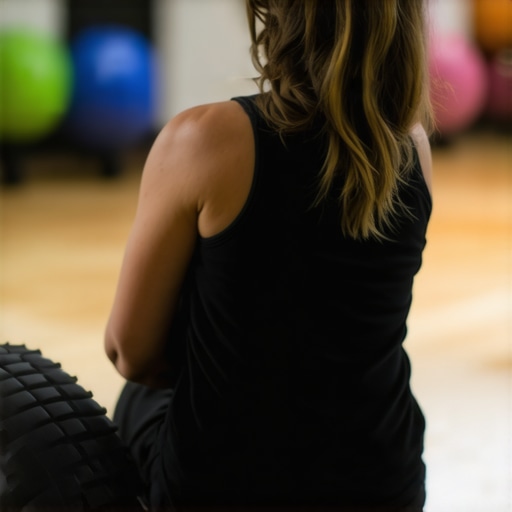
One of the hardest lessons I learned was that pushing through pain with aggressive stretches often does more harm than good. I once thought that forcing my neck into deeper stretches would bring instant relief, but instead, I ended up with increased discomfort and setbacks. Patience and gentle movements are truly the key to sustainable improvement.
Another insight was recognizing the importance of listening to my body. Ignoring subtle signals led me to overexert and exacerbate my issues. Now, tuning into those early signs allows me to adjust my routine before pain escalates, making recovery smoother and more predictable.
Lastly, I realized that not all top-down remedies are suitable for everyone. Some techniques I tried without proper guidance worsened my condition. Personalized routines crafted with expert advice make a tremendous difference, especially when dealing with complex issues like nerve irritation or muscle imbalances.
Tools That Changed My Approach to Neck and Back Relief
My go-to resource remains the comprehensive neck mobility guide. It offers tailored strategies that respect individual differences. The TriggerPoint GRID Foam Roller has been instrumental in maintaining tissue elasticity; its durability and targeted zones support my daily muscle releases. Additionally, integrating the Apple Watch with apps like StretchIt keeps me consistent and accountable with personalized routines. These tools combine technology and hands-on techniques, amplifying my progress and helping me stay motivated.
Each of these resources emphasizes sustainable practices over quick fixes, encouraging me to build habits that last. Knowing I have dependable tools helps me stay proactive, even during busy or stressful times.
Your Next Step Toward Lasting Mobility
Remember, taking small, consistent actions today can lead to transformative results tomorrow. Embrace gentle mobility exercises, invest in quality equipment, and stay curious about new techniques. Your journey to pain-free movement is uniquely yours, and the right tools make the path clearer. Why not start by exploring simple mobility exercises that fit into your daily routine? Your future self will thank you for the effort now. Are you ready to prioritize your movement and feel better every day? Share your experiences or questions below—I’d love to hear your story.