
How a single tennis ball can fix your foot and back pain
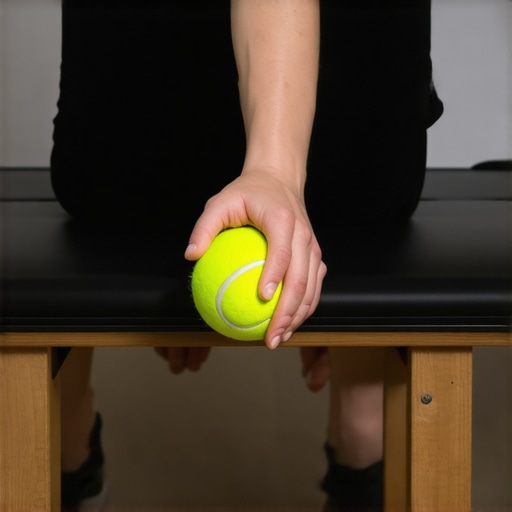
It was one of those mornings when I could hardly put my foot down without wincing. My back was stiff, my foot ache was worse after a night’s sleep, and I felt trapped in a cycle of discomfort that seemed impossible to escape. I tried everything—stretching, foam rolling, even desperate stretches in the shower—but nothing seemed to make a lasting difference. Then, almost by accident, I remembered something simple and surprisingly effective: a tennis ball.
The Game-Changer I Never Saw Coming
<-- The first major breakthrough in my journey toward pain relief came from an unexpected source—a small, fuzzy tennis ball. It sounds too simple, right? But the truth is, sometimes the smallest tools can have the biggest impact. When I began rolling my feet and lower back with that tennis ball, I noticed an almost immediate shift in how I felt. The tension melted away, my mobility improved, and I realized I had been missing out on a home remedy that’s right under our noses. This discovery was more than just a quick fix; it became a game-changer for my ongoing foot and back pain issues. So, I want to share this secret with you, not just because it worked for me, but because my experience is backed up by science and countless others’ success stories. Did you know that regular foot and back pain might stem from small, unnoticed muscle knots or tightness? According to a study published in the Journal of Bodywork and Movement Therapies, self-myofascial release—like rolling with a tennis ball—can significantly improve musculoskeletal pain and enhance mobility (Source: https://bodyrenewtherapy.com/mobility-mastery-daily-tips-to-keep-your-spine-and-joints-healthy). But before you dismiss this as just another fad, let’s explore why this simple tool could be exactly what your body needs. Many of us fall into a trap early on—believing that complex equipment or expensive treatments are the only solutions. I made that mistake myself, constantly chasing after advanced therapy options, instead of trying something as straightforward as a tennis ball. Trust me, I’ve learned that the best solutions often come from embracing the simple, and a tennis ball is at the top of that list. Now, I’m going to walk you through how to tap into this powerful yet humble tool for your own relief. If you’ve been battling foot pain, back stiffness, or sciatic discomfort, stick around. The secrets I’ll reveal next could transform your daily routine and free you from the pain that’s been holding you back.
Pinpoint the Tight Spots with Gentle Pressure
Start by locating tender areas around your foot arch or lower back. Use the tennis ball by placing it against a wall or the floor and gently rolling it over the area where you feel stiffness or discomfort. Remember, the goal isn’t to cause pain but to stimulate blood flow and release muscle knots. For instance, I vividly recall pressing the ball into my lower back after a long day, noticing immediate relief as tightness eased. Consistency here is key; aim for two-minute sessions on each spot daily.
Target Specific Muscles to Loosen Up
Focus on muscles linked to your pain, such as the piriformis, calves, or the muscles along your spine. For sciatic discomfort, targeted rolling on the glutes and hamstrings can be transformative. Think of your muscles as a tangled knot of yarn—instead of pulling, gently work out the tension layer by layer with the tennis ball. This method is especially effective because it reaches deep into fascial layers that traditional stretching often misses. Want to deepen your understanding? Check out how to unlock sciatic relief with tailored techniques here.
Stretch and Mobilize for Lasting Flexibility
After releasing muscle knots, follow up with dynamic stretches targeting the sides, hips, and back. For example, perform gentle hip circles or a modified pigeon pose—these movements help maintain the looseness gained during rolling. Imagine your muscles as a garden hose—initial pressure releases the kinks, but flexible movement keeps the water flowing smoothly. During my own routine, I used this combo and found my foot pain diminished over days, reinforcing the importance of combining pressure release with active mobility.
Incorporate Postural Awareness During Daily Tasks
Modify your habits to prevent re-tightening. Be mindful when sitting, standing, or lifting. Engage your core and avoid slouching, which can perpetuate knots and tension. For example, I adjusted my workspace setup, practicing ergonomic principles, leading to sustained relief. Small changes expedite recovery and prevent setbacks. For techniques on optimizing your posture, explore tips here here.
Integrate a Routine for Long-Term Benefits
Consistency turns these steps into a powerful defense against ongoing pain. Dedicate ten minutes daily—spend two minutes rolling your foot, two minutes on your lower back, and the remaining time stretching and postural drills. Over time, this cycle reduces muscle tightness, enhances circulation, and restores mobility. Remember, patience and persistence are crucial; my own journey involved messy mornings and moments of doubt, but sticking to the routine paid off. By integrating these actionable steps, you’re on a clear path to diminished foot and back discomfort—no fancy gadgets needed.
Many individuals believe that persistent neck and back issues are primarily caused by simple muscle strain or aging, but the reality is often far more nuanced. A common misconception is that rest is the best cure for chronic pain; in truth, prolonged inactivity can weaken supporting muscles and worsen symptoms over time. Researchers like Dr. Stuart McGill emphasize the importance of targeted movement and strengthening exercises, rather than just rest, for long-term relief (source: Back pain breakthroughs). Additionally, many assume that all pain signals indicate serious injury, leading them to avoid movement altogether, which can create a vicious cycle of stiffness and weakness—something I often warn against in my posts about mobility mastery.
Beware of the trap of oversimplification: believing that solutions like quick stretches or standalone treatments will resolve deeper musculoskeletal issues. For example, focusing solely on stretching tight hamstrings without addressing hip mobility and core stability can be a recipe for ongoing discomfort. An advanced mistake is neglecting the role of postural habits; sitting for extended periods with poor ergonomics can perpetuate pain cycles, emphasizing the importance of daily posture adjustments. For instance, the comprehensive analysis in lifestyle changes for sciatica shows how small adjustments reduce nerve compression and pain.
Why do so many get stuck in ineffective routines? Often, it’s because they overlook the three-dimensional nature of musculoskeletal health. Pain isn’t just a localized issue but involves nervous system feedback, fascial restrictions, and movement patterns. Understanding this complexity helps avoid advanced mistakes like relying solely on passive therapies—such as massages or cushions—without active engagement with strengthening and mobilization exercises. Research confirms that combining active mobility work with neural re-education produces better outcomes (source: unlocking mobility).
Sharp questions arise: How can someone distinguish between nerve-related pain and muscular strain? Nerve pain often radiates and follows specific patterns; in contrast, muscular discomfort tends to be localized and relieved by movement. For tailored advice, check out comprehensive guides like core strength issues. Remember, addressing the root causes with a detailed, strategic approach—rather than quick fixes—is essential for long-term health. Have you ever fallen into this trap? Let me know in the comments.
Maintaining progress after discovering effective pain relief techniques is crucial for lasting results, especially when dealing with neck pain, back pain, or sciatica. One of the most reliable ways to ensure ongoing mobility and reduce discomfort is investing in well-chosen tools that complement your routine. Over the years, I’ve refined my arsenal to include specific equipment that offers both convenience and biomechanical benefits. Here’s what I recommend and why.
Embrace the Foam Roller for Deep Tissue Mobilization
My go-to tool for maintaining flexibility and relieving knots is a high-density foam roller. I personally favor the proper technique for using a foam roller on my lower back, which prevents unnecessary strain and targets fascial restrictions. Regular use, about 3-4 times per week, helps my muscles stay supple, reduces trigger points, and keeps my mobility on point. Foam rolling is especially effective because it acts on the fascia, allowing you to address deep muscular restrictions that conventional stretching might miss.
Invest in a Tennis Ball for Targeted Release
Alongside the foam roller, I keep a tennis ball handy for pinpointing stubborn knots in my calves, glutes, and even along the spine. The beauty lies in its simplicity; I use it against a wall to roll over painful spots, applying just enough pressure to stimulate blood flow without causing pain. This method aligns with recent research highlighting self-myofascial release’s role in reducing pain and enhancing mobility (source). Regularly incorporating this technique prevents minor discomfort from escalating into chronic issues.
Ergonomic Support Continues to Be Key
While equipment is vital, maintaining ergonomic habits is equally important. I recommend an adjustable lumbar support cushion for your chair or car seat, which helps sustain spinal alignment during daily activities. Proper support reduces the muscle strain that often leads to re-injury or persistent pain. For instance, using a lumbar support helped me avoid slipping into poor posture during long workdays, thereby supporting my mobility goals.
Predicting the Future of Mobility Tools
As technology advances, I anticipate we will see smarter, wearable devices that monitor muscle tension, posture, and movement patterns in real-time. These innovations could offer immediate feedback, prompting users to correct bad habits before pain develops. The integration of AI and biofeedback might soon personalize pain management and mobility routines like never before.
Question: How do I maintain my mobility improvements over time?
Consistency is king. Using these tools regularly—paired with mindful movement, proper stretching, and ergonomic habits—ensures long-term success. I personally schedule weekly sessions with my foam roller and tennis ball, complemented by daily mindful postural checks. This proactive approach has transformed my recovery from reactive to preventive. For sustained mobility, I also update my routine based on progress and new insights, which you can explore further in resources like this article.
Start small: pick one tool—perhaps the tennis ball—and integrate its use into your daily routine. Over time, these small habits compound into significant long-term improvements. Remember, your body’s resilience depends on ongoing maintenance and strategic support.
The Hardest Lesson I Learned About Neck and Back Pain
One of the most profound realizations in my journey was acknowledging that quick fixes often mask deeper issues. I used to believe that stretching or massaging alone could resolve chronic discomfort, but I discovered that without addressing core habits and fascia restrictions, the pain would inevitably return. Embracing a holistic approach, combining myofascial release with mindful movement, was a game-changer—something I wish I’d understood sooner.
Why Relying on Expensive Treatments Might Delay Real Healing
Early on, I fell into the trap of seeking expensive therapies, thinking they held the sole key to relief. But the breakthrough came when I realized that simple tools like a tennis ball could effectively release muscle knots and improve mobility. This taught me that often, innovation is about embracing the basics—tools that are accessible, repeatable, and empower you to take control of your recovery. For more insights, explore how unlocking sciatic relief can complement self-care routines.
Seeing My Body’s Patterns Clearly Changed My Approach
Tracking how my posture and daily habits influenced pain was eye-opening. I realized that habits like slouching at my desk or wearing unsupportive shoes were undermining my efforts. This awareness motivated me to make small, consistent adjustments—like ergonomic tweaks and regular movement—which compounded into remarkable improvements. It’s a reminder that understanding our body’s subtle signals is vital to lasting change, as discussed in posture and pain.
When I Embraced Daily Rituals, My Mobility Flourished
Building a routine that prioritized daily mobility and self-myofascial release transformed my experience. Even ten-minute habits—like rolling my feet and gentle stretches—grew into pillars of support against discomfort. The key was consistency and patience, realizing that recovery is a journey, not a sprint. If you’re serious about your progress, I recommend exploring simple exercises that make a difference for sustainable results.