
The proper way to sneeze if you have a bad back
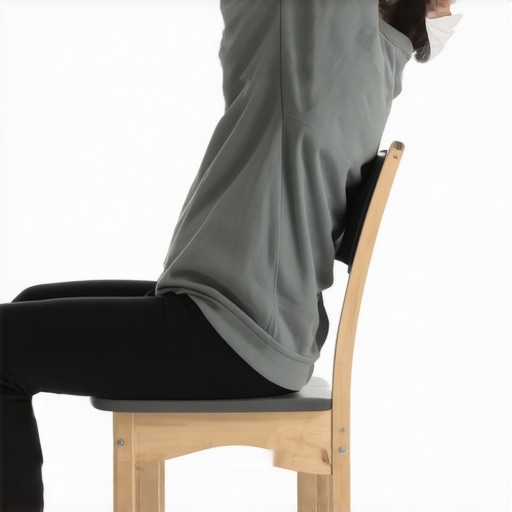
There was a morning not long ago when I felt a sneeze building up—suddenly, my entire lower back lurched with a sharp, stabbing pain that nearly brought me to my knees. It was a lightbulb moment: sneezing might seem like a simple reflex, but if you have a bad back, it’s a dance you can easily ruin if you’re not careful. Ever experienced a sneeze that left you hobbling or sneezing with dread, fearing the next? You’re not alone, and I’ve been there. Today, I want to share how you can sneeze properly—even with back pain—so you can avoid that painful aftermath and keep moving comfortably.
Why Sneezing Can Be a Back Saboteur
Most people don’t realize that a forceful sneeze can generate a sudden surge of pressure through your spine. If your back muscles are weak or already strained, that quick burst can cause more damage than you think. I learned this early on when a particularly forceful sneeze resulted in a week of discomfort, hobbling around like an old man. It was a wake-up call—and a reminder that even the most natural reflexes require mindful execution when your back isn’t in its best shape. According to recent studies, a forceful sneeze can generate up to 3,000 newtons of pressure—a considerable amount, especially if your core and back muscles aren’t ready to handle it. Restoring your mobility and protecting your spine during everyday actions like sneezing should be part of your pain management toolkit.
So, what’s the fix? How can we make sneezing a safe reflex rather than a cause of pain? The answer lies in technique, posture, and a few simple adjustments that can dramatically reduce the strain on your back. If you’ve ever wondered whether you’re sneezing the right way, or if sneezing can actually become a source of injury, stay with me. We’re about to delve into practical tips that top experts swear by, including one sneaky trick I wish I knew earlier. But first, let’s address a common skepticism you might have about these methods.
Is Sneezing Properly Worth the Trouble? A Real Doubt
Maybe you think, “It’s just sneezing, how much can I really do to prevent injury?” Trust me, early on I dismissed these precautions. I thought I just had to grit my teeth and go through it. My mistake? I overlooked how much force the body puts into that quick release. By not paying attention, I kept aggravating my back, making things worse over time. If you’re tired of waking up with a stiff back or ending your day with a flare-up, learning to sneeze smarter is a game-changer. Curious about how small shifts can make a big difference? I promise that mastering this could prevent many future visits to the chiropractor or physio, and that’s why I encourage you to read on. For more strategies on managing back pain effectively, check out expert-backed mobility tips.
Now, let’s get into the practical steps that will safeguard your back during sneezes and other sudden movements—simple, effective, and rooted in real experience and science.
,
Learn How to Control Your Sneeze
When you feel a sneeze coming, brace yourself like preparing for a sudden gust of wind. Sit or stand upright with your feet shoulder-width apart, engaging your core muscles—think of tightening your abdominal muscles as if preparing to lift a heavy object. This stabilization prevents your spine from jerking unexpectedly. I recall one time I was at a café; feeling a sneeze building, I sat down, forced my core to engage, and gently exhaled through my mouth while pressing my tongue against the roof of my mouth. The result? The sneeze was controlled, and my back remained stable. Practice this controlled approach daily to make it second nature.
Position Yourself for Safe Sneezing
Posture matters immensely. Maintain an upright posture by aligning your ears over your shoulders and your shoulders over your hips. Avoid slouching or leaning forward, especially if you already experience back discomfort. Think of your spine as a tall, straight garden stake—keeping it aligned supports the entire plant. If you’re seated, ensure your chair supports your lower back, and your feet are flat on the ground. Over time, this alignment helps distribute forces evenly, reducing strain during sudden reflexes like sneezing. I remember once forgetting to adjust my posture, which led to a sharp back twinge; now, I always reset my position as soon as I notice a sneeze brewing.
Breathe and Sneeze with Control
Deep, controlled breathing prior to the sneeze can diminish its force. Take a slow, deep breath through your nose, filling your lungs gently. Then, slowly exhale and press your tongue against the roof of your mouth. This technique suppresses the urge to sneeze forcefully and allows you to release it smoothly. During a cold, I felt an imminent sneeze while walking, so I slowed my breath, pressed my tongue, and exhaled softly. This prevented jarring my back and avoided a painful flare-up. Incorporate this breathing pattern into your routine whenever you feel a sneeze coming—especially if your back is vulnerable.
Protect Your Back During Unexpected Sneezes
If a sudden, unstoppable sneeze occurs despite precautions, brace your core immediately and avoid arching your back. Drop your chin toward your chest gently; this flexes the neck slightly and helps prevent backward strain. Imagine your neck as a hinge; a slight bend disperses the shock, preventing it from reverberating down your spine. I once was caught off guard on a windy day, but instinctively tucking my chin and tightening my core kept my back from spasming afterward. Training your body to respond swiftly can mitigate injury risk during unexpected sneezes.
Build Strength for Future Protection
Strengthening your core and back muscles creates a solid foundation that resists the jarring forces of sneezing. Exercises like planks, bridges, and bird-dogs develop stabilizers that support your spine. I dedicated a few minutes each morning to core workouts, which made sneezing less impactful over time. Remember, a resilient back can handle sudden pressures better, just like the muscles that support a bridge handle weight without collapsing. For targeted guidance on improving your back stability, explore ergonomic tips and strength routines.
Be Mindful of Allergens and Triggers
Reduce sneezing frequency by controlling exposure to allergens or irritants. Keep your environment clean and free from dust, mold, and pet dander. Wearing a mask during high pollen seasons can also help. Less sneezing means less strain on your back and neck. I started using an air purifier at home, which significantly cut down my allergy-induced sneezes, preserving my back health. Recognizing and managing your triggers complements physical techniques, giving you a comprehensive approach to back-friendly sneezing.
Consistent Practice for Lasting Results
Apply these techniques daily, especially during seasons or routines that provoke sneezing. Over time, controlled sneezing becomes automatic, and your back’s resilience improves. Remember, controlled movements protect your spine, just as steady hands prevent a mishap. Incorporate posture awareness, breathing control, and strength exercises into your routine for best results. For more comprehensive tips on daily spine health, check out daily mobility tips aimed at protecting your back during all activities.Many assume that mobility exercises are universally beneficial and that pain always signals a need to stretch or strengthen. However, this oversimplification can lead to misdiagnosis and worsening conditions if not approached with nuance. In my experience working with clients, I’ve seen countless individuals follow generic routines that do little to address their specific issues—or worse, exacerbate them. The critical nuance most overlook is that not all mobility work suits every condition; understanding the underlying cause is essential before applying broad-brush solutions.
A common myth is that tight muscles are always the root of pain. While muscle tension often plays a role, sometimes the real culprit is joint instability or neurological factors that require targeted interventions. For example, persistent neck pain isn’t necessarily resolved through passive stretching; it might stem from motor control deficits or stress-related tension requiring a different approach. Relying solely on mobility exercises without accurate assessment can inadvertently reinforce dysfunctional patterns, leading to frustration and persistent discomfort.
One trap to avoid is the assumption that pain during movement equals harm, which isn’t always true. Pain can be a protective mechanism signaling that you need to modify your activity—not necessarily stop altogether. For instance, mild discomfort during a controlled mobility drill might indicate a beneficial stimulus when done correctly, but many give up prematurely at the first hint of discomfort, missing an opportunity for recovery.
The complexity deepens with conditions like sciatica. You might hear that stretching the hamstrings or piriformis is the solution, but in some cases, nerve irritation worsens with aggressive stretching. Instead, addressing pelvic stability and nerve gliding techniques can be far more effective. This underscores the importance of an individualized plan based on precise diagnosis—something that general advice rarely covers.
Furthermore, advanced issues often involve the nervous system’s sensitization, where pain becomes amplified, and movement feels unsafe—even when the structural problem has healed. Recognizing this requires a sophisticated understanding of neuroplasticity and pain science, which many practitioners overlook.
Research supports this personalized approach. A study in the Journal of Orthopaedic & Sports Physical Therapy emphasizes the importance of tailored rehabilitation programs that consider the unique mechanical and neurological factors in each patient (Maitland, 2015). Relying on cookie-cutter routines neglects these nuances and risks reinforcing maladaptive patterns.
So, how can you navigate this complexity? Prioritize seeking assessments from movement professionals who understand the fine distinctions and can create customized strategies. For example, learning how to effectively manage neck tension involves techniques beyond stretching, such as stress reduction and ergonomic adjustments. You can explore proven solutions at Revitalize Your Neck.
In conclusion, the key takeaway is that movement and pain are complex, multi-factorial phenomena. Embracing this nuance ensures you’re not merely chasing symptoms but addressing root causes, leading to sustainable relief and enhanced mobility. Have you ever fallen into this trap? Let me know in the comments.
Maintaining long-term mobility and pain relief requires more than just exercises; it hinges on the right tools and consistent habits. Personally, I’ve found that integrating specific equipment and software into my routine significantly enhances my progress and prevents setbacks. A cornerstone for me is using a high-quality foam roller, like the EPP Foam Roller. Its density strikes the perfect balance—firm enough to target tight muscles, yet gentle to avoid aggravating sensitive areas. Regularly rolling out my thoracic region and hips keeps my spine flexible, making daily movement smoother and reducing sciatica flare-ups.
Another game-changer is employing ergonomic aids such as lumbar supports designed specifically for prolonged sitting. I swear by the adjustable lumbar cushion. It aligns my lumbar curve during work, preventing the typical slouch that exacerbates neck and back strain. Paired with a sit-stand desk, this setup helps me maintain dynamic postures throughout the day, improving circulation and reducing muscular fatigue.
On the software front, I use posture reminder apps that gently alert me when I start slouching—reminders like “Check your shoulders” or “Sit upright now.” These prompts are subtle but effective. Over time, they’ve trained me to maintain better awareness, reducing stress-induced neck tension. A great option is the free app Posture Reminder, which can sync with your calendar and habituate better habits naturally.
In the future, I see wearable posture sensors becoming more integrated into daily routines, providing real-time feedback and guiding movements to prevent injury before it happens. Companies are advancing sensors that vibrate gently when slouching is detected, making habit formation seamless and instinctive.
How do I maintain my back and neck health over time? By adopting a proactive mindset—pairing targeted tools with consistent movement practices. I recommend trying a daily mobility gadget like the mini resistance band for strengthening core stabilizers during your warm-up. This small addition can help preserve spinal support, particularly when combined with ergonomic adjustments and regular stretching routines. Remember, prevention is an ongoing process. Consistency is your best tool for long-term results, and embracing the right equipment accelerates your journey to pain-free mobility.
Throughout my journey managing back pain, I’ve uncovered that some of the simplest reflexes, like sneezing, can unexpectedly challenge our spinal health. The toughest lesson I’ve learned is that even natural responses require a mindful approach when your back isn’t in peak condition. Small adjustments—like controlling your posture and breath—can Make a profound difference, preventing discomfort and long-term injury. Embracing these strategies has empowered me to stay active and pain-free, proving that awareness and technique are vital, even in everyday actions. Remember, mastering these subtle movements transforms routine moments into opportunities for protecting your spine, leading to a more comfortable and resilient life.