
How to garden without ending up on the floor in pain
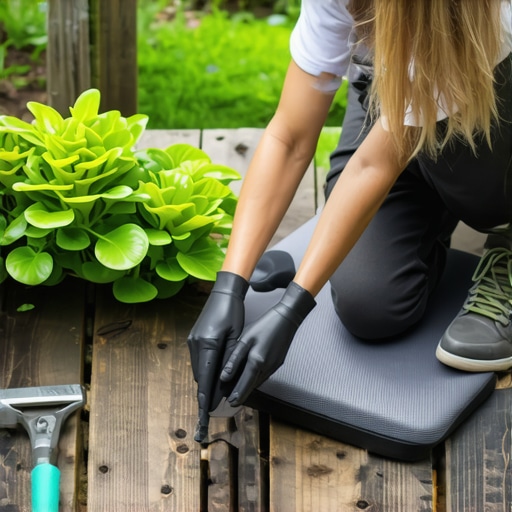
It was a Saturday morning, and I was eagerly digging into my garden, hopeful about my newest flower bed. Moments later, I found myself on the ground, grimacing in pain, trying to stand up without feeling like I was about to throw out my back again. That lightbulb moment—that realization that gardening, while fulfilling, can also be a pathway to serious pain—hit hard.
If you’ve ever experienced that sudden twinge or chronic soreness after a day outside tending to your plants, you’re not alone. And believe me, I learned the hard way that ignoring proper body mechanics only worsens the problem.
Today, I’m going to share with you proven strategies to enjoy gardening without ending up on the floor in agony. We’ll explore how to protect your spine, improve your mobility, and turn gardening into a pain-free activity you can enjoy for years to come.
Gardening Without the Pain: A Neighbor’s Guide
Many of us cherish the outdoors and find gardening incredibly rewarding. But many don’t realize that certain habits and postures can set us up for back, neck, and sciatic pain. Early on, I made the mistake of bending from the waist without engaging my core, thinking it would make digging easier. That alone led to weeks of discomfort—your body really is your most valuable tool.
The good news is, small adjustments and awareness of your body can prevent a painful aftermath. This isn’t about avoiding all bending but about doing it smarter—protecting your joints, spine, and muscles. Rest assured, with a few simple changes, you can grow a vibrant garden and keep your body happy too.
But first, let’s address a common doubt. Many skeptics ask: “Is it really worth changing how I garden just to avoid a little soreness?” Well, I was there myself, and I can tell you—it’s worth every effort. Chronic back pain can lead to limited mobility, affecting your overall quality of life. Studies show that adopting ergonomic practices can significantly reduce musculoskeletal discomfort during activities like gardening ([Body Renew Therapy](https://bodyrenewtherapy.com/overcoming-sciatica-top-lifestyle-changes-for-better-quality-of-life)).
Now, before you roll up your sleeves, let’s look at what mistakes to avoid — and how you can be up and digging with less pain.
Prioritize Your Posture During Bending
When you bend over to plant or pull weeds, imagine your spine as a stack of blocks that need to stay aligned. Keep your back straight and hinge at the hips, not your waist, like opening a gate with your hips. I recall a time I tried to save time by bending from the waist, only to feel a sharp twinge. Now, I consciously engage my core and hinge at the hips, which distributes the load evenly along my spine. This reduces strain and makes gardening more comfortable.
Use Tools to Minimize Strain
Long-handled tools are your friends. They let you work in an upright position, preventing the common mistake of hunching forward like a question mark. Think of it as creating a lever—much easier on your back. I recently replaced my old trowel with a longer one, and the difference was immediate; I avoided unnecessary bending and felt less fatigue after hours in the garden. Investing in ergonomic tools can dramatically cut down back discomfort.
Protect Your Knees and Wrists
Kneeling pads and gloves might seem minor, but they help you maintain better alignment. Instead of dropping to your knees or overextending your wrists, use a padded kneeler to keep your joints in a neutral position. I remember choosing a thick foam pad, which allowed me to kneel with ease and avoid awkward angles that cause neck and back tension. Proper joint positioning prevents compensatory strains elsewhere in your body, especially your neck and shoulders.
Keep Moving, Don’t Hold Static
Frequent, gentle shifts keep your muscles from stiffening and your spine mobile. Don’t stay in one position for more than a few minutes. Think of your body like a car; regular small adjustments prevent wear and tear. While weeding or planting, alternate between bending, kneeling, and standing. I set a timer during my last gardening session—every 10 minutes, I paused to switch positions, which kept me energized and pain-free.
Stretch and Strengthen Regularly
Incorporate core and back exercises into your routine to build resilience. Simple movements like bird dogs or planks strengthen deep stabilizers that support your spine. I started doing these exercises twice a week, and within a month, I noticed less stiffness after gardening. Additionally, gentle stretches for hamstrings and hip flexors prevent tightness that pulls on your lower back, making gardening less of a stress test for your body.
Remember, maintaining awareness of your body mechanics transforms gardening from a painful chore into a joy. For more insights on managing back pain and improving mobility, explore expert mobility tips, or, if sciatic discomfort persists, visit lifestyle strategies for sciatic relief.
Many people believe that discomfort in the neck, back, or sciatic nerve is simply a matter of waiting for it to heal on its own or relying solely on quick fixes like stretching or painkillers. However, this misconception can lead to advanced issues and prolonged suffering. In fact, understanding the nuanced causes behind these pains requires more than just surface-level strategies. For example, one common myth is that continuous stretching always alleviates sciatic discomfort—yet, in some cases, overstretching of tight muscles like the hamstrings can actually compress nerves further, worsening symptoms. Experts warn that these well-intentioned but misguided efforts may cause more harm than good, especially when they ignore underlying postural or biomechanical imbalances, which are often the root causes of persistent pain issues ([see more](https://bodyrenewtherapy.com/understanding-the-link-between-poor-posture-and-chronic-back-pain)).
A frequent trap many fall into is assuming that rest is the best remedy. While rest is essential during acute flare-ups, staying immobile for extended periods can lead to decreased mobility, stiffness, and a greater risk of chronic pain development. Moving correctly, engaging targeted strengthening exercises, and adopting ergonomic habits are proven to accelerate recovery and restore mobility—yet, many overlook these aspects, leading to a cycle of discomfort.
Have you ever fallen into this trap? Let me know in the comments.
What most people overlook about their pain is the importance of addressing the specific source rather than just symptoms. For instance, neck tension isn’t solely caused by stress or posture at your desk; often, it’s linked to deeper issues like jaw tension, misaligned vertebrae, or even poor sleep positions. Applying generic stretches or treatments without proper assessment can delay healing or exacerbate issues. It’s crucial to recognize the interconnected nature of our musculoskeletal system and consider expert strategies for comprehensive relief ([learn more](https://bodyrenewtherapy.com/neck-pain-and-stress-how-to-break-the-cycle-for-good)).
Furthermore, many believe that pain is always a sign of serious injury—yet, most back and neck pains are related to mechanical dysfunctions, muscular imbalances, or nerve compression that can be effectively managed through targeted movement and lifestyle adjustments. Overlooking these nuanced factors often results in unnecessary invasive procedures or reliance on medication, which may mask symptoms rather than resolve them. A nuanced, personalized approach—focusing on mobility, postural corrections, and strengthening—is often much more effective.
In summary, debunking myths and recognizing the complexities behind neck, back, and sciatic pain empowers you to make smarter choices. Moving beyond outdated misconceptions, such as relying solely on stretching or rest, and embracing expert-recommended interventions can dramatically improve your quality of life. For proven strategies tailored to your needs, check out [conquering sciatica](https://bodyrenewtherapy.com/conquering-sciatica-proven-approaches-to-end-discomfort-now) or discover how ergonomic modifications enhance mobility ([here](https://bodyrenewtherapy.com/enhance-your-back-mobility-ergonomic-tips-for-everyday-comfort)). Your body deserves a nuanced, informed approach that truly addresses the root causes for lasting relief.Maintaining your spinal health over time requires the right tools and consistent habits. Personally, I rely on a combination of ergonomic equipment and targeted exercises that have stood the test of time. One essential tool I swear by is a high-quality foam roller. I use it regularly to release my thoracic and lumbar areas, which helps prevent stiffness and ensures muscles remain supple. Unlike generic foam rollers, I prefer a dense, textured design that allows me to target deep muscle layers effectively, providing myself with in-the-moment relief and long-term maintenance.
Is your toolkit built for longevity?
Incorporating smaller, but impactful tools like a yoga strap can help refine your stretching routines, ensuring you avoid overstretching or improper form. For instance, I use a yoga strap to gently open my hips and hamstrings, which supports my efforts to fight tightness that could lead to sciatic nerve compression. These tools are about creating a personalized maintenance routine tailored to your body’s specific needs. Consistency is key; dedicating just 10 minutes daily to my foam rolling and stretching has significantly improved my mobility and reduced flare-ups. Looking ahead, I believe the trend will move toward smarter, biofeedback-enabled devices that monitor muscle tension and postural alignment in real time, making proactive care more accessible and precise.
How do I sustain these improvements over the years? Regularly updating my toolbox with new tech and refining my routines based on current research. My recent discovery of biofeedback devices that can via smartphone app track strain levels has been a game-changer, allowing me to adjust my efforts on the fly. Such innovations aim to keep your back and neck resilient, even as you age or face new physical challenges. For advanced strategies on integrating smart tools into your routine, check out [overcoming sciatica](https://bodyrenewtherapy.com/overcoming-sciatica-top-lifestyle-changes-for-better-quality-of-life). Remember, the key is consistency—try incorporating a foam roller into your nightly routine and notice the difference it makes in your mobility and pain levels. Your future self will thank you for taking these proactive steps today, creating a sustainable path toward pain-free activity.
The Hidden Truths I Wish I’d Known About Neck Pain and Mobility
- Learning to listen to my body early on could have saved me months of discomfort. Recognizing subtle cues like tightness or strain signaled that I was pushing too hard or in the wrong posture.
- A small shift, like engaging my core during bending, made an exponential difference in preventing pain. I once thought core work was only for athletes, but it’s vital for gardeners too.
- Ignoring ergonomic tools set me back; investing in long-handled tools and supportive kneelers turned gardening into a joyful activity rather than a painful chore. Sometimes, the right tool is the smartest investment for your back’s longevity.
Tools and Resources That Transformed My Approach to Back and Neck Health
- Foam Rollers and Resistance Bands: My daily routine now includes foam rolling targeted areas like my thoracic spine, which keeps me mobile and reduces stiffness. I trust the textured, dense rollers for deep relief.
- Books on Spinal Health: “The Deep Core Secret” reopened my eyes to the importance of foundational strength, guiding my exercises to strengthen muscles that support my back effectively.
- Smart Posture Devices: I’ve incorporated biofeedback gadgets that alert me when my posture slips during activities—keeping my back protected without constantly thinking about it.
Kickstart Your Pain-Free Gardening & Embrace Lasting Mobility
Embarking on a journey to enjoy gardening without the fear of pain is transformative. Remember, small mindful habits compounded over time create lasting change. Your body is resilient and capable of healing, especially when nurtured with awareness and the right tools. Don’t wait for pain to dictate your limits—take action today to cultivate a healthier, more vibrant you. Which step will you try first to protect your neck and back during your next gardening session? Share your plan below and let’s support each other’s mobility journey.