
How to Sleep on Your Side Without Waking Up with Sciatica

It was a sleepless night that made me realize I needed to rethink my sleeping habits. The sharp, shooting pain in my lower back radiated down my leg, keeping me awake and frustrated. I kept tossing and turning, trying to find that elusive comfortable position, but no matter how I adjusted, the sciatica seemed to have the final say. That moment was a lightbulb for me—sleeping on my side might seem natural, but without the right support and technique, it can turn into a nightly torment.
Why Side Sleeping Can Worsen Sciatica and How to Fix It
Is All Side Sleeping Really Worth the Hype?
Master the Art of Correct Sleeping Posture
Start by setting up your sleep environment to support your spine. Use a pillow that keeps your neck aligned with your spine, avoiding excessive elevation. When lying on your side, place a firm pillow between your knees to prevent your pelvis from tilting and causing lower back strain. I remember adjusting my pillow multiple times before finding the right height, which finally reduced my morning sciatica pain. This simple act can realign your hips and alleviate pressure on your sciatic nerve.
Implement Targeted Mobility Exercises for Fast Results
Hinge at the Hips with Gentle Stretches
Begin with the ‘Pelvic Tilts’—lie on your back with knees bent, tighten your abdominal muscles, and flatten your lower back against the floor. This movement helps reset your pelvic position, much like tuning a violin string for perfect sound. A few repetitions daily improve your lumbar flexibility and can diminish sciatic discomfort.
Use Spinal Rotation Drills
Perform gentle spinal twists while seated or lying down, twisting your torso to one side and holding for 20 seconds. Imagine wringing out a wet towel—this motion mobilizes your spine and releases tension. I include these rotations after long periods of sitting, which has noticeably increased my mobility and reduced stiffness.
Optimize Your Daily Movements for Long-Term Relief
Become aware of how you carry loads or bend over. Instead of bending at the waist, hinge from your hips—think of closing a heavy door with your hips rather than twisting your spine. When lifting objects, engage your core and lift with your legs. I remembered lifting a suitcase last week, consciously keeping my back straight and knees bent, which prevented any flare-up. Small adjustments like these prevent daily strain accumulation and promote spinal health.
Maintain Consistent Posture Awareness
Throughout your day, check in with your posture—shoulders relaxed, back straight, head aligned. Use reminders or app prompts if needed. Such conscious corrections are like tuning a guitar string—progressive and essential for harmony. Regular posture checks, combined with mobility exercises, create a resilient spine capable of handling everyday stresses. For more strategies on managing your back health, explore this guide.
Many individuals believe they understand the basics of neck and back pain, but beneath the surface lie nuanced misconceptions that can hinder effective recovery. One common myth is that pain always originates from structural issues like herniated discs or nerve impingement. However, recent research suggests that muscle imbalances, neurological factors, and subconscious habits play a significant role in persistent discomfort. For instance, a study published in the Journal of Bodywork and Movement Therapies highlights how poor breathing patterns and stress-induced tension contribute to chronic pain syndromes, indicating that addressing only the physical symptoms without considering neurological and emotional factors may lead to incomplete relief.
Are We Mistaken About Pain Triggers? The Advanced Perspective
Another overlooked nuance is the tendency to focus solely on static posture correction. While maintaining good posture is essential, overemphasizing alignment without integrating dynamic mobility exercises can cause muscles to become stiff and unresponsive. Advanced practitioners recommend a combination of mobility drills—like controlled articular rotations and neuro-meningeal sliding techniques—to promote a resilient and adaptable spine. These approaches enhance the nervous system’s ability to regulate muscle tone and pain perception, which is crucial for long-term management. For example, incorporating simple back mobility exercises daily has been shown to improve tissue flexibility and reduce recurrent sciatica episodes.
Here’s a trap many fall into: assuming that pain relief is purely mechanical or situational. This can lead to neglecting lifestyle factors such as stress, sleep quality, and overall movement variability. Overlooking these elements may cause a temporary fix to fail sooner than expected. A holistic approach, appreciating the interplay between physical and emotional health, yields more sustainable results. For an in-depth understanding, check out comprehensive strategies for lasting sciatica relief.
Finally, advanced insight emphasizes the importance of mindful movement and internal awareness. Techniques like proprioceptive training and breathing exercises can recalibrate the nervous system, helping to break persistent pain cycles. As I suggest in this guide, integrating these practices into daily routines can make a profound difference. Remember, addressing the deeper nuances avoids common pitfalls and paves the way for genuine recovery. Have you ever fallen into this trap? Let me know in the comments.
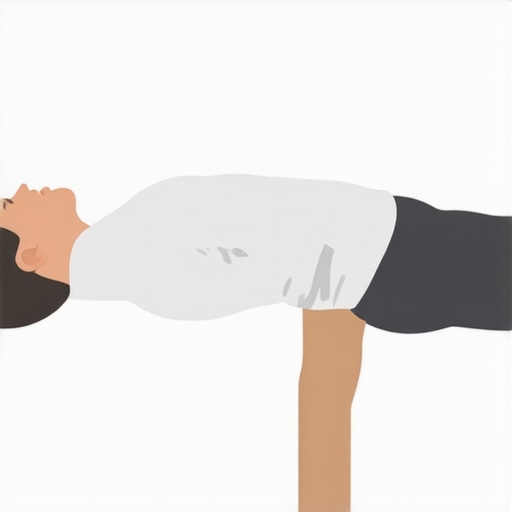
Investing in the Right Tools for Lasting Relief
Maintaining spinal health over time requires more than just understanding exercises; it involves integrating reliable equipment and software that support your journey. I personally recommend investing in a quality foam roller, such as the TriggerPoint GRID, which I use daily to release mymuscle tension and improve mobility. Its firm yet forgiving surface allows for targeted myofascial release, helping keep knots and tightness at bay. Additionally, a massage ball like the RumbleRoller helps me address deep-seated strain in hard-to-reach areas, making self-myofascial release both effective and convenient.
To track progress and ensure consistency, I utilize mobility apps like ‘Gonoodle’ and ‘MobilityWOD.’ These platforms offer guided routines tailored to specific issues like sciatica or neck tension, ensuring I stay on top of my maintenance. These tools are invaluable for creating a structured routine and providing visual cues, especially when my motivation wanes. As technology advances, expect more integrated wearables that monitor posture and muscular imbalances in real time—making adherence to proper movement patterns even easier.
Long-Term Strategies for Sustained Results
Consistency is the secret to lasting improvement. My approach involves setting a weekly schedule that combines mobility drills, strength training, and psychological wellness practices like mindfulness. Regularly revisiting cornerstone content (like the comprehensive sciatica guide) helps reinforce foundational habits. To maintain progress, I schedule weekly ‘spine check-ins’ using simple assessments such as the ‘pelvic tilt’ test or observing movement fluidity during gentle exercises. These assessments act as early warning systems, allowing me to address issues before they escalate.
Scaling Your Efforts Without Overdoing It
Once you develop a solid routine, scaling becomes about gradually increasing intensity or complexity, not volume. I integrate more advanced mobility techniques like controlled articular rotations (CARs) and neuro-meningeal sliding, as suggested by research from leading functional movement specialists. These methods increase tissue resiliency and neural adaptability. For example, adding a few sets of CARs daily helps me prevent stiffness and maintain joint capacity. Remember, the key is incremental progress—the idea is to challenge your system without causing setbacks.
How do I maintain my back and neck health over time?
Maintaining long-term health hinges on a proactive, mindful approach. This involves not only using the right tools but also paying attention to recent insights in neuro-motor control. A study in the Journal of Bodywork and Movement Therapies emphasizes the importance of integrating breathing and neurological exercises to modulate muscle tone. My advice? Incorporate deep breathing routines and proprioceptive drills into your daily habit. For example, try the tip of the day: practice diaphragmatic breathing for five minutes each morning to improve overall nervous system regulation and reduce chronic tension.
If you haven’t already, I suggest trying the ‘Wall Supported Stretch’ mentioned in this article. It’s a simple yet powerful way to reinforce proper spinal alignment and reset muscular imbalances. Start with one session per day, and notice how your mobility improves over weeks. The key is patience and consistency—think of it as tuning your instrument for optimal performance.
Remember, managing pain and mobility is an ongoing process. Experiment with these tools and techniques, and observe which ones resonate most with your body. Over time, you’ll find that these small but consistent efforts build a resilient, pain-free spine that supports your life’s activities. Want to explore more advanced strategies? Check out the detailed techniques in this comprehensive guide and take your recovery to the next level.
The Lessons I Wish I Learned Sooner About Neck and Back Pain
- Listening to my body’s subtle signals was a game changer. Recognizing early tension allowed me to incorporate gentle mobility exercises before pain took hold, saving me from weeks of discomfort.
- Stretching isn’t a one-size-fits-all solution. Personalized routines targeting specific muscle imbalances made a significant difference, reminding me that understanding my unique anatomy is essential.
- Pursuing holistic health—balancing physical activity with mindfulness and proper sleep—created a sustainable foundation for back and neck health I hadn’t appreciated before.
My Go-To Resources for Deepening Back and Neck Recovery
- BodyRenew Therapy’s comprehensive guides—their detailed strategies and expert advice have been pivotal in my journey. I especially trust their insights on integrating mobility drills with lifestyle changes.
- Mobility apps like ‘MobilityWOD’—these offer tailored routines that fit seamlessly into daily life, helping me stay consistent without overwhelm.
- Books like ‘The Gift of Injury’—they shifted my perspective, showing me setbacks as opportunities for growth and understanding the importance of patience in healing.
- Professional consultations from qualified physical therapists—personalized guidance ensures my efforts are effective and safe, reinforcing practices I can rely on long-term.
Stand firm in Your Journey Toward Long-Term Comfort
Remember, your path to a resilient neck and back isn’t a sprint but a marathon. Embrace the process, celebrate small victories, and stay curious about what your body needs. Incorporating even a few of these insights can transform your experience and help you reclaim a pain-free life. If you’re ready to deepen your understanding and take concrete steps, explore this detailed guide and continue building the resilience your body deserves.