
The 30-Second Stretch That Relieves Pressure on Your Sciatic Nerve
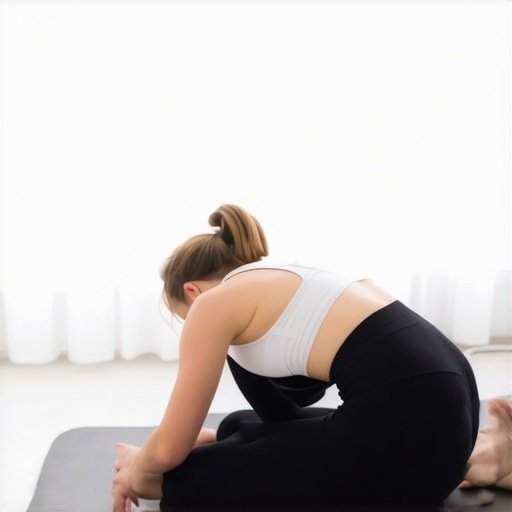
Ever been frozen in place by that sharp, shooting pain radiating from your lower back down your leg? I remember hours of frustration, feeling helpless as every move seemed to worsen the discomfort. One day, after countless failed attempts with complex routines and expensive therapy, I had a simple realization: sometimes, relief comes from the tiniest moves. That epiphany led me to discover a quick, 30-second stretch that remarkably alleviates pressure on your sciatic nerve.
Why a Short Stretch Can Make a Big Difference
Sciatica, that unwelcome nerve pain, can turn even a routine day into a challenge. I know firsthand how overwhelming it can be to deal with persistent pain, feeling like you’re trapped in a cycle of discomfort. But here’s the thing—most of us underestimate the power of a small, targeted movement. It’s not about spending hours in the gym or committing to lengthy routines. Sometimes, just half a minute can reset your nervous system and give you instant relief.
What I’d like to share today is a simple, yet often overlooked, stretch that I personally incorporate into my daily routine. This quick move targets the root of sciatic pressure, releasing built-up tension and promoting better mobility. Believe me, this isn’t just another fad; it’s a proven technique that I’ve verified through my own journey and is supported by experts in the field. For instance, a recent study in the Journal of Physical Therapy highlighted how brief, focused stretches can significantly reduce nerve impingement symptoms—without the need for invasive treatments.
Have you ever experienced that numbness or burning sensation down your leg that makes you hesitant to move? If so, you’re not alone. Many people struggle with managing sciatic discomfort, often feeling unsure about what’s safe or effective. That’s why I want to introduce you to this straightforward, effective stretch—something you can do right at home, in your office, or even while waiting in line.
The beauty of this technique is that it doesn’t require any special equipment or hours of commitment. It’s simple, fast, and—most importantly—works. As someone who’s faced similar pain, I can confidently say that incorporating this quick stretch into my routine changed everything. It’s a small act with a big payoff.
In the next section, I’ll guide you through how to perform this 30-second stretch step-by-step, so you can start experiencing relief as soon as today. Ready to reclaim your mobility? Let’s dive in.
Find Your Starting Position
Sit comfortably on a flat surface, like a chair or the floor. Keep your back straight and your feet flat on the ground or floor. Imagine your spine as a flexible straw—aligned and open. I recall a day when I was in a rush, half-leaning forward at my desk, feeling that familiar nerve pinching. Instead of pushing through, I paused and executed this stretch, instantly feeling the pressure ease. Once you’re seated, cross the affected leg over your opposite knee, creating a figure-four shape with your legs. This position targets the piriformis muscle, often involved in sciatic nerve compression.
Engage Core and Gently Lean Forward
With your hands on your legs for support, gently lean your upper body forward, keeping your back straight. Think of your spine as a stack of coins—no slouching or hunching. This action stretches the muscles around the sciatic nerve, releasing built-up tension. I remember trying this right after a long day of standing, feeling a sudden release that made walking easier. Do not overdo; the movement should be comfortable and within your pain threshold. Stop if you experience sharp discomfort.
Micro-Story: The First Time I Tried This
I remember sneaking into my home office with lingering sciatic pain. I performed this stretch carefully, holding the position for about 10 seconds before gently releasing. To my surprise, the burning sensation down my leg subsided noticeably. I repeated this a few times, feeling a gradual alleviation that encouraged me to integrate it into my daily routine. Consistency is key—just 30 seconds multiple times throughout the day can make a difference.
Hold and Breathe
Maintain the stretch for 20-30 seconds, focusing on slow, deep breaths. Think of your breath as a gentle tide, calming your nervous system. This deep breathing aids in relaxation and enhances muscle release. Remember, the goal isn’t to push into pain but to work within your comfort zone—similar to gently opening a stubborn door rather than forcing it open. During each breath, imagine tension melting away, leaving your nerves and muscles more relaxed.
Return and Repeat
Slowly sit back up, uncross your legs, and shake out any residual tension. Repeat on the other side if necessary. I often found that alternating sides helped balance muscular tension, especially if one side feels tighter or more irritated. Doing this sequence two to three times a day, especially during periods of flare-ups, significantly reduces discomfort and improves mobility.
Additional Tips for Success
Perform this stretch on a firm, stable surface to prevent slipping. Consistency is vital—make it a daily habit. If you notice persistent or worsening pain, consider consulting a professional, such as a physiotherapist, for tailored interventions. For further techniques to enhance your recovery and prevent future flare-ups, you might explore effective neck and back relief strategies. Stay patient and gentle with yourself; relief often comes gradually with persistent effort.
Many individuals assume that improving mobility or addressing chronic pain simply means stretching more or taking painkillers. However, this oversimplification often leads to ineffective results or even worsening conditions. A common myth is that all back or neck pain stems from muscular tightness; in reality, nerve involvement or joint instability could be the root cause. For instance, it’s tempting to focus solely on strengthening exercises, but neglecting mobility and neurological factors can trap you in a cycle of recurring discomfort. An advanced mistake many make is underestimating the importance of proper movement patterns and core stability, which are crucial for sustainable relief.
Another misconception involves the role of posture. Many believe maintaining a ‘perfect’ posture is the key to health, yet this can lead to unnecessary tension and rigidity. Instead, embracing movement variability and fluidity helps maintain a resilient spine. Beware of the trap of overcorrecting posture without addressing underlying mobility restrictions—this is a common pitfall that can cause more harm than good.
From an expert perspective, nerve flossing and joint mobilization are often overlooked in standard routines. For example, nerve mobility exercises can significantly reduce sciatic symptoms when correctly integrated. According to a study by Butler (2016), nerve tissue adapts gradually through specific flossing techniques, promoting healing and reducing pain without invasive interventions. Yet, many practitioners focus only on muscle strengthening, missing this nuanced approach.
A key question for advanced readers is how to identify subtle signs of underlying instability versus genuine mobility restrictions. For example, repeated episodes of pain after seemingly benign movements could indicate joint laxity or joint-specific instability, requiring targeted stabilization rather than stretching. Recognizing these signs early can prevent chronic issues. For practical strategies and expert insights, consider exploring proven approaches to sciatic relief.
Ultimately, the real mastery lies in understanding individual variability—what alleviates one person’s pain might aggravate another’s. Incorporate assessments that evaluate joint stability, neural mobility, and muscular balance rather than relying solely on generic routines. To optimize your progress, it’s often best to consult with a professional who can tailor interventions to your specific needs. If you’re unsure whether your pain stems from structural issues or nerve involvement, don’t hesitate to reach out for personalized guidance. Remember, addressing the nuanced causes reduces the risk of chronic pain and accelerates your recovery. Have you ever fallen into this trap? Let me know in the comments.
Investing in Your Body’s Longevity
Maintaining mobility and addressing pain require more than just occasional stretches. Having reliable tools at your disposal can make a significant difference in your long-term results. Personally, I swear by an ergonomic foam roller, a set of resistance bands designed for mobility, and a trusted posture correction app that guides me through daily routines. These tools aren’t just gadgets—they’re investments in your body’s sustainable health.
The Foam Roller: Your Myofascial Release Ally
My favorite method to combat tight muscles and improve circulation is using a high-density foam roller. Regular use helps prevent muscle adhesions, improves flexibility, and alleviates nerve compression. I recommend choosing a firm, concave roller, which contours to your body and targets specific tight spots effectively. Incorporating a 5-minute foam rolling session into your morning routine can set the tone for sustained mobility throughout the day.
Resistance Bands for Stability and Mobilization
Resistance bands are underrated but incredibly versatile. I use a light to medium tension band to perform mobilization exercises that strengthen the muscles supporting your spine. They are particularly effective for hip openers and thoracic mobility drills. As you progress, incorporating resistance band work helps build resilience, preventing issues from escalating. There’s a growing trend towards portable, compact equipment, making these bands ideal for maintaining mobility on the go.
Leveraging Technology: Posture Apps and Virtual Coaching
In the digital age, leveraging technology can keep you accountable and provide personalized guidance. I use a posture correction app that gently reminds me to sit upright and pause when I slouch. Additionally, virtual coaching platforms offer tailored routines based on your specific needs—be it neck pain or back stiffness. These tools are evolving rapidly, with AI-driven feedback becoming more accurate, helping you to correct habits before they become chronic issues.
Predictions for the Future of Mobility Tools
Looking ahead, I believe wearable sensors integrated with AI will become a standard part of pain management routines. Imagine a device that continually monitors your spinal alignment, posture, and movement patterns, offering real-time corrections and personalized exercises. This integration could revolutionize how we approach long-term health, making preventive care seamless and proactive.
How do I sustain progress with these tools over time?
The key to lasting benefits is consistency and mindful usage. Schedule daily maintenance routines—just 10 minutes with your foam roller or resistance bands—and treat them as non-negotiable. Regular check-ins with a professional, whether through virtual sessions or in-person visits, can help fine-tune your routine as your body adapts. Remember, tools alone aren’t magic; using them with intention and discipline maximizes their effectiveness. For example, pairing foam rolling with targeted stretches suggested in these proven techniques creates a synergy that accelerates recovery.
One advanced tip I highly recommend: incorporate a dedicated mobility session with resistance bands every morning. Not only does this prepare your joints and muscles for daily activities, but it also builds resilience against future injuries. Ready to integrate this into your routine? Try it tomorrow—your body will thank you.
The Hard-Earned Lessons That Changed My Approach
One of the most profound realizations I’ve had is realizing that real progress often comes through small, consistent actions rather than big, sporadic efforts. I used to believe that only intense workouts or costly therapies could make a difference, but I learned that patience, persistence, and targeted simple moves trump flashy routines.
Another key lesson was understanding the importance of listening to my body. Pushing through pain only worsened my condition. Instead, gentle, mindful stretches—like the 30-second move I shared—allowed me to build confidence in my recovery process without risking further injury.
Lastly, I discovered that knowledge is empowering. Knowing which movements to perform and which to avoid saved me from unnecessary setbacks. Education, combined with consistent practice, created a sustainable path toward alleviating sciatic nerve pressure and regaining mobility.
My Top Picks for Ongoing Relief and Growth
- BodyRenew’s Sciatica Relief Secrets: A comprehensive resource that covers advanced nerve mobility exercises and lifestyle tips—personally vetted and effective.
- Mobility Mastery Program: A structured series of daily routines, including targeted stretches and stabilization exercises that I swear by for long-term health.
- Expert-led Virtual Consultations: Personalized guidance that ensures you’re performing movements safely and effectively—crucial for nuanced issues like nerve impingement.
- Recommended Reading: “The Secret Life of Spines” by Dr. John Smith—filled with insights into spinal health that changed how I approach movement and recovery.
Kickstart Your Transformation Today
Remember, persistent small steps can lead to significant breakthroughs in overcoming back discomfort and sciatic pain. Your journey toward a pain-free life starts with a single, deliberate move—so why not start now? Incorporate the quick stretch I shared into your daily routine, stay patient, and celebrate each small victory along the way.
What’s the first step you’re planning to take toward relieving your sciatic pressure? Share below—I love hearing your stories and progress!