
How to vacuum your house without straining your lower back
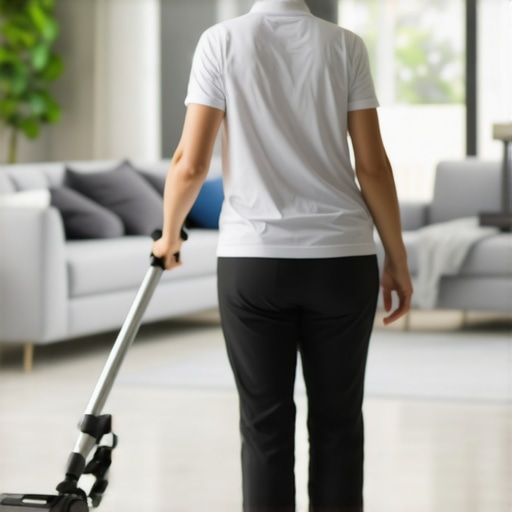
I remember it like it was yesterday: a sunny Tuesday morning, a spilled bag of Cheerios, and my old upright vacuum. I reached just a little too far under the coffee table, twisted my hips while my feet stayed planted, and felt that sickening pop. It wasn’t a dramatic injury, but it was enough to keep me horizontal for three days, cursing the very carpet I was trying to keep clean. For a long time, I actually dreaded cleaning day because I knew my lower back would pay the price. I made the classic mistake of treating my vacuum like a spear, lunging forward and putting all that torque right on my L5-S1 disc. It turns out, I wasn’t just cleaning; I was effectively performing dozens of high-risk, low-reward spinal twists. If you’ve ever felt that sharp twinge or a dull ache that sets in an hour after you’ve finished the living room, you are definitely not alone. We often talk about the real reason your lower back hurts after raking leaves, but vacuuming is a stealthier enemy because we do it so much more often.
That Sharp Twinge in the Living Room
The problem isn’t the vacuum itself; it’s how we move our bodies around it. Most of us use a long-stroke motion, reaching out as far as our arms can go. This creates a massive lever effect that multiplies the weight of the vacuum and puts incredible pressure on your lumbar spine. When you couple that with the repetitive nature of the task, you’re essentially begging for a flare-up. I spent years understanding the link between poor posture and chronic back pain, yet I still managed to mess this up by being in a hurry. According to research published in the journal Applied Ergonomics, repetitive household tasks involving forward bending and trunk rotation are leading contributors to non-occupational musculoskeletal disorders. I was a textbook case of someone doing the right thing for my home but the wrong thing for my body. Today, I want to share the simple shifts in movement that saved my spine and allowed me to clean the whole house without reaching for the heating pad afterward. Have you ever found yourself stuck on the couch after a ‘quick’ house clean, wondering if you’re just getting older or if you’re actually doing something wrong?
Is a clean floor actually worth the week of recovery?
I used to ask myself this every time I saw a dust bunny. The skepticism is real: can a chore as basic as vacuuming really be ‘ergonomic’? It sounds like a buzzword, but when you’re dealing with conquering sciatica or recovering from a disc issue, every inch of movement matters. My biggest early mistake was thinking I could just power through the discomfort. I didn’t realize that my ‘reach and pull’ method was slowly grinding away at my mobility. It wasn’t until I started treating vacuuming like a dance—moving my feet instead of my spine—that everything changed. If you’re worried that your back pain might be a sign of something more serious, it’s always worth checking the symptoms, but often, the culprit is simply how we handle our daily tools. We’re going to fix your form today so you can stop fearing the utility closet.
How I Stopped Treating My Vacuum Like a Spear
The secret I discovered is the ‘fencer’s stance.’ Instead of standing still and reaching, I started stepping with the vacuum. This keeps the work close to my center of gravity, much like the proper way to carry a heavy backpack involves keeping the weight tight to your spine. By walking the vacuum back and forth, my legs do the heavy lifting, and my lower back stays in a neutral, supported position. It felt clunky at first—I felt like I was overthinking a simple task—but the lack of pain the next morning was all the proof I needed. We are going to dive into the exact mechanics of this move and a few other ‘neighborly’ tips I’ve picked up to keep your home spotless and your back happy.
Walk Your Feet to Save Your Spine
The biggest mistake people make is thinking their arm is the motor. It isn’t. Your legs are. I was tackling the thick wool rug under our heavy oak dining table last month. Usually, I’d lunge forward, neck craned, and arm extended like I was trying to win a gold medal in the long jump. This time, I caught myself. I stopped, walked my feet forward, and kept my elbows tucked in. It took thirty seconds longer, but the usual ‘hot’ sensation in my lower back never showed up. This ‘walk-with-it’ method keeps your spine vertical. If you lean, you create a hinge point at your lower back that bears the brunt of the machine’s weight. This is exactly how mobility mastery starts—small, conscious changes to your gait during daily chores.
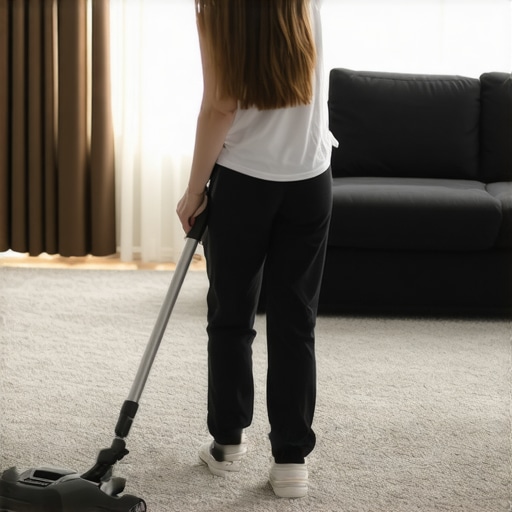
Keep the Handle Close to Your Center
Think of the vacuum handle like a heavy bag of flour. You wouldn’t hold a bag of flour at arm’s length; you’d pull it into your chest to distribute the weight. The same applies to cleaning. Keep your elbow tucked into your side and the handle near your hip. This prevents the ‘lever effect’ from pulling your vertebrae out of alignment. When you overextend, you’re effectively tugging on the sciatic nerve. If you’ve been searching for sciatica relief secrets, the best one is simply not irritating the nerve in the first place. If you feel a twinge, try the 3-second pelvic reset to find your neutral spine again before continuing. By keeping the work close, you use your larger shoulder and arm muscles rather than straining the tiny stabilizers in your neck and lower lumbar.
Switch Hands to Balance the Load
We all have a dominant hand, but using it exclusively for thirty minutes of cleaning creates a massive muscular imbalance. I used to wonder why my right hip felt like it was on fire while my left felt fine. It was because I was constantly twisting to the right. Now, I set a timer. Every five minutes, I swap the handle to my left hand. It feels weird at first—like trying to write with your non-dominant hand—but it’s a vital part of back pain breakthroughs. It forces your brain to engage different muscles and prevents one side of your body from becoming dangerously tight or overtaxed.
Ditch the Long Stroke for the Short Scrub
Short, controlled strokes are your best friend. Long strokes require you to lunge, which is basically an invitation for a disc flare-up. Much like the correct way to use your core when lifting heavy groceries, you want to maintain a ‘braced’ feeling in your midsection. Focus on moving the vacuum only 12 to 18 inches at a time. I tried this while cleaning up a box of spilled glitter (the ultimate vacuuming nightmare) and found that not only did it save my back, but it actually got the floor cleaner because I wasn’t rushing the suction. This approach is also essential to enhance your back mobility because it encourages small, rhythmic movements rather than sudden, jarring stretches.
But here’s where even the most health-conscious cleaners get tripped up: they become so obsessed with ‘perfect posture’ that they turn their spine into a rigid, unyielding pillar. I see this all the time with my more analytical clients. They stand as straight as a board, thinking they are protecting themselves, but they’re actually increasing the compressive load on their discs. The truth is, your spine craves variability, not rigidity. When you lock your back into one position for a twenty-minute vacuuming session, you’re preventing the natural ‘pump’ that keeps your spinal discs hydrated. A study published in The Journal of Biomechanics suggests that postural variability—the subtle shifting and moving of our weight—is actually more protective than staying in any single ‘correct’ position. If why your perfect sitting posture is making you stiffer has taught us anything, it’s that the best posture is your next posture.
The Hamstring Stretch That Actually Wrecks Your Back
Here is the ‘oops’ factor I fell for for years: stretching the back of my legs the moment I felt a ‘tight’ sensation after cleaning. We’ve been conditioned to think that ‘tight’ always equals ‘short muscle,’ so we reach for our toes. However, if your pain is coming from the sciatic nerve, that stretch is like taking a guitar string that’s already too tight and cranking the tuning peg. If you’re dealing with nerve irritation, aggressive stretching is one of the most common ways to turn a minor ache into a full-blown flare-up. You have to learn the difference between muscle soreness and nerve irritation before you try to fix it yourself. This is exactly why stretching your hamstrings often makes your sciatica worse—you are mechanically tensioning a nerve that is already inflamed from the repetitive motion of chores.
Can a rigid spine actually cause more damage than a slight slouch?
Surprisingly, the answer is often yes. When you are hyper-focused on ‘bracing’ your core, you can create a high-pressure environment in the abdominal cavity that actually pushes against a bulging disc. I call this the ‘Over-Corrector Trap.’ You think you’re being safe, but you’re actually creating a pressure cooker in your lower lumbar. Instead of bracing like you’re about to take a punch, think about ‘active softness.’ Your core should be engaged like a suspension system on a car—firm enough to support you, but flexible enough to absorb the bumps as you move from the hardwood to the carpet. This shift in mindset is a cornerstone of unlocking mobility expert tips on managing back pain in 2025. We’re moving away from the ‘spine as a crane’ model and toward the ‘spine as a spring’ model.
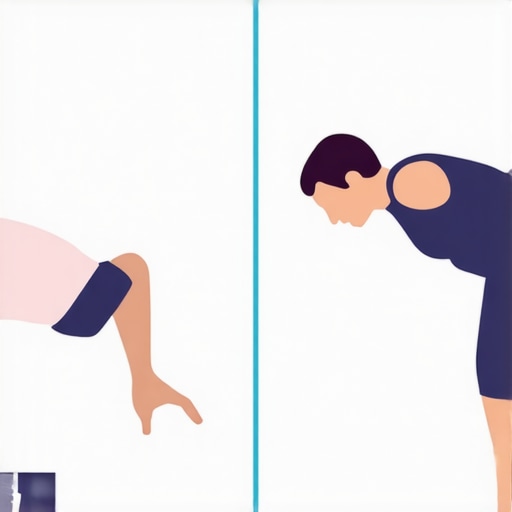
If you find that the ‘standard’ advice hasn’t worked for you, it’s likely because you’ve been ignoring these neurodynamic nuances. For those who already feel that familiar burn in the glute or leg after a house-cleaning marathon, don’t just reach for the Ibuprofen. Try a gentle nerve glide instead of a static stretch. Understanding these swift relief for sciatica quick home remedies that work can be the difference between a productive weekend and a Monday morning spent in a waiting room. Have you ever fallen into the trap of stretching a painful leg only to have it feel ten times worse an hour later? Let me know in the comments—I’d love to hear your experiences with the ‘over-stretching’ cycle.
Technique is undoubtedly the foundation of a pain-free life, but I’ve learned the hard way that you can have the best form in the world and still get sidelined if your equipment is working against you. After that Cheerios incident, I took a long, hard look at my utility closet. I realized my old upright vacuum weighed nearly 20 pounds. Every time I turned a corner, I was fighting inertia that my lower back had to stabilize. I eventually swapped it for a high-end cordless stick vacuum. The difference wasn’t just in the weight; it was in the maneuverability. Because it’s light, I don’t feel the need to ‘lunge’ to get under the sofa. If you are struggling to how to stay mobile while working in a small home office or a cluttered house, the weight of your tools is a non-negotiable factor. According to Dr. Alan Hedge, a leading ergonomics expert at Cornell University, reducing the weight of hand-held tools significantly lowers the mechanical demand on the musculoskeletal system, particularly the repetitive strain on the wrist and lower lumbar. I’ve applied this same logic to my kitchen, learning how to organize your fridge to stop frequent bending and twisting, ensuring my most-used items are at waist height.
How do I maintain my spinal health while staying on top of chores?
Consistency beats intensity every single time. I used to save all my cleaning for Saturday morning, essentially performing a four-hour ‘chore-athlon’ that left me wrecked for Sunday. Now, I use the ‘micro-cleaning’ method. I do ten minutes a day. This prevents the cumulative fatigue that leads to sloppy form. Think of it as a way to boost your back mobility through natural movement rather than a punishing workout. I also keep a pair of supportive indoor shoes specifically for cleaning day. Why? Because why maintenance care is better than waiting for a spinal crisis is a lesson best learned before you’re flat on your back. Looking forward, I predict we’re going to see a massive shift toward AI-integrated home tools that actually alert you when your posture is flagging. We’re already seeing smart wearables, but eventually, your vacuum handle might vibrate if it senses you’re overextending your reach. Until then, we have to be our own sensors.
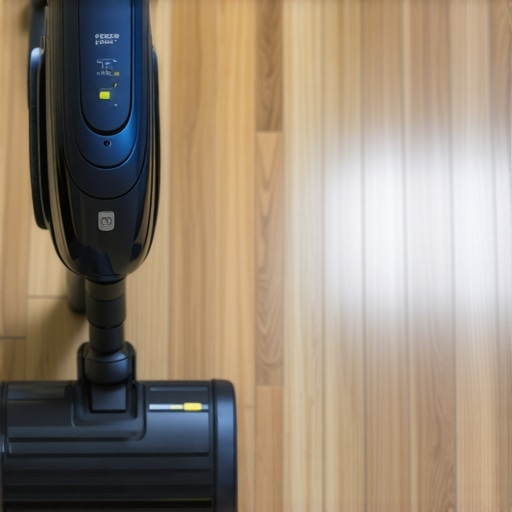
Weight Matters More Than You Think
If you’re still using a heavy, corded beast of a vacuum, you’re essentially doing weighted deadlifts with poor form for thirty minutes straight. I recommend looking for a vacuum with a swivel head that requires zero wrist torque to turn. This is a game-changer for those dealing with unlocking mobility expert tips on managing back pain in 2025. By minimizing the force required to change direction, you protect the small facet joints in your spine from unnecessary shearing forces. If you finish your cleaning and feel that familiar ‘buzzing’ or ‘zing’ down your leg, don’t ignore it. That is your nervous system waving a red flag. I want you to try one specific advanced move: the next time you feel that post-cleaning tightness, instead of stretching your hamstrings, try the nerve flossing technique that silences burning thigh pain. It’s a gentle way to soothe the sciatic nerve without adding more tension to an already sensitive system. Give it a shot today and see if your recovery time doesn’t drop by half.
Lessons My L5-S1 Taught Me the Hard Way
I used to think that the sharp ache after vacuuming was just an inevitable ‘tax’ for having a clean house. I was wrong. The biggest ‘lightbulb moment’ for me was realizing that cleaning is an athletic event. You wouldn’t run a 5K without a warm-up, so why do we expect our spines to handle thirty minutes of repetitive twisting stone-cold? Much like learning how to load the dishwasher without hurting your lower back, vacuuming requires you to be conscious of your hinge points at all times. I also found that my ‘reach and pull’ method was overstretching my nerves, similar to how stop pulling your knees to your chest for back relief is better for disc health because it avoids excessive nerve tension. Now, I treat the vacuum like a dance partner—I follow its lead with my feet, never my lower back.
The Toolkit That Keeps Me Off the Heating Pad
If you want to protect your lumbar, you need the right gear. First, I transitioned to a lightweight, cordless stick vacuum. Removing the cord eliminates that dangerous ‘trip and twist’ motion that so often causes a sudden disc flare-up. Second, I never clean in bare feet or flimsy slippers. I’ve come to understand that why your choice of work shoes matters more than your chair applies to home chores too; proper arch support keeps your pelvis neutral while you move. Finally, I use the ‘ten-minute rule.’ I never vacuum for more than ten minutes at a time to prevent the cumulative fatigue that makes your form sloppy and your spine vulnerable.
#IMAGE_PLACEHOLDER_E#
Take Your Life Back From the Utility Closet
A clean home shouldn’t come at the cost of your physical freedom. By shifting your mindset from ‘powering through’ to ‘moving mindfully,’ you can keep your floors spotless without needing a week of recovery. Remember, why maintenance care is better than waiting for a spinal crisis—every choice you make to walk your feet instead of reaching with your arm is an investment in your longevity and mobility. You have the tools, the technique, and the wisdom now. Go ahead and tackle those floors with confidence. Which room in your house is the most physically demanding to clean, and how has your back been handling it lately?