
The truth about foam rolling and sciatic nerve irritation
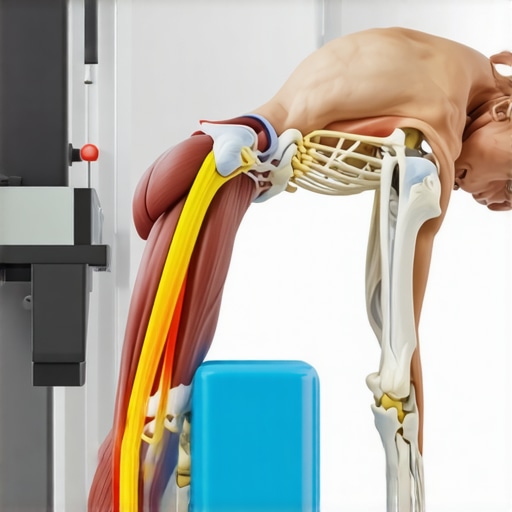
I remember the moment clearly—pain shooting down my leg like an angry snake, leaving me frustrated and confused. I had read about foam rolling as a miracle cure for back and sciatic pain, so I hit the store, grabbed a roller, and started pressing away. But instead of relief, I found myself worsening the discomfort, feeling more tangled in my own body than ever before.
That lightbulb moment made me question everything I thought I knew about self-care for sciatic issues. Now, I realize there’s a lot of misinformation floating around, especially about foam rolling’s role in managing nerve irritation. Today, I want to share my journey, the mistakes I made early on, and what actually works to ease sciatic pain—without wasting time on gimmicks.
Why So Many Foam Rolling Myths Hold You Back
Many of us are eager to find quick fixes for persistent back or leg pain. Foam rolling often comes to mind because it’s accessible, seemingly effective, and has a community of enthusiastic advocates. But here’s the thing: not all pain responds well to foam rolling, especially when nerves like the sciatic are involved. In fact, improper technique or overdoing it can exacerbate the problem.
When I first started, I believed foam rolling was a one-size-fits-all solution. That was a mistake. I overlooked the importance of proper technique and understanding the root cause of my pain. As I dug deeper, I found that sciatic nerve irritation often stems from structural issues, poor posture, or muscular imbalances—not just tight muscles that need a quick roll. An authoritative study emphasizes that nerve compression and related pain require targeted strategies, some of which don’t include foam rolling at all (source: [Sciatica Relief Secrets](https://bodyrenewtherapy.com/sciatica-relief-secrets-how-to-banish-pain-quickly-today)).
If you’re like I was—trying to squeeze relief from every corner—you might face similar setbacks. But don’t worry, there’s a better way to approach this—one rooted in understanding and proper technique.
Before we dive into practical solutions, ask yourself: Have you ever pushed through pain, thinking you just needed to roll it out, only to find it getting worse? If so, you’re not alone—and together, we’ll explore what works and what doesn’t to get you back on your feet faster.
Target Your Posture Throughout the Day
Start by assessing your daily habits. I once caught myself slouching at my desk for hours, which only worsened my sciatic flare-ups. To combat this, I adjusted my workstation to promote better alignment—think height-adjustable desks and ergonomic chairs. Regularly check your posture to prevent unnecessary strain on your lower back and hips. For practical tips, explore how poor posture contributes to back pain and implement simple ergonomic tweaks.
Boost Your Mobility with Daily Movement
Incorporate gentle mobility exercises into your routine. I remember mornings when I set a timer for five minutes of hip circles and pelvic tilts. These movements helped loosen tight muscles and improve circulation, reducing nerve pinching. For targeted routines, visit simple exercises to increase back mobility. Consistency is key—move gently, avoid forcing stretches, and listen to your body to prevent aggravation.
Implement Nerve Glides Gradually
Nerve gliding techniques can diminish sciatic nerve irritation when done properly. I learned this the hard way—initially, I overzealously attempted nerve flossing, which caused discomfort. Instead, I started with basic, slow movements like seated nerve sliders, focusing on controlled, pain-free ranges. For a safe approach, check nerve gliding exercises specifically for sciatica. Always perform these under guidance if you’re unsure, to avoid worsening symptoms.
Target Muscular Imbalances with Strengthening
Weak glutes and core muscles can overload your lower back, triggering sciatic pain. One time, I dedicated mornings to targeted exercises like bridges and planks, which significantly reduced my episodes. Strong muscles support your spine, realign your pelvis, and ease nerve pressure. For effective routines, explore core-building exercises for back health. Remember, focus on proper form over quantity—quality over quantity ensures lasting benefits.
Address Underlying Postural Habits
Persistent poor habits, such as crossing legs or slumping during activities, perpetuate nerve irritation. I made it a point to Many assume that back and neck pain stem solely from muscle tightness or injury, leading to quick fixes like stretching or massage. However, *persistent misconceptions* often prevent proper healing. A common myth is that all pain responds well to stretching, but in reality, overstretching certain areas can aggravate nerve issues like sciatica. Experts warn that ignoring underlying causes—such as structural imbalances or nerve entrapments—can delay recovery and worsen symptoms (source: [Revitalize Your Neck](https://bodyrenewtherapy.com/revitalize-your-neck-effective-techniques-for-lasting-pain-relief)).
Another trap is neglecting posture habits that quietly build up strain over years. For example, many overlook how prolonged poor ergonomics contribute to chronic pain. Small, consistent postural deviations—like slouching at a desk—compound over time. Better awareness and targeted adjustments, such as ergonomic workstation setups, can make a significant difference. Learn more about how postural habits influence chronic back pain through [Understanding the Link Between Poor Posture and Chronic Back Pain](https://bodyrenewtherapy.com/understanding-the-link-between-poor-posture-and-chronic-back-pain).
Let’s address a common question among those seeking advanced insights:
Why does focusing solely on muscle stretching sometimes fail to resolve nerve-related pain?
In nerve-related pain, especially sciatic or cervical radiculopathy, the root cause often lies beneath muscular tightness—involving nerve entrapment or disc protrusions. Stretching might temporarily relieve tension but can worsen underlying nerve compression if done indiscriminately. Instead, integrating nerve gliding exercises or addressing structural imbalances yields better, long-term relief. Studies indicate that targeted nerve mobilization effectively alleviates symptoms when combined with posture correction (source: [Unlocking Sciatica Relief](https://bodyrenewtherapy.com/unlocking-sciatica-relief-expert-strategies-for-lasting-comfort)).
Be cautious of the ‘more stretching equals better recovery’ myth. Personalization is key—what helps some can hinder others. If you’re unsure about your pain’s root cause, consulting a professional for tailored guidance is prudent. Want to learn more about avoiding common pitfalls? Check out [Back Pain Breakthroughs](https://bodyrenewtherapy.com/back-pain-breakthroughs-navigating-your-path-to-restored-mobility).
Remember, understanding the nuanced differences in pain sources enables more effective, lasting solutions. Have you ever fallen into this trap? Let me know in the comments!Maintaining your back and neck health over time requires more than just occasional stretches or quick fixes. It involves investing in reliable tools and adopting consistent habits that support mobility and posture. One of my favorite investments is a high-quality foam roller, specifically the textured, dense ones designed for trigger point release. I personally use the TriggerPoint GRID Foam Roller because its durability and design allow me to target tight spots without aggravating nerve sensitivities. Regular use helps prevent muscular imbalances from creeping back in, especially in areas prone to stiffness from prolonged sitting or repetitive movements.
An often-overlooked tool is a good ergonomic chair coupled with adjustable desk setups. I recommend an adjustable sit-stand desk to vary positions throughout the day, which aligns with modern research emphasizing movement diversity to protect spinal integrity. Pair this with an ergonomic lumbar pillow, which I personally use during long work hours, to maintain proper lumbar curvature and reduce pressure on the sciatic nerve. For mobility exercises, I turn to online guided routines, like those found in the Mobility Mastery program, which offer structured progressions tailored for chronic back issues.
Technology can also play a role in long-term management. Using a posture reminder app, such as Upright GO, helps me stay conscious of my alignment during workdays, alerting me when I slouch. Consistent, gentle reminders reinforce good habits and prevent bad postural tendencies from taking root again.
Looking toward the future, I believe wearable tech with biofeedback capabilities will become more sophisticated, allowing real-time correction and personalized mobility insights. This progression could make home management even more effective with minimal effort.
How do I maintain back health and mobility tools over time?
Regular maintenance means cleaning and inspecting your foam roller for signs of wear, updating your ergonomic setups as your body adapts, and consistently calibrating your tech tools. For foam rollers, I recommend rinsing them with mild soap monthly and storing them upright to prevent deformities. Calibration of ergonomic equipment ensures that your support remains effective as your posture evolves. Incorporate these tools into your daily routine, making them a seamless part of your lifestyle—like setting alerts on your phone to remind you to move or check your setup.
Commit to a maintenance routine that feels manageable. For example, dedicate five minutes daily to foam rolling targeted areas, adjust your desk setup every few months, and periodically review your posture habits. This consistency ensures that the benefits built from initial efforts don’t diminish over time.
If you’re serious about taking your long-term spinal health to the next level, I suggest trying the 90-90 Hip Drill linked earlier—it’s a simple yet powerful move that can instantly improve your lower back mobility and reduce sciatic tension with consistent practice. Remember, small, sustained actions reap significant rewards. Keep your tools in top shape, stay proactive, and your body will thank you in the years to come.Throughout my journey with persistent back and sciatic pain, I encountered many misconceptions that not only delayed my recovery but also deepened my frustrations. One of the most eye-opening lessons was realizing how alluring yet misleading some popular remedies, like foam rolling, can be when misapplied or misunderstood. The false promise of quick fixes often masks the importance of addressing root causes such as posture, muscular imbalances, and nerve health. My own experience taught me that patience, combined with targeted strategies, offers lasting relief, unlike fleeting relief from gimmicks. Recognizing these lesser-known truths empowers you to avoid common pitfalls and embrace approaches grounded in science and personalized care.