
The Truth About Inversion Tables for Sciatica Relief
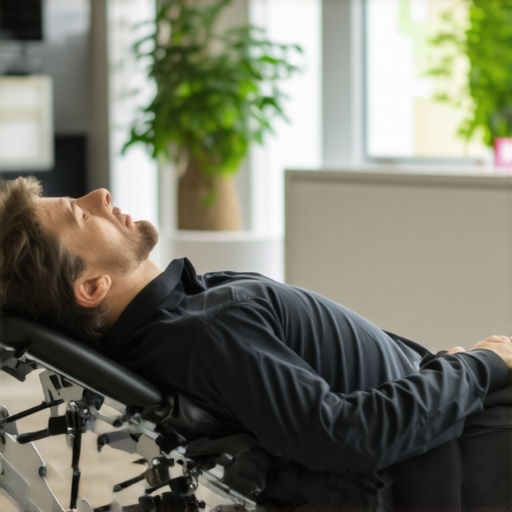
One evening, after another long day of battling nagging lower back pain and that relentless shooting sensation down my leg, I remembered what my friend told me about inversion tables. Skeptical but desperate, I clipped it onto my ceiling and flipped upside down. And let me tell you — the relief was immediate, almost miraculous. But that lightbulb moment also came with questions. Was this just a temporary fix? Could it be the ultimate solution I’d been searching for?
Why I Became Curious About Inversion Tables for Sciatica
For years, I struggled with sciatic nerve pain that seemed to worsen with every wrong move. Conventional remedies only provided fleeting relief, leaving me frustrated and longing for a more dependable answer. When I first heard about inversion therapy, my curiosity was piqued. It promised a simple way to decompress the spine and alleviate nerve pressure — sounds too good to be true, right? Well, it turns out, there’s a lot more nuance behind this approach than most people realize.
Does Inversion Therapy Truly Ease Sciatica?
Before diving in, I made a crucial mistake early on — I assumed inversion tables were a cure-all. Instead of approaching it with a cautious, informed mindset, I jumped headfirst, risking ineffectiveness or worse. After some research and experimenting, I discovered that *not all inversion tables are created equal*, and their effectiveness varies depending on individual circumstances. For some, it’s a game-changer. For others, it might do little beyond temporary relief. This realization led me to explore more about how inversion therapy fits into a comprehensive treatment plan.
If you’re considering inversion tables as your new avenue for relief, you’re not alone. Many of us want a quick, effective solution to regain mobility and banish pain. But it’s important to understand the **truth behind their benefits and limitations**. To avoid common pitfalls, I recommend looking into trusted resources like this guide on sciatic relief strategies that emphasizes a balanced approach.
What Comes Next?
In the upcoming sections, I’ll share practical insights and tested techniques on how to safely incorporate inversion therapy into your recovery routine — if it’s right for you. We’ll also explore the science, potential risks, and how to maximize benefits without risking injury. So, if you’ve faced similar struggles and are tired of fleeting fixes, stay tuned — a smarter, more effective path to relief awaits.
Positioning Yourself Correctly
Start by choosing a sturdy inversion table that supports your weight and height. As I learned during my first attempt, failing to align straps and supports can make the session uncomfortable or ineffective. Secure the ankle supports tightly, ensuring they won’t slip during inversion. When I first tried, I underestimated this step, causing a wobble that nearly threw me off. Take your time to adjust these before flipping upside down.
Preparation Before Inversion
Before flipping, clear the area of any objects or clutter to prevent accidents. Lie flat on your back and bend your knees slightly to relax your lower back muscles. Take a few deep breaths to relax your body. I remember feeling tense initially, which made inversion uncomfortable; a few minutes of breathing helped me relax and get more benefit from the session.
Executing the Inversion Safely
Use the handles to gently tilt your weight backward, gradually reaching your desired angle—start with no more than 20-30 degrees if you’re a beginner. Avoid rushing; move slowly to prevent dizziness. When I first inched down, a sudden tilt made me dizzy, emphasizing the importance of slow movement. Keep your core engaged to maintain control, similar to bracing for a gentle punch, which stabilizes your spine during inversion.
Holding the Inversion Position
Once inverted, stay in position for 1-3 minutes, listening to your body. If you experience dizziness or discomfort, gently return to the upright position. During my initial sessions, I underestimated how long to stay inverted. Starting with short durations and gradually increasing helps your body adapt without strain. Use the inversion table’s release lever to come back smoothly—don’t rush this process.
Post-Inversion Recovery
After returning to an upright position, remain seated for a minute or two, allowing your blood pressure to normalize. Gently walk around and avoid abrupt movements to prevent dizziness. I noticed that rushing to stand immediately after inversion caused lightheadedness, so I adopted a slow transition that felt safer and more comfortable.
Integrate Regular Sessions into Your Routine
Consistency is key. Aim for 2-3 sessions per day, each lasting 1-3 minutes, gradually increasing as tolerated. Keep a journal of your sessions to track progress and signs of improvement. Remember, inversion therapy complements other treatments like stretching or physical therapy. If you experience persistent pain or adverse symptoms, consult a healthcare professional.
Safety Tips to Keep in Mind
Always follow the manufacturer’s instructions and avoid inversion if you have certain conditions like high blood pressure, glaucoma, or heart problems. To visualize the proper technique, consider reviewing this comprehensive guide. Never attempt inversion alone if you’re unsure, and prioritize your safety whenever starting out. Remember, patience and gradual progression are essential to making inversion therapy a safe and effective tool for sciatic relief.
Many people believe that back pain, sciatica, and neck discomfort are straightforward issues that only require quick fixes, but this oversimplification can hinder real progress. A prevalent myth is that pain always signals a damaged disc or nerve compression needing surgical intervention. In reality, research indicates that a significant portion of chronic back pain cases are linked to muscular imbalances, posture, or even psychological factors like stress—factors often overlooked by the average person but highlighted in studies such as those published in this scholarly review.
Another misconception is that maintaining complete rest is the best approach. Contrary to this belief, early mobilization has been shown to promote faster recovery and prevent deconditioning, especially when integrated with targeted exercises like those discussed in neck pain recovery strategies.
Are You Falling for These Mistakes When Managing Pain?
One common trap is believing that all pain is directly indicative of structural damage. This is misleading because pain perception is complex and influenced by various factors, including posture habits and movement patterns. For example, tight hip flexors may contribute to lower back discomfort without any disc herniation. Recognizing such nuances allows for more effective, personalized treatment plans, integrating ergonomic adjustments and functional mobility work available via resources like ergonomic tips for improved mobility.
Furthermore, the belief that neck pain is always caused by cervical spine issues neglects the role of stress and jaw tension, which can translate upward and worsen discomfort. Some studies, such as those compiled in neck tension techniques, reveal that addressing muscle tension, posture, and stress holistically yields better outcomes.
Overlooking these subtleties can lead to ineffective treatments or the exacerbation of symptoms. It’s critical to approach back and neck ailments with a nuanced understanding rather than falling prey to overly simplistic narratives. Are you guilty of any of these misconceptions? Share your experiences or questions in the comments—I’d love to hear your story.
Investing in Your Recovery Tools
Maintaining back health over time requires more than just intermittent exercises — it hinges on the right tools that support consistency and effectiveness. Personally, I rely heavily on a high-quality foam roller and a set of resistance bands. The foam roller, especially a dense, 36-inch model, allows me to target deep tissue adhesions, improving my mobility and preventing stiffness. I use it daily, focusing on my thoracic and lumbar regions, because regular self-myofascial release keeps my spine flexible and reduces soreness. Resistance bands, on the other hand, enable me to perform gentle strengthening routines for my core and hip stabilizers, which are pivotal in preventing sciatica flare-ups.
For precise guidance, I turn to tools like the mobility mastery exercises. They help me incorporate mobility drills into my daily routine, ensuring I don’t fall into patterns of stagnation, which is detrimental for long-term health. Consistency with these tools is what makes the difference between temporary relief and sustained wellness.
Embrace Technology to Track Your Progress
Another game-changer in my routine has been wearable posture correction devices. Devices like smart posture monitors provide real-time feedback, alerting me when I slouch or adopt poor alignment during work or everyday activities. Over time, this awareness has rewired my habits, aligning my spine correctly and reducing neck pain caused by forward head posture. As studies suggest, integrating technology enhances accountability and accelerates habit formation—key components for maintaining mobility.
App-based routines, such as guided stretching or mobility sessions available on platforms like this resource, offer structured progress tracking. Seeing tangible improvements motivates me to stay committed, knowing that my efforts are paying off in better posture and less pain.
How do I ensure longevity in back health?
Long-term maintenance isn’t just about tools; it’s about integrating habits that sustain mobility and prevent setbacks. Regular ergonomic assessments, like adjusting my workstation following ergonomic principles outlined in this guide, ensure I’m not undoing my progress in daily activities. Additionally, scheduling periodic consultations with a physical therapist helps me stay on track and adapt my routines as my body evolves. As an example, I follow the recommendations from scholarly research highlighting the importance of professional oversight in managing chronic pain effectively.
To truly lock in my gains, I make incentivized goals—like completing a mobility challenge every month or updating my routines based on recent research—and celebrate small victories along the way. Combining these strategies creates a resilient foundation where back health can thrive without constant vigilance.
Scalability and Future Trends
Looking ahead, I predict a surge in personalized compliance technology—like AI-driven routines tailored to individual biomechanics—and smarter wearable devices that provide real-time, actionable feedback. The integration of virtual reality in guided mobility exercises could also revolutionize how we maintain back health on a daily basis, making consistency more engaging and accessible.
But, to maximize these tools, I encourage you to start simple: try incorporating a targeted mobility drill or using a posture alert device today. Small, consistent steps set the stage for long-term success and sustained relief.
Three Hidden Truths That Changed My Approach to Pain
One of the hardest lessons I learned was the misconception that pain always signals structural damage needing aggressive treatment. In reality, I discovered that muscular imbalances and postural habits often play a bigger role than I initially thought, which emphasized the importance of holistic assessment rather than quick fixes. Another lightbulb moment was realizing that consistent, small daily habits—like mindful movement and ergonomic adjustments—outweigh sporadic intense sessions. Lastly, I learned to listen to my body more attentively; pushing through discomfort only delayed progress, and embracing gentle, deliberate practices accelerated my healing journey.
Tools That Elevated My Back and Neck Health
My essential toolkit includes a dense foam roller, which I rely on for targeted myofascial release, helping maintain flexibility and reduce stiffness. Resistance bands have been invaluable for strengthening core and stabilizer muscles without overloading my joints, crucial for preventing flare-ups. I also trust scholarly resources like this guide on sciatic relief strategies to inform my routines, ensuring I prioritize evidence-based practices. For ongoing motivation and tracking progress, wearable posture monitors and app-guided routines have kept me accountable and informed, making consistency more achievable.
Believe in Your Power to Heal and Move Forward
Your journey toward back and neck relief is unique, and every small step counts. Embrace trial and error with patience, knowing that incorporating smart tools, mindful habits, and trusted guidance can transform your pain management. Remember, long-term wellness isn’t about perfection but persistence. Now is the perfect time to take action—your best days of mobility and comfort are ahead! Are you ready to start implementing these insights today? Share your thoughts or questions below, and let’s build a healthier, stronger future together.