
Why your ergonomic chair is causing mid-back pain
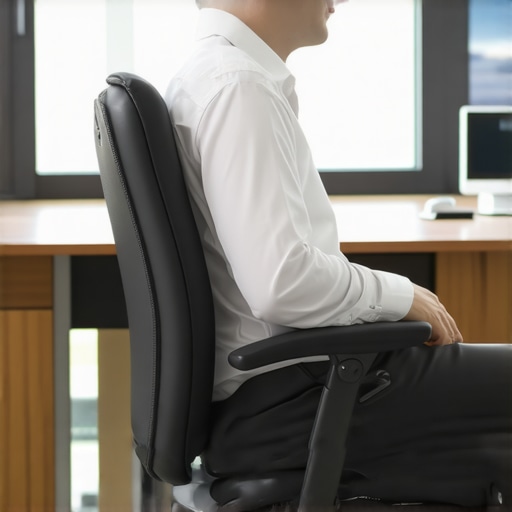
I remember that moment vividly. I was sitting at my desk, feeling that dull, nagging ache creeping up between my shoulder blades. At first, I brushed it off as just another day of bad posture or minor strain. But as days turned into weeks, the discomfort settled into my mid-back, making every minor task feel like a chore. It was frustrating—I had invested in what was supposed to be an ergonomic marvel, yet my pain only worsened. That lightbulb moment hit me hard: Could my chair be the culprit?
Why an Office Chair Could Be Wrecking Your Back
The truth is, I was making a common mistake early on: assuming that buying an ergonomic chair alone would solve all my problems. But it’s not just about having the fanciest adjustability features or the plushest cushions. Sometimes, the very chair meant to support us can become a silent villain if set up improperly or if it simply doesn’t suit our body type and habits. I learned that ergonomic design is only effective when properly tailored to your unique shape and posture needs. Once I started tweaking my chair’s position and paying attention to how I sat, the relief was almost immediate. If you’ve been battling persistent mid-back pain despite what you thought were the best tools, this post is for you. I’ll walk you through the common pitfalls and, more importantly, how to fix them.
Is Your Chair Really Worth The Hype?
One of my biggest early mistakes was believing that a high-end chair would automatically eradicate my pain. It wasn’t until I examined my habits—how I adjusted (or didn’t adjust) my chair—and my posture throughout the day that I realized I was missing the bigger picture. Trust me, it’s easy to fall into the trap of thinkingsomething expensive is the solution, but how you use it makes all the difference. If you’re skeptical about whether your current setup could be costing you more than you think, you’re not alone. Many people, myself included, overlook simple adjustments that could make a world of difference. Before you rush into another purchase, I recommend exploring what really matters in ergonomic design and setup, which you can find more about in expert guides like this article on back pain breakthroughs. We’ll get into actionable steps next, so stay tuned to transform your workspace into a pain-free zone.
Align Your Workspace for Immediate Relief
Start by adjusting your chair height so your feet rest flat on the floor, and your knees are at a 90-degree angle. Place your lumbar support so your lower back maintains its natural curve. Sit back fully in the chair, ensuring your shoulders are relaxed and not hunched forward. This simple setup can drastically reduce strain on your mid-back. I once spent a day fine-tuning my office posture, which immediately alleviated some of my persistent discomfort.
Master Your Sitting Habits to Avoid Slouching
Practice the 90-90-90 hip position by sitting with your hips and knees at right angles, which helps distribute pressure evenly across your spine. Use a small cushion or rolled towel behind your lower back to encourage proper lumbar curvature. Set a reminder to stand and stretch every 30 minutes—this interrupts prolonged sitting, a common villain in back pain. When I integrated these habits, I noticed a significant decrease in my stiffness, especially after long virtual meetings.
Incorporate Micro-Movements during the Day
Every 20-30 minutes, perform gentle spinal movements like the cat-cow stretch to mobilize your thoracic spine. This improves flexibility and prevents joints from stiffening. To do this, get on all fours, inhale as you arch your back up like a cat, then exhale as you dip it down. I used to ignore these small movements, but once I committed to doing them regularly, my overall mobility improved noticeably.
Strengthen Your Core for Lasting Support
Engage in exercises like planks or dead bugs daily to reinforce the muscles supporting your spine. A strong core acts like a natural brace, reducing strain on your back during movement. I started with just 30-second planks, gradually increasing duration as my strength improved. Over a few weeks, I felt less frequent mid-back discomfort and better posture when sitting or standing.
Optimize Your Sleep Environment for Better Recovery
Use a supportive pillow and select a mattress that keeps your spine aligned. Avoid sleeping on your stomach, which forces your neck into rotation and strains your back. Instead, try sleeping on your side with a pillow between your knees to maintain pelvic alignment. Adjusting my sleep setup brought noticeable relief in the mornings, eliminating that stiff, sore feeling in my back.
Integrate Targeted Mobility Techniques
Regularly perform specific stretches like the thoracic bridge or hip flexor releases to address tightness that contributes to back pain. Incorporate these into your daily routine or post-workout. For example, the thoracic bridge helps open up the upper back and shoulders. I added this stretch to my evening routine, which helped reduce my overall tension and improved my posture during the day.
Many believe that simply stretching more or taking painkillers can resolve chronic mobility issues, back pain, or sciatica. However, as an expert in this field, I can tell you that there’s often a deeper, less obvious factor at play. Myth busting alert: a common misconception is that all pain originates from tight muscles needing more stretching. The truth is, sometimes muscles are already overstretched or weak, making additional stretching not only ineffective but potentially harmful. Instead, understanding the fine balance between mobility, stability, and neural factors is crucial for sustainable relief.
Why do so many advanced routines fail to deliver lasting results?
In my practice, I see many clients following complex mobility protocols, only to experience temporary improvements at best. The key nuance often missed is assessing the underlying causes: is it joint restriction, neuromuscular control, or fascia tightness? Addressing only surface-level symptoms without considering these core factors can lead to a cycle of frustration. Moreover, engaging in aggressive or improperly performed mobilizations can lead to overstretching ligaments or destabilizing the joint, increasing the risk of injury. Be alert to the ‘Oops’ trap: pushing through pain or performing advanced stretches without proper groundwork can set you back months.
This brings us to an intriguing question: How can an expert distinguish between pain that indicates tissue protection and that which signals genuine mobility limitations? The answer lies in nuanced assessments—something you can learn if you pay close attention to your body’s responses and consult tailored strategies. For example, incorporating nerve glides or fascia-specific techniques, like those described in neck pain solutions, can offer targeted relief that addresses root causes rather than just symptoms.
Finally, a word of caution: avoid the trap of confusing stiffness with stability. Sometimes, what feels like a tight muscle is actually a protective response from your nervous system. Unwarranted stretching may weaken your structure further and invite instability or re-injury. For a more detailed, expert-led approach, consider exploring advanced mobility techniques that respect your body’s complexity.
Understanding and respecting these nuances is what separates temporary fixes from lasting wellness. Have you ever fallen into this trap? Let me know in the comments, and remember: real progress starts with informed decisions.
Maintaining your mobility and managing pain over the long term requires more than just awareness; it demands the right tools and consistent routines. Personally, I rely on a combination of ergonomic equipment, targeted exercises, and software reminders to ensure I stay on track. One essential piece of equipment I recommend is a quality foam roller, specifically a dense, high-density version. I use it daily for my thoracic spine and hips, as it helps release fascia tightness and improves tissue flexibility. For example, a technique I swear by involves rolling out the thoracic region with a 12-inch foam roller, which I detailed in this article—it’s transformative for posture and pain relief.
Smart Tech to Track Progress and Reminders
Alongside physical tools, digital solutions have become game-changers. I utilize mobile apps that send reminders to stand, stretch, or perform micro-movements at regular intervals. These apps help ingrain habits, especially during busy workdays. Over time, they help build consistency, which is crucial for long-term results. Looking ahead, I believe wearable technology—like posture sensors embedded in smart clothing—will become more sophisticated, providing real-time feedback and tailored correction cues, making self-maintenance even more effective.
The Power of Guided Programs and Expert Support
While tools and apps are beneficial, personalized guidance often enhances outcomes. I recommend engaging with virtual programs or perhaps consulting a mobility expert for tailored routines, especially for complex issues like sciatic nerve impingement. For instance, exploring targeted nerve glides or fascia releases can drastically improve your condition. If you’re curious about advanced techniques, you might find this expert guide insightful. Remember, maintaining mobility isn’t a one-time fix but a lifelong commitment involving the right tools, habits, and expert input.
How do I keep my back and neck healthy over time?
The key is consistency. Incorporate daily mini-mobility routines, use ergonomic equipment correctly, and stay aware of your body’s signals. Regularly revisiting your setup and making small adjustments can prevent issues from spiraling. Additionally, integrating core strengthening exercises—like planks, as discussed in this article—provides lasting support for your spine. Predicting the future of mobility management, I see a trend towards smarter, AI-driven systems that analyze your movement patterns and suggest personalized interventions—making long-term maintenance more proactive than reactive.
One effective tip I encourage you to try now is to set a timer or use a reminder app to pause every 30 minutes during your workday for a quick micro-mobility session. Simple moves like gentle thoracic twists or pelvic tilts can make a significant difference in preventing stiffness and soreness. To deepen your routine, consider exploring targeted stretches and strengthening routines here for back health.
Throughout my journey managing mobility, back pain, neck pain, and sciatica, one thing stood out: the most profound lessons often come from unexpected challenges. I discovered that my deepest breakthroughs were born from reevaluating common beliefs and realizing that simple adjustments can have outsized impacts. For example, I once believed that aggressive stretching was the answer—only to learn that understanding my body’s specific needs was far more effective. These personal lightbulb moments have transformed my approach from reactive to proactive, emphasizing the importance of tailored, consistent routines over quick fixes. Embracing the nuanced factors behind pain—like nerve involvement or fascia tightness—has been pivotal, shaping strategies that deliver lasting relief rather than temporary escape. This perspective is what I wish to pass on: true mastery begins with awareness, humility, and the willingness to explore beyond surface-level solutions, leading to sustainable mobility and wellness.