
Why Your Hamstrings Feel Tight Even After Stretching
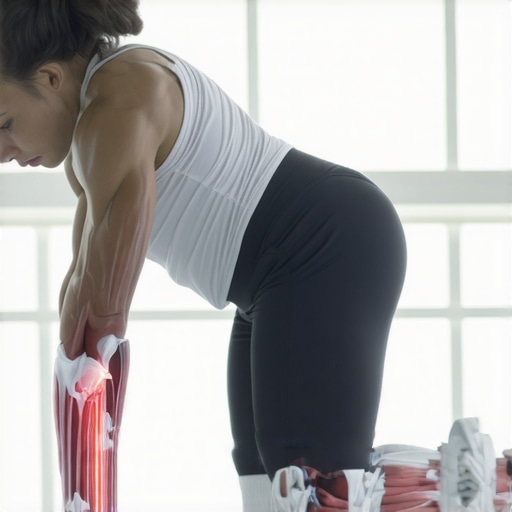
Ever been frustrated after spending time stretching your hamstrings only to find they still feel tight, stiff, or even painful? I remember the lightbulb moment when I realized I wasn’t alone in this struggle. I’d spend minutes, sometimes even half an hour, trying to loosen up those stubborn muscles, only to wake up the next day with the same discomfort. It felt like my efforts were doing more harm than good, and I started questioning if stretching was even worth it.
But here’s the truth I’ve discovered through my own journey and countless clients’ experiences: our bodies don’t always respond the way we expect to traditional stretching routines. Sometimes, those tight hamstrings are not just a matter of inflexibility but a sign of deeper issues lurking beneath the surface. So, today, I want to help you get to the root cause and finally find lasting relief.
Why Do Hamstrings Stay Tight Even After Stretching?
Is Overstretching Actually Making Things Worse?
This was a mistake I made early on—I always believed that stretching more was the answer. I would push myself further, hold longer, believing I was beating tightness into submission. Turns out, this approach often worsens the problem. Overstretching can lead to micro-tears, increased muscle tension, and worse discomfort. Instead, focusing on proper mobility and understanding your body’s signals is key.
Research shows that muscle tightness often stems from protective mechanisms your body adopts in response to injury, poor posture, or nerve irritation—like sciatic nerve compression. When nerves become pinched or inflamed, muscles can tighten up as a defense, even if the muscle itself isn’t the real culprit. That’s why just stretching the hamstrings rarely provides lasting relief; it’s like trying to fix a leak by turning off the water supply—you’re missing the real source of the problem.
If you’ve been battling this stubborn tightness, you’re probably wondering if your stretching routine is doing more harm than good. Don’t worry—there are better strategies that target the cause, not just the symptom. For a deeper look at nerve-related discomfort and how to manage it, check out this article on sciatic relief techniques. But first, let’s address some common fears that might be holding you back from making real progress.
Start with Gentle Movement to Break Stiffness
Move Gradually, Don’t Overdo It
Announcing my own messy attempt, I remember trying to push into a deep hamstring stretch after a long day, only to feel a strange tug that made me pause. Instead, I started with slow, controlled movements like pelvic tilts and gentle leg swings. These prepare your muscles and nervous system, reducing the risk of aggravating tightness. Think of it as warming up your car engine before a drive—rushing wrecks the engine. Incorporate 5-minute dynamic warm-ups daily, focusing on rhythm and control to ease muscle tension.
Use Specific Mobilization Techniques
Target Nerve and Fascia Restrictions
Next, I personally tried rolling out my hamstrings with a foam roller, but I soon realized that focusing on nerve glides and fascia release yields better results. For example, knee to chest movements combined with gentle sciatic nerve stretches can help. Applying gentle pressure with a tennis ball on tight spots (just below the glutes) can loosen fascia adhesions. This technique is like freeing a knot in a rope—smooth, deliberate, without forcing. Regularly performing these techniques, especially after movement warm-up, significantly improves flexibility and reduces pain.
Prioritize Strengthening Over Stretching Alone
Build Muscle Balance for Lasting Relief
While stretching alone offers temporary relief, integrating strengthening exercises stabilizes the area. I had a moment where I incorporated glute bridges and core stabilization while watching TV and noticed my hamstring tightness diminished over weeks. It’s like fixing a leaky pipe by replacing the faulty valve—addressing the root problem prevents the leak. Focus on exercises that activate your posterior chain, such as deadlifts or hip bridges, to balance tight, overactive hamstrings.
Manage Posture to Prevent Reinjury
Correct Daily Habits and Sitting Patterns
Once I started paying attention to my sitting habits, I noticed that slouching increased my hamstring tightness. Sitting with hips slightly higher than knees and keeping my back straight improved circulation and eased tightness. Think of your body as a house; if the foundation (posture) is weak, everything else suffers. Incorporate ergonomic modifications like standing desks or lumbar supports, and avoid prolonged sitting periods. For a comprehensive approach, check out this article on posture correction.
Integrate Consistent Routine for Long-Term Gains
Make Mobility a Daily Habit
Finally, I discovered that consistency is key. I set alarms to remind me to stand and stretch every hour. Over time, these micro-movements became part of my routine, much like brushing my teeth. The result? Noticeable reduction in stiffness, improved flexibility, and a happier, more relaxed hamstring. Think of your body as a garden—regular watering and care yield the best blooms. Use gentle, daily mobility drills, and patience will turn tight muscles into flexible, pain-free tissues.
Challenging the Myth of Rest as the Ultimate Cure
Many believe that bed rest is the best solution for acute neck or back pain, but evidence suggests otherwise. Prolonged inactivity can actually slow recovery by weakening muscles and reducing mobility. Staying gently active, through targeted movements, promotes circulation and accelerates healing, a concept supported by recent studies in musculoskeletal health. Instead of locking yourself in a dark room, consider guided movement strategies that stimulate recovery without aggravating pain. For effective techniques, visit these proven neck pain solutions.
Myth of Spot-Targeted Exercises for Sciatica
A common misconception is that specific stretches or exercises directly relieve sciatic nerve compression. While certain movements can help, they often overlook the complexity of nerve entrapment and surrounding fascial restrictions. Overdoing isolated stretches might even irritate nerve tissues or cause microtrauma, leading to longer recovery times. The more effective approach involves holistic mobility and addressing underlying issues like posture or pelvic alignment. Discover comprehensive strategies at this article on sciatic relief. Remember, advanced resolution often requires a nuanced, whole-body approach rather than simple tension hacks.
Why Do People Still Believe Flexibility Is the Key?
There’s a widespread belief that increasing flexibility alone will solve all mobility issues. In reality, hyperflexibility—especially when unaccompanied by strength—is a recipe for instability and pain. Lingering misconceptions suggest that stretching is inherently good and that tight muscles are always the problem, but this oversimplifies complex neuromuscular relationships. Sometimes, muscles tighten as a protective response to nerve irritation or joint instability. If you want to build true resilience, focus on strengthening the muscles that support your spine and joints. Check out easy exercises to enhance back mobility for a more balanced approach.
Beware the Overstretching Trap
One oops I encountered was pushing through pain in an effort to ‘improve’ flexibility. That’s a common trap—believing more stretching equals faster healing. However, overstretching can damage tissues, increase inflammation, and lead to worse stiffness, not better mobility. Respect your body’s signals; gentle, controlled movements combined with strength and stabilization work best. This caution is especially crucial when dealing with herniated discs or nerve compression, where aggressive stretching could exacerbate the issue. To learn about safe methods, review these tips on safe stretching. Always aim for progress, not pain.
How Do You Know When You’re Doing It Right?
Suppose you’re eager to improve your mobility and reduce pain—how can you tell if you’re on the right track? The answer involves paying attention to your body’s responses: are movements becoming easier and less painful? Is your posture improving over time? Are you experiencing less numbness or tingling? Consulting with a specialist who understands the nuances of neuromuscular health can make a big difference. This ensures you’re not just chasing symptoms with temporary fixes but targeting root causes. For personalized guidance, explore these advanced techniques. Remember, true mastery of mobility involves patience, awareness, and tailored strategies—so avoid common pitfalls and keep learning. Have you ever fallen into this trap? Let me know in the comments.
Keeping It Working: Essential Tools for Sustainable Pain Relief
When it comes to maintaining spinal mobility and alleviating pain over the long haul, having the right tools can make all the difference. I personally rely on a combination of targeted equipment and smart routines that reinforce progress and keep issues at bay. One game-changer is a quality foam roller. I prefer a medium-density roller because it offers enough tension to release fascia without causing microtrauma. Regular use—dedicated to gentle rolling on the hamstrings, glutes, and lower back—helps prevent adhesions that can re-trigger tightness. An important tip: incorporate nerve glide techniques during foam rolling sessions; this ensures you’re addressing nerve-related restrictions, not just muscle tension.
How do I maintain mobility over time?
Another indispensable tool is resistance bands. They aren’t just for rehab; they’re excellent for strengthening stabilizers and correcting muscular imbalances. I use a loop band for hip abduction and glute activation exercises, which I’ve found crucial in preventing relapse of sciatic discomfort. I also recommend coupling these with mobility apps or guided video routines—such as those from reputable physiotherapists—to ensure proper form and progression. It’s worth noting that, as technology advances, personalized programs tailored to your specific needs are becoming more accessible, making long-term maintenance more sustainable. I predict the trend will lean towards integrating smart wearables that monitor posture and muscle engagement, alerting you before issues flare up. This proactive approach ensures small adjustments can prevent big setbacks.
Tools to consider for continued success
Investing in a professional-grade massage ball can help pinpoint stubborn knots that resist foam rolling—these tools allow for deep tissue work in specific trigger points. Use it with caution, focusing on gentle pressure to avoid inflammation. Additionally, ergonomic accessories like adjustable sit-stand desks and lumbar supports are vital to maintaining proper posture throughout the day, especially if you work at a desk regularly. Regular ergonomic assessments can optimize your workstation, reducing strain and preventing pain re-emergence. It’s also advisable to periodically review your exercise and stretching routines with a physiotherapist to adapt to your evolving needs. Considering innovations like wearable posture sensors, which provide real-time feedback, can help sustain good habits long-term.
What about scaling for continued progress?
As your mobility improves, gradually increase the intensity of strengthening exercises and incorporate compound movements tailored to your body’s response. For example, progressing from isolated glute bridges to single-leg Romanian deadlifts can build resilience. Tracking your progress through a simple journal or mobile app can help identify patterns and prevent plateaus. Remember, the key to sustained health is consistency; these tools serve as both reminders and motivators, ensuring that mobility and pain-free function become an ingrained part of your lifestyle. For targeted advice on overcoming setbacks, explore this resource on back pain breakthroughs and consider scheduling a consultation to refine your strategy. Now, I challenge you to pick one tool—perhaps the resistance bands—and integrate it into your daily routine. Notice how small, consistent efforts compound over time to keep your body functioning at its best.
What No One Tells You About Overstretching and Its Hidden Dangers
One of the most eye-opening lessons I learned is that pushing beyond your body’s signals can do more harm than good. I used to believe that stretching longer and more frequently would accelerate relief, but I realized that excessive stretching often aggravated my issues, leading to micro-tears and increased muscle tension. This taught me the importance of listening to my body and focusing on gentle movements that promote mobility without risking injury.
The Power of Addressing Root Causes Over Surface-Level Fixes
I discovered that tight hamstrings often hide deeper problems like nerve impingements or fascial restrictions. Simply stretching the muscle wasn’t enough—I had to explore techniques that release fascia and nerve entrapments. Incorporating nerve glides and fascia release into my routine proved transformative, allowing me to achieve lasting flexibility rather than temporary relief.
Why Consistency Trumps Intensity in Long-Term Mobility Solutions
Early on, I believed that intense, infrequent sessions were effective, but I soon realized that daily, manageable movement habits created sustainable progress. Micro-movements, like pelvic tilts or gentle band exercises, became part of my lifestyle, preventing stiffness and discomfort from returning. This approach emphasized that small, consistent efforts outweigh occasional intense stretches.
Understanding the Critical Role of Posture and Daily Habits
I learned that everyday positions—like sitting with poor ergonomics or slouching—contribute significantly to ongoing tightness and pain. Adjusting my workstation, incorporating standing breaks, and maintaining awareness of my posture kept my muscles relaxed and my nerves uncompressed. Recognizing that posture is a daily commitment changed how I approached long-term health.
Choosing the Right Tools to Reinforce Progress
Through trial and error, I found that well-chosen tools like foam rollers, resistance bands, and ergonomic accessories are essential for maintaining mobility. Regular use of foam rollers to release fascia, coupled with targeted strengthening exercises, created a resilient body that could handle daily stresses, reducing reliance on passive treatments and encouraging active recovery.
Curated Resources That Shaped My Recovery Journey
If you’re eager to dive deeper, I recommend exploring foundational guides on mobility and nerve health. This neck pain recovery guide offers practical strategies, while here discusses sciatic relief techniques that address underlying nerve issues. These resources anchored my understanding and empowered me to take control of my healing process.
Your Next Step in Regaining Freedom of Movement
Remember, progress in neck, back, and sciatica mobility isn’t about quick fixes but about making mindful, consistent choices. Embrace gentle movement, prioritize posture, and equip yourself with trusted tools—over time, you’ll notice a real transformation. Don’t hesitate to start today; every small step writes your success story.