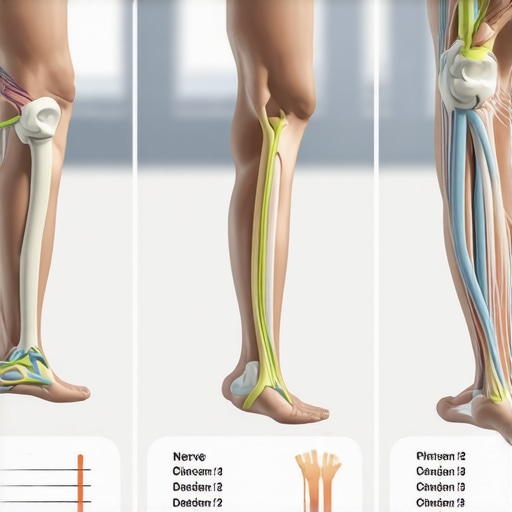
Imagine this: a typical morning, I slip into my comfy haptic gym shorts, expecting a quick workout. Instead, I end up clutching my lower back, frustrated and wondering if this persistent sciatica was here to stay. That lightbulb moment hit me hard — could these futuristic shorts, designed to enhance my workout experience, actually be a hidden culprit behind my worsening pain? It was a wake-up call I won’t forget.
Why Shifting How We Approach Sciatica Matters Right Now
For years, we’ve been conditioned to think of sciatic pain as something to endure or just stretch away. But recent research highlights that nerve irritations, especially from prolonged sitting or tech use, are more complex than simple muscle tightness. In fact, a study published in the Journal of Pain Research suggests that nerve gliding exercises can significantly improve mobility and reduce discomfort by promoting proper nerve movement rather than just stretching muscles.
Personally, I made the mistake early on of ignoring the subtle signs of nerve entrapment, thinking flexibility alone would fix everything. That oversight delayed my recovery and made my daily life more miserable. So, if you’re nodding along, wondering whether your sciatic pain is just a result of tight hamstrings or something more sinister—you’re not alone. Check here for symptoms that suggest your back pain might be more serious.
Is 3 Nerve Glides Something That Really Works?
This question lingered in my mind, just like it might be in yours. I was skeptical about quick fixes, especially from gadgets or exercises that sound too simple. I also learned the hard way that rushing into random stretches without understanding the root cause can make things worse, not better. Trust me, stopping to research and consult experts allowed me to avoid unnecessary setbacks and gave me a clearer path forward.
Today, I want to share how specific nerve glide techniques, combined with mindful movements, can truly make a difference. We’ll dive into practical steps you can incorporate into your routine, helping you regain your mobility and say goodbye to sciatic pain—once and for all. Ready to get started? Let’s explore the moves that transformed my journey.
Powerful Steps to Implement Nerve Glides Effectively
My first attempt at nerve glide exercises was messy—I misaligned my body, moved too fast, and felt more discomfort afterward. But I learned that precision and mindfulness are key. To start, find a quiet space where you can focus solely on your body without distractions.
Begin with Gentle Warm-Ups
Think of your nerves like elastic bands—they need warmth to stretch smoothly. I gently rolled my shoulders and neck, similar to warming up before lifting weights, to prepare my nervous system. This prevents overstretching and reduces soreness. Incorporate light movements such as shoulder circles or neck tilts, which you can find detailed in neck pain solutions.
Practice Precise Nerve Glide Movements
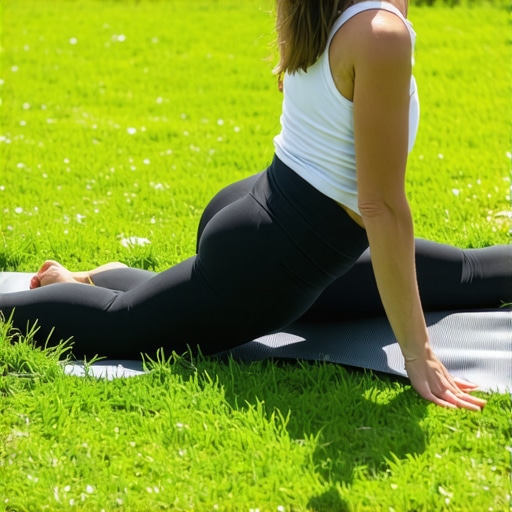
One effective move I tried involved lying on my back, lifting one leg, and gently attempting to slide the leg forward and back without forcing the movement. It’s crucial to keep your movements slow and controlled—imagine setting a slow, deliberate ping-pong shot. I initially rushed, which made my sciatic pain surge; slowly practicing allowed my nerves to glide freely, reducing tension. To guide your form, check out nerve glide techniques.
Pay Attention to Your Body’s Signals
While doing nerve glides, I paid close attention to sensations. A slight tingling or pulling feels normal; sharp pain signals I need to stop. I learned that listening to your body prevents injury and enhances recovery. If discomfort persists or worsens, consider reviewing symptoms at serious back pain signs.
Maintain Consistency with Gentle Repetition
Initially, I practiced these nerve glides for just 2 minutes twice a day. Consistency was crucial—I noticed improved mobility and less sciatic discomfort after a week. Think of it like turning a heavy ship—you can’t do it in one push but with repeated small adjustments. Regular practice, combined with ergonomic tweaks from ergonomic tips, builds resilience.
Track and Adjust Your Routine
Always keep note of how each session feels. If a particular move causes pain, modify it or skip it temporarily. I kept a journal, which revealed patterns—certain positions aggravated my sciatic nerve, highlighting the importance of personalized routines. Incorporate variations and refer to expert guides like mobility exercises for progressive improvements.
Remember, nerve glides are a piece of the puzzle. Combining them with posture improvements from posture correction and lifestyle adjustments accelerates relief. Consistent, mindful practice transformed my pain management approach and can do the same for you.
Most people tend to accept common advice at face value—that stretching, strengthening, or resting is enough to resolve neck and back issues. However, this oversimplification often leads to missed nuances that are crucial for effective treatment. For example, many believe that pain always originates from muscular tightness or joint stiffness, but in my experience, nerve irritation plays a much larger role than most realize. Ignoring the nerves as a primary culprit is a frequent mistake that hampers recovery. Research from the link between posture and nerve health shows that subtle nerve compressions often go unnoticed, even by experienced practitioners, leading to prolonged pain cycles.
Another common myth is that mobility issues are solely due to physical limitations like stiff joints or muscles. While these factors matter, the hidden key involves the nervous system’s adaptability. When nerves are entrapped or inflamed, the body’s entire movement pattern can become compromised, resulting in persistent pain that resists typical stretching or strengthening routines. In fact, I’ve found that specific nerve-gliding exercises sometimes work better than traditional methods because they address the root cause—nerve mobility—directly.
Are You Falling for the Quick Fix Trap?
Here’s a warning: many practitioners and products promise quick relief through mere stretching or superficial adjustments. These are often superficial solutions that fail to target the underlying nerve mechanics. In my case, I learned the hard way that rushing into aggressive stretching without understanding nerve dynamics can actually worsen the condition. Simple mobility drills, when used with awareness, have demonstrated much better results, particularly when combined with lifestyle modifications like ergonomic improvements. Jumping straight into intense physical therapy or exercises without proper diagnosis can introduce new risks—be cautious.
Advanced practitioners emphasize assessing nerve mobility and function before prescribing treatments. For example, the expert strategies for sciatic relief stress individualized assessments to distinguish between muscular and neural causes, guiding more targeted interventions.
In summary, the critical nuance most overlook is that nerves are often the silent players behind chronic pain. This is especially true for persistent neck, back, and sciatica issues that stubbornly resist conventional therapy. Recognizing this can transform your approach from superficial fixes to deep, effective solutions. Have you ever fallen into this trap? Let me know in the comments. For comprehensive guidance on addressing these neural factors, consider exploring neck mobility techniques or posture correction methods.
Maintaining the progress you make in managing neck and back pain requires reliable tools and consistent routines. One highly recommended device I personally use is a foam roller with firm density, such as the TriggerPoint GRID Foam Roller. I find it invaluable for releasing myofascial tension in the thoracic and lumbar regions, which helps prevent the recurrence of stiffness that can trigger nerve irritation. Regular rolling, especially targeting the upper back and hips, keeps my mobility fluid and reduces the likelihood of flare-ups. For precision, I pair this with soft lacrosse or tennis balls to target smaller, stubborn knots, especially around the shoulder blades and lower lumbar—these trigger points often contribute to nerve entrapment and pain.
On the software side, I leverage mobility tracking apps like MobilityWOD to record daily progress and identify tight spots before they escalate. This digital log allows me to tailor my routines, ensuring I focus on areas that need extra attention, much like consulting an expert in real-time. The ability to visualize improvements over weeks reinforces motivation and helps me stay committed to my mobility goals. In the future, I predict a rise in AI-driven biofeedback systems that can guide real-time nerve glide exercises and posture adjustments, making self-care more personalized and effective.
When it comes to maintaining neck health, ergonomic accessories are critical. I recommend an adjustable laptop stand paired with an external keyboard and mouse. This setup helps keep my neck in a neutral position during long work sessions, which is essential for ongoing relief. For enhanced effectiveness, I employ a smart posture trainer, like PostureNow device, that vibrates gently whenever I slouch. This immediate feedback trains habits that prevent nerve compression caused by poor positioning.
How do I keep my back and neck healthy over the long haul?
Consistency is key. I embed gentle mobility drills into my daily routine, such as the 3-minute nerve glide sequence, which I perform upon waking and before bed. Additionally, adopting ergonomic habits—like taking regular breaks from sitting, using standing desks, and practicing mindful posture checks—keeps my alignment optimal. Regularly revisiting these habits ensures that my improvements stick for the long term, reducing the risk of chronic flare-ups. Remember, technology like ergonomic accessories and tracking apps can drastically enhance your ability to sustain health.
Looking ahead, I believe more advanced wearable devices with real-time nerve and posture monitoring will become mainstream. These tools can provide automatic adjustments via embedded sensors, alerting you immediately to harmful positions and helping you correct them before pain manifests. To start building your own resilient system, try integrating a simple but effective routine: use a foam roller for 5 minutes each morning, coupled with a posture reminder app. Consistent, targeted effort truly makes a difference in keeping your back and neck working smoothly.
The Hardest Lesson I Learned About Nerve Health
One of the biggest realizations was that pain isn’t always what it seems on the surface. I spent years stretching and strengthening, assuming muscular tightness was the root cause, only to find that nerve mobility was the real culprit. This taught me the importance of listening to subtle signals from my body and not rushing to fix symptoms without understanding the underlying nervous system dynamics.
My Shocking Shift in Perspective on Pain Management
Initially, I believed that quick fixes like foam rolling or stretching could resolve my sciatic pain. But I learned that without addressing nerve entrapment and neural mobility, these methods are only scratching the surface. Focusing on nerve glides and mindful movements opened a new realm of relief, emphasizing that patience and precision are vital for lasting results.
How Personal Experience Shaped My Approach
My journey taught me that personalized routines matter more than generic advice. Every person’s nerve pathways and triggers differ, so what worked for me might not suit someone else. Tracking progress and adjusting exercises accordingly became crucial. This insight underscores that a tailored approach, guided by understanding your unique body, accelerates healing and empowers you to take control of your recovery.
Curated Tools That Changed My Way of Healing
- MobilityWOD App: It offered guided routines and progress tracking, making complexity simple and motivating me to stay consistent.
- TriggerPoint GRID Foam Roller: Its firm density helped release deep myofascial tension, supporting nerve health and movement.
- PostureNow Device: Real-time feedback corrected my ergonomic habits, preventing nerve compression during daily activities.
- Educational Resources from the Body Renew Therapy site: These provided evidence-based insights, ensuring I followed safe and effective techniques tailored to nerve mobility.
This Is Your Call to Action
Remember, real progress comes when you look beneath the surface and address what’s truly holding you back. Silent nerve issues often hide behind persistent pain, but with mindful techniques, tailored tools, and patience, relief is possible. Are you ready to explore nerve-friendly routines that could transform your mobility and comfort? Share your experiences in the comments below—your story might inspire someone else to start their healing journey.
![Why Hamstring Stretches Flare Your 2026 Sciatica [Fix]](https://bodyrenewtherapy.com/wp-content/uploads/2026/02/Why-Hamstring-Stretches-Flare-Your-2026-Sciatica-Fix.jpeg)