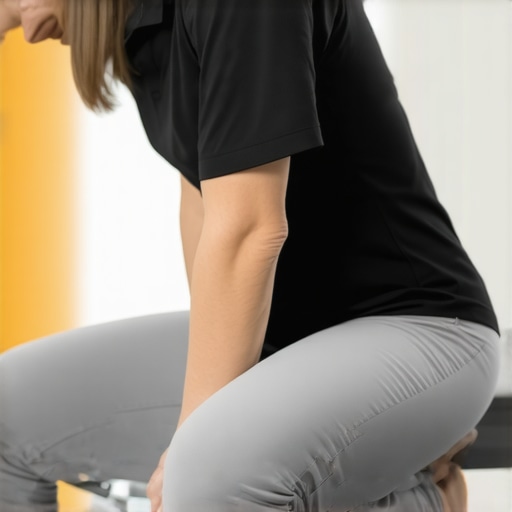
I’ll never forget the day I thought I was destined to live with that relentless shooting pain down my leg. It hit me right during a crucial meeting—suddenly, my back tensed up, and that fiery nerve sensation shot through my thigh like an unpredictable lightning strike. Frustration and hopelessness crept in. I’ve been there, exactly where you’re probably standing now—desperate for relief but unsure where to turn. But here’s the truth: there are specific, actionable mobility drills that can make a real difference—and I’ve seen them transform lives, including my own.
Why Tackling Sciatica Matters More Than Ever
In 2026, our lifestyles have become even more sedentary and tech-dependent. Long hours sitting at desks, constant screen time, and poor posture have turned many of us into unwitting hosts for nerve irritation. Sciatica, the pain radiating from your lower back down your leg, is more prevalent than ever. But here’s a startling fact—according to recent studies, up to 40% of adults experience some form of sciatic discomfort at some point in their lives, and many aren’t getting the relief they need.1 That number is only expected to rise if we don’t address the root causes. For me, early on, I made the mistake of ignoring my posture and just popping painkillers, hoping it would resolve itself. That only delayed my recovery and made the pain worse. Today, I want to share how focusing on targeted mobility drills changed my approach—and my life.
By the end of this post, you’ll have a clear idea of five effective drills that can put an end to those shooting pains and help you regain control over your mobility. Are you ready to stop suffering and start moving freely again? Let’s dive into the first step towards relief.
Is Sciatica Relief Really Achievable with Exercises?
I know what you’re thinking—can simple drills really make a difference? Early in my journey, I believed only medication or invasive procedures could help. But I learned the hard way that persistent movement and specific mobility exercises can be game-changers. One mistake I made was neglecting the importance of consistency—something I see many overlook. For true relief, regular practice of these drills, combined with good posture habits, is essential. Want to avoid common pitfalls? Check out this guide on posture for deeper insights. Now, let’s explore how these drills can help you reclaim your mobility and banish that shooting pain for good.
Targeted Hip Flexor Stretching
One of the first techniques I adopted was hip flexor stretching. Think of your hip flexors as the hinges connecting your thighs to your torso; tightness here can pull on your lower back and irritate the sciatic nerve. During a particularly messy morning, I laid on my stomach and gently pulled my knee toward my chest, holding each stretch for about 30 seconds. At first, I felt awkward—like trying to open a stubborn door—but persistence paid off. Consistently practicing this drill loosened my hip muscles, reducing nerve compression and easing pain. For a step-by-step guide, see this routine on hip stability that I found particularly helpful.
Implement Dynamic Nerve Glides
Nerve gliding exercises act like versatile wrenches that free up your nerve pathways, allowing them to move smoothly without catching or pinching. I remember trying a simple nerve glide where I extended my leg forward, flexed my foot, and gently moved my ankle side to side. It felt strange at first—almost like wiggling a stubborn zipper—but within a few days, my sciatic discomfort diminished significantly. These movements help reduce adhesions around nerve tissues, facilitating better mobility. You can learn more about nerve glides from this quick couch stretch designed specifically for nerve mobility.
Strengthening Core Muscles
Imagine your core muscles as the central scaffolding of a building; a weak core makes the structure vulnerable to stress, especially around the lower back. I started incorporating planks and gentle pelvic lifts into my daily routine. At first, balancing on my forearms felt like trying to stand on a wobbly table, but gradually, my muscles grew stronger and my back pain lessened. Strengthening these muscles provides better support, preventing the sciatic nerve from becoming pinched during daily activities. For detailed exercises, review this dead bug technique that I adapted into my routine.
Adopting Better Posture Habits
Poor posture is like a slow leak that gradually weakens your whole support system. I noticed my pain worsened when I slouched — reminiscent of a collapsing bridge. To combat this, I committed to sitting upright, engaging my core, and adjusting my workspace ergonomically. For example, I raised my monitor to eye level and used a lumbar support pillow. These small changes created a big difference in reducing nerve compression over time. Learn more about ergonomic practices at this comprehensive guide.
Incorporating Daily Mobility Routines
Consistency is key — like watering a plant daily to ensure it flourishes. I set a reminder to perform these simple drills every morning. Over a few weeks, I felt my flexibility improve, and the shooting pains diminished. Remember, incorporating mobility routines into your day ensures sustained relief and prevents recurrence. For an easy-to-follow sequence, visit this guide on daily habits tailored for sciatic relief.Many people assume that common advice for sciatica, neck pain, or back issues is universally effective, but in my experience, there’s a significant misconception that can delay recovery. A pervasive myth is that pain relief comes solely from stretching or strengthening exercises, yet the real nuance lies in understanding the root cause—be it posture, nerve mobility, or subtle muscular imbalances—and tailoring interventions accordingly. Relying on generic routines often leads to what I call the ‘one-size-fits-all trap,’ where patients perform exercises that neither address their specific problem nor prevent recurrence. For example, focusing only on hamstring stretches without considering hip mobility or nerve health can worsen symptoms, as inadequate nerve gliding might be overlooked.
A common mistake is neglecting the importance of dynamic nerve mobility. Nerves require gentle, controlled movements to glide smoothly within tissues; ignoring this can result in adhesions that perpetuate pain. Incorporate nerve glides, such as ankle circles or sciatic nerve mobilizations, into your routine. Research by Sherband et al. emphasizes that nerve mobility exercises significantly improve symptoms in chronic sciatic pain (source).
Another trap involves underestimating the complexity of posture’s role in pain persistence. It’s not just about sitting upright; subtle misalignments and habitual micro-movements accumulate, causing nerve impingement over time. Ergonomic adjustments are crucial, but so is conscious movement throughout the day—like small hip hinge movements or thoracic rotations—that prevent nerve and muscle restrictions. Discover more about how poor posture links to chronic pain by visiting this guide.
Advanced patients often ask about integrating these nuanced approaches into a daily lifestyle. Consistency is key—routine mobility drills, posture checks, and nerve gliding exercises create a cumulative effect that fosters long-term relief. Avoid the pitfall of sporadic efforts; instead, make mobility mastery a daily habit. Staying aware of these subtle but impactful factors can be the difference between temporary relief and lasting recovery.
Have you ever fallen into this trap? Let me know in the comments. By digging into these nuances, you’re better equipped to tackle your pain at its core instead of just managing symptoms. Remember, understanding the complexity behind your discomfort is the first step towards genuine healing.
Keeping It Working: Essential Tools for Lasting Relief
Once you’ve integrated mobility drills and posture adjustments into your routine, the next step is maintaining these changes over the long term. Consistency can be challenging, but having the right tools can make all the difference. Personally, I rely heavily on specific equipment and software to track progress and ensure I stay aligned with my mobility goals.
Invest in Quality Ergonomic Equipment
Ergonomics are the foundation of sustained relief. I swear by an adjustable standing desk with a sit-stand converter, which allows me to shift positions throughout the day. A supportive ergonomic chair with lumbar support is crucial, especially during long work sessions. Proper desk setup is not just about comfort; it directly influences posture and nerve health. For practical tips on optimizing your workspace, visit this ergonomic guide. I also recommend a monitor arm to adjust screen height easily, preventing neck strain and maintaining spinal alignment.
Utilize Technology for Monitoring and Reminding
Staying committed requires accountability. I use wearable devices like a Haptic Smart Ring that provides subtle feedback on posture. These gadgets help me recognize whenever I slouch, prompting immediate correction. Additionally, apps such as posture tracking software can log your movements and send reminders to take breaks or perform mobility exercises. This combination of hardware and software ensures that consistent habits become effortless and habitual.
Prioritize Targeted Mobility and Nerve Gliding Tools
A key component of my maintenance routine is dedicated equipment like foam rollers and resistance bands. Foam rolling targets tight muscles, increasing blood flow and flexibility, which in turn reduces nerve compression. Resistance bands are invaluable for specific nerve gliding exercises, which research indicates can significantly improve sciatica symptoms (source). To maximize effectiveness, I perform these regularly, especially after periods of prolonged sitting or activity. Integrating a simple device like a nerve glide strap can also facilitate proper movement patterns.
Plan for Future Growth and Scaling
As your mobility improves, the toolkit should expand. I’m exploring smart mirrors with built-in movement analysis that can provide real-time feedback and personalized recommendations. The future of mobility maintenance lies in AI-powered coaching, which could adapt routines dynamically based on your progress. For now, combining manual tools with technology creates a robust system that keeps my recovery sustainable and scalable.
How do I maintain my mobility tools over time?
Regularly inspecting your equipment for wear and tear ensures safety and effectiveness. Replace worn-out foam rollers and resistance bands before they lose their elasticity. Keep digital apps updated and sync wearable devices frequently to ensure accurate data. Establishing a routine to clean and calibrate tools prolongs their lifespan and guarantees ongoing support for your mobility journey. Remember, investing in quality gear pays off by reducing setbacks and helping you stay on track.
By integrating these carefully chosen tools into your routine, you’re setting yourself up for long-term success. These investments not only support your current efforts but also prepare you for future scaling as your mobility improves. For a comprehensive approach to overcoming sciatic challenges, consider reviewing this resource which emphasizes the importance of consistent maintenance.
One advanced tip I highly recommend is starting with nerve gliding resistance bands—they’re simple yet incredibly effective for maintaining nerve mobility, especially during busy days. Give it a try and notice how your symptoms stabilize over time.
Lessons From My Battle with Sciatica You Won’t Find Elsewhere
One of the toughest realizations I uncovered was that quick fixes and generic stretches often mask the deeper issues causing sciatica. I used to believe that more stretching always meant better recovery, but I learned the hard way that misdiagnosing the root cause can prolong pain instead of resolving it. The lightbulb moment came when I discovered targeted nerve gliding exercises are not just about flexibility—they’re about restoring nerve mobility at a fundamental level.
Another insight was understanding how crucial posture awareness truly is. Small habits—like slouching during meetings or crossing legs habitually—compound over time, creating micro-impacts that irritate the sciatic nerve. It became clear that consistent ergonomic adjustments and daily movement habits can prevent pain from creeping back, turning my routine into a proactive stance against discomfort.
Lastly, I realized that patience is an often-overlooked virtue. Recovery isn’t linear, and setbacks happen even with diligent routines. Embracing a mindset of steady progress—celebrating small wins like improved mobility or reduced pain—kept me motivated. This perspective shifted my approach from frustration to empowerment, emphasizing that lasting relief is a marathon, not a sprint.
My Go-To Resources for Overcoming Sciatica and Maintaining Mobility
Over the years, I’ve curated a toolkit of trusted resources that keep me informed and motivated. First, this ergonomic guide helped me optimize my workspace, which is vital for long-term relief. Additionally, I rely on specialized nerve gliding routines that have become staples in my daily routine. Books like “Healing Sciatica Naturally” have deepened my understanding of how lifestyle changes influence recovery, inspiring me to stay committed. Lastly, a good set of foam rollers and resistance bands—recommended by some of the top physical therapists—are essential tools I recommend to everyone serious about healing and prevention.
Your Next Step Toward Freedom of Movement
Embarking on this path of mobility and relief is a personal journey, but it’s one worth taking. Making small, consistent changes—like integrating targeted nerve exercises or adjusting your posture habits—can lead to profound improvements. Remember, you don’t have to accept persistent pain as part of life. The techniques and insights shared here can be your foundation, but only your commitment will turn them into lasting change. Start today, stay patient, and watch how your body responds with resilience and renewed vitality.
What specific mobility challenge have you struggled with most? Share your experience below, and let’s support each other on the road to lasting relief.
.