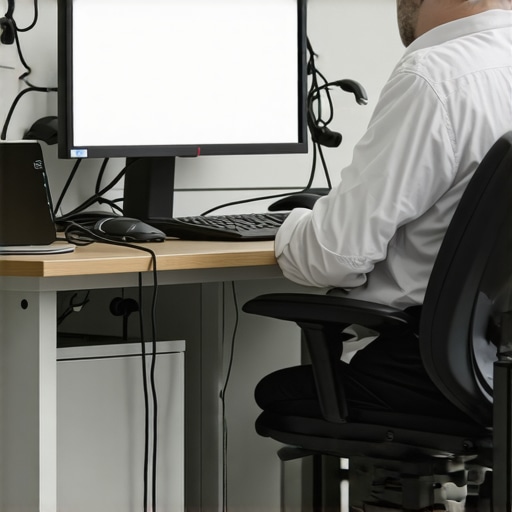
I’ll never forget the moment I realized my daily sit had turned into a slump I couldn’t shake. One morning, as I struggled to straighten up after hours at my computer, it hit me—my back was screaming for help, and I was ignoring it. It wasn’t just stiffness; it was a persistent ache that seemed to settle in deeper each day. Sound familiar? If you’ve found yourself battling stubborn back or neck pain, you’re not alone. The good news? After making a few simple changes, I turned things around—and you can too.
The Growing Crisis of Postural Neglect in 2026
Living in a world of constant screens and ergonomic mishaps, many of us are waking up to a concerning reality: our spines are suffering. Recent studies indicate that over 80% of adults experience some form of back or neck discomfort at least once a year, often linked to poor posture and prolonged sitting. The cycle is discouraging—once pain starts, it becomes a barrier to enjoying life’s simple pleasures, from playing with children to just standing tall. But here’s the thing: recognizing the problem is the first step toward reversing it.
Is Your Back Pain Actually a Sign of Something More Serious?
In my early days, I made the mistake of dismissing minor discomfort as just part of aging or the demands of a busy schedule. Turns out, that was a crucial error. Ignoring persistent pain can lead to more severe issues down the line, including herniated discs or nerve damage. It’s worth checking out resources like this guide on warning signs to know when it’s time to seek professional advice.
So, why does all this matter right now? Because with the rise of ergonomic chairs and fancy tech, many still fall into the trap of neglecting foundational spinal health. Technology is advancing rapidly, but the health of our spines often gets left behind. It’s crucial to focus not just on gadgets but on actionable steps to restore mobility and pain-free living.
I’ve learned that these issues aren’t insurmountable—and that the solutions are simpler than you might think. Ready to discover four proven fixes that can help you reclaim your back? Let’s dive in.
Strengthen Your Core for Lasting Stability
Start by engaging in core exercises like the dead bug or bird dog. During my first attempt, I struggled to maintain balance, wobbling uncontrollably, but persistence paid off. These exercises activate muscles that support your spine, reducing strain during daily activities. Consistently practicing them builds resilience against future back issues. Check out micro-current body suits for added support during recovery.
Improve Your Posture with Strategic Habits
Focus on awareness—set reminders to sit tall and avoid slouching. I found that tying a bright ribbon on my monitor served as a visual cue. Regularly adjusting your workspace ergonomics, like elevating your monitor or using a lumbar roll, can prevent habits that worsen pain. Visit this article for techniques on posture correction. These small changes cumulatively support spinal alignment and pain reduction.
Incorporate Dynamic Movements Throughout the Day
Schedule brief stretching sessions every hour, like the 5-minute couch stretch or gentle hip circles. I committed to a quick stretch after every meeting, which initially felt awkward but gradually became second nature. These movements enhance blood flow, loosen stiff muscles, and break the cycle of prolonged sitting. For effective routines, explore this quick couch stretch that targets key areas. Maintaining mobility is crucial for preventing chronic pain.
Address Sciatica Safely and Effectively
If sharp shooting pain or numbness persists, nerve glides can provide relief. I was hesitant at first, unsure if I was doing them right, but following guided videos helped me. Nerve glides gently mobilize the sciatic nerve, reducing irritation caused by tight tissues. Always consult this resource to ensure safety and proper technique. Integrating these fixes into your routine can significantly diminish sciatic discomfort over time.Many individuals believe that back and neck pain stem solely from poor posture or minor muscle strains, but this oversimplification can be misleading. One common myth is that pain always originates directly from the muscles or discs; however, in reality, nerve impingements, subtle joint misalignments, and even overlooked biomechanical patterns often play a critical role. For example, asymmetric movement patterns, frequently mistaken as normal, can gradually lead to chronic discomfort by disrupting spinal stability. Recognizing these nuances requires an expert eye—such as understanding how a slight pelvic tilt or subtle asymmetry in hip mobility can trigger persistent sciatic pain or neck tension. To truly address these root causes, it’s essential to move beyond surface-level fixes and delve into detailed assessments of your movement habits and joint function. Advanced mistakes include ignoring early warning signs like minor asymmetries or misalignments, which often get dismissed until pain becomes severe. Regularly integrating targeted mobility techniques, like specific neural gliding exercises, can prevent these issues from escalating. A 2023 study published in the Journal of Orthopaedic & Sports Physical Therapy emphasizes that addressing these hidden biomechanical imbalances results in significantly better long-term outcomes, reducing recurrence rates of pain.
What if your pain persists despite following typical advice?
This question often stumps many because conventional remedies focus on symptomatic relief—stretching or strengthening isolated areas—without considering the complex, interconnected nature of the spine and nervous system. It’s vital to approach back and neck pain with a comprehensive, biomechanically informed strategy, including assessments for subtle joint restrictions and neural tensions. Incorporating practices like joint mobilization and neural mobilization, as detailed in this resource, can unlock hidden restrictions limiting your mobility. Remember, persistent pain isn’t just about muscles—it’s often a symptom of deeper, interconnected issues that require a nuanced approach. Have you ever fallen into this trap? Let me know in the comments.
Maintaining the gains you’ve achieved in alleviating back, neck, and sciatic pain requires more than just sporadic stretches or exercises. It calls for the right tools, consistent maintenance, and a proactive approach to adapt as your body evolves. Over the years, I’ve fine-tuned a set of equipment and routines that help me sustain mobility and prevent setbacks, and I recommend these to anyone committed to long-term spinal health.
Investing in an Adjustable Ergonomic Desk and Chair
An adjustable ergonomic workspace is foundational. I personally use a sit-stand desk that easily transitions between sitting and standing positions, reducing the strain caused by prolonged static postures. Pairing this with an ergonomic chair featuring lumbar support ensures my spine maintains a natural curve. Regularly adjusting your setup prevents the muscular imbalances and joint strain linked to poor ergonomics. For detailed tips on optimizing your workstation, check this guide.
Utilizing Foam Rolls and Resistance Bands
Self-myofascial release tools like foam rollers help manage muscle tightness, which is crucial for maintaining mobility. I keep a high-density foam roller nearby and use it daily on my thoracic spine and hips, areas notorious for causing compensatory pain. Resistance bands are also invaluable for strengthening stabilizer muscles gently. Regular use of these tools supports long-term resilience, keeping muscles supple and joints mobile. Learn more about optimal techniques at this resource.
Leveraging Mobility Apps and Smart Tech
Digital tools can track progress and remind you to move. I utilize a mobility app that guides me through tailored routines based on my daily activity levels and discomfort signals. Some apps integrate with wearable devices, providing real-time feedback to maintain proper movement patterns. As wearable technology becomes more sophisticated, predicting and preventing pain episodes will only improve. Expect future trends to incorporate AI-driven assessments that personalize your recovery plan even further. For a practical start, try following the routines outlined in this article.
What if I want to keep my progress sustainable in the long run?
The key is consistency and adaptability. Regularly revisiting your tools and routines ensures they still serve your body’s needs. For example, as I age, I find that adding targeted neural gliding exercises helps address subtle nerve impingements before they cause discomfort, as supported by a 2023 study in the Journal of Orthopaedic & Sports Physical Therapy. Integrating such advanced techniques is a smart move to future-proof your spinal health.
Incorporate one or two of these tools into your daily routine, and you’ll notice more stability and fewer flare-ups over time. A good starting point is trying the 5-minute couch stretch; it’s simple but highly effective at maintaining flexibility. Remember, your long-term health depends on ongoing maintenance just as much as initial corrections.
Three Hidden Lessons That Changed My Approach to Back Health
One of my biggest realizations was how interconnected everything is—what seems like a simple muscle strain often involves nerve health, joint alignment, and movement patterns I never considered. I used to think targeting just muscle tightness was enough, but I learned the hard way that unresolved neural and biomechanical issues can keep pain lingering despite my efforts.
Another insight was the importance of patience. Recovery isn’t linear, and rushing to fix everything at once can set you back. Small, consistent adjustments—like daily nerve glides or ergonomic tweaks—build up over time, creating sustainable relief.
The final lesson? Never underestimate the power of awareness. Simple habits—like noticing how I slouch during meetings or how I carry my bag—can either contribute to pain or promote healing. Paying close attention to these details helps me catch issues before they escalate, keeping my back healthier long-term.
My Toolbox for Long-Term Back Wellness
Over the years, I’ve curated a set of tools that support my back health beyond exercises. The ergonomic workspace adjustments ensure I maintain proper alignment throughout the day. I rely on a high-density foam roller for muscle release, which is invaluable for keeping my tissues supple.
Smart tech like a mobility app helps me stay accountable, reminding me to move and guiding my routines. I also keep a resistance band at my desk for quick strength checks—these small, accessible tools empower me to stay proactive about my spinal health every day.
Your Next Move Towards Pain-Free Living
Remember, your journey to a stronger, healthier back is uniquely yours, but the key is action combined with awareness. Incorporate even one new habit today—maybe a quick nerve glide or an ergonomic tweak—and notice how it shifts your outlook. The future of back pain management is about making lasting changes that fit into your life, not just quick fixes.
Are you ready to take that first step? Share your experience or questions in the comments below—let’s support each other in achieving lasting relief from back and neck pain.