![4 Hip Flexor Fixes for 2026 Sciatica Relief [Case Study]](https://bodyrenewtherapy.com/wp-content/uploads/2026/04/4-Hip-Flexor-Fixes-for-2026-Sciatica-Relief-Case-Study.jpeg)
One morning, I woke up feeling that familiar numbness and sharp pain shooting down my leg—like an unwelcome guest overstaying its welcome. It was a moment of clarity: my daily habits, my posture, my lifestyle choices had quietly but relentlessly contributed to this persistent sciatica flare-up. I remember thinking, ‘Enough is enough.’ That was the lightbulb moment that propelled me into exploring effective ways to heal my hips and, in turn, relieve my sciatica.
Why Fixing Your Hip Flexors Matters More Than You Think
I’ve learned that tight or weak hip flexors aren’t just about uncomfortable stretches or fleeting relief—they’re often at the core of ongoing back and leg pain. In my early days of suffering, I made the mistake of ignoring my posture and skipping mobility exercises, believing a quick fix would suffice. It wasn’t until I prioritized strengthening and loosening my hip muscles that I started noticing genuine progress. Experts agree that neglecting hip health can foray into chronic issues, including sciatica. According to recent research, addressing hip mobility can reduce nerve compression and improve overall comfort.
Is Hip Flexor Fixes Just a Trend or Worth the Hype?
Trust me, I was skeptical too. But what truly made the difference was understanding that small, consistent changes could lead to big outcomes. Early on, I snubbed simple mobility drills, thinking they were insignificant. I regret it to this day because those tiny adjustments added up. If you’re wondering whether these fixes are a fad or backed by science, it’s worth noting that practical strategies like targeted hip exercises have proven to help those suffering from sciatic pain. You can read more about overcoming sciatic discomfort through simple lifestyle changes here.
Are you tired of waking up with that shooting pain or numbness? Trust me, you’re not alone. The good news is that with focused attention on your hip flexors, you can pave the way toward lasting relief. So, let’s explore exactly what I did and how you can do it too, step by step.
Incorporate Hip Mobilization Daily
The first step I took was integrating simple hip mobilization exercises into my morning routine. I vividly remember cluttering my bedroom, trying the hip circles I read about, feeling awkward and uncoordinated. Despite the mess, consistent repetition over a week loosened the tight muscles that pinched my sciatic nerve. Think of your hips as hinges that need lubrication; regular movement prevents them from seizing up and causing nerve compression.
Perform Hip Flexor Stretches Correctly
Next, I focused on stretching my hip flexors with a kneeling lunge. I made sure to keep my pelvis tucked under and avoid overarching my lower back—a common mistake that negates the stretch’s benefit. At first, I only managed 20 seconds per side, but gradually increased duration as my flexibility improved. These stretches release tension that often pulls the pelvis forward, putting pressure on the sciatic nerve pathway.
Strengthen Supporting Hip Muscles
Strengthening was equally crucial. I incorporated side-lying leg lifts and bridges into my workouts. During my first bridges, my hips wobbled, and I struggled to maintain a stable core. Over time, I learned to engage my abdominal muscles and lift with my glutes, not my lower back. These exercises help stabilize the pelvis, reducing undue strain on the nerve roots and alleviating pain.
Optimize Your Sitting Habits
One practical change involved adjusting my sitting posture. Instead of slouching, I used a lumbar roll and sat with my hips higher than my knees. I also took regular breaks—standing up every 30 minutes—and incorporated hip openers during breaks. This shift prevents hips from becoming stiff or shortened, easing the load on your sciatic nerve during prolonged sitting. For ergonomic tips tailored to your daily routine, check out this guide.
Use Nerve Gliding Techniques
Incorporating nerve gliding exercises turned out to be transformative. I gently slid my sciatic nerve through its range of motion—like unjamming a stubborn door hinge. Initially, I watched tutorials to ensure proper form and started with slow, controlled movements. These nerve glides help reduce adhesions around the nerve, allowing better mobility and less irritation. Remember, never force a movement or cause pain; gentle is better than aggressive.

After a few weeks of consistent practice, I noticed decreased numbness and sharper pain episodes. The key was routine and mindfulness—being attentive to how my hips and pelvis moved, especially during daily activities. By systematically loosening and strengthening my hips, I effectively reduced pressure on the sciatic nerve, making genuine relief attainable. If you’re looking for more detailed strategies, exploring expert guides on nerve mobility can provide additional relief methods.
When it comes to managing sciatica, neck pain, and mobility issues, many of us rely on common advice that’s been circulated for years. But beneath these well-meaning tips lie misconceptions that can hinder recovery. One frequent mistake is assuming that stretching alone will cure all nerve-related pain. While flexibility is important, overdoing stretches without addressing underlying strength and posture can exacerbate issues. For instance, some believe that aggressive stretching will quickly realign the pelvis or nerve pathways, but this approach often leads to strain or muscle imbalance. It’s crucial to combine mobility exercises with strengthening routines tailored to your unique needs, as I emphasize in my step-by-step guides on how poor posture impacts chronic pain. Another common myth is that pain is always a sign of an urgent injury requiring surgery or medication. However, many cases of nerve and back pain stem from muscular imbalances, polluting habits, or mechanical faults that can be corrected with targeted lifestyle adjustments. Recognizing this can save you from unnecessary procedures and help you focus on sustainable, natural recovery methods, detailed in resources like lifestyle changes for sciatica relief.
Beware of the trap of isolating symptoms instead of considering the entire kinetic chain. Your hips, pelvis, and core influence your spinal health more than you might think. Neglecting these links can make your back and neck problems worse over time. For example, a weak core can place undue stress on the lumbar spine, leading to chronic pain that only intensifies if ignored. Advanced mobility techniques and core-strengthening exercises, like those discussed in mobility mastery tips, are essential for long-term relief.
Now, a critical misconception I want to dispel involves the notion that pain always correlates with damage. The nervous system is complex; pain can persist long after an injury has healed, or appear without any tissue damage at all. This is why holistic approaches, including nerve gliding techniques and stress management, are often more effective. Experts like Dr. Lorimer Moseley highlight that understanding pain as a brain perception helps in developing effective strategies beyond just physical interventions. You can deepen your understanding and explore proven methods through comprehensive guides on nerve mobility here.
To navigate these misconceptions effectively, always assess your habits and consult with specialists capable of crafting a personalized plan. Avoid falling into the trap of generic advice; every individual’s anatomy and lifestyle are unique. Take the time to learn about how your daily choices influence your pain and mobility, and implement thoughtful adjustments accordingly. And don’t forget, patience and consistency are your allies on the healing journey.
Have you ever fallen into this trap? Let me know in the comments. With proper knowledge and targeted strategies, overcoming pain is within reach.
What Equipment and Techniques Keep Your Progress Steady?
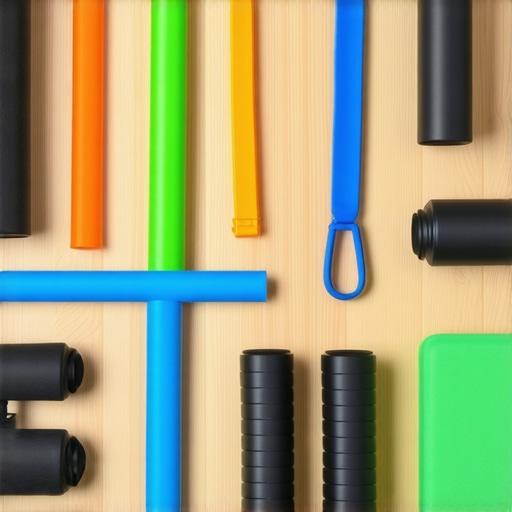
Maintaining the gains from your mobility and strength routines requires not just consistency, but also the right tools. Personally, I find that incorporating specific equipment enhances the effectiveness of my exercises and helps me track my progress over time. For instance, I swear by a high-quality foam roller, which I use daily to release muscle tension in my hips and back, preventing tightness that could trigger nerve issues. The simple foam rolling techniques help keep my tissues pliable and promote better circulation.
Another tool I rely on heavily is a set of resistance bands. They’re versatile, portable, and invaluable for strengthening stabilizer muscles around my hips and core. I use a resistance band for side-lying leg lifts — one of the best exercises for aligning hip stability and reducing sciatic nerve irritation. Adding resistance dynamically challenges my muscles in a way that passive stretches can’t, ensuring long-term stability.
When it comes to maintaining proper posture, I recommend ergonomic accessories like lumbar rolls and sit-stand desks. A lumbar roll, for example, restores natural spinal curvature during long hours of sitting, which you can learn more about in ergonomic tips for everyday comfort. As tech continues evolving, smart posture devices and apps are gaining popularity. These devices provide real-time feedback, encouraging mindful sitting and movement, which is crucial for long-term results.
Looking ahead, I believe the trend toward integrating technology with mobility routines will expand. Innovations like AI-powered posture monitors and guided movement apps will personalize training, making self-care more effective and accessible. These tools will serve as constant reminders to maintain proper form, especially during busy days or when traveling.
How Do I Maintain Mobility and Strength Over Time?
Consistency is key. Incorporating a variety of tools ensures your routines don’t become monotonous or lose effectiveness. For example, alternating foam rolling, resistance band workouts, and ergonomic adjustments keeps your muscles and joints engaged and resilient. Regularly revisiting your technique — possibly with professional guidance — ensures you don’t develop habits that counteract your progress. Scheduling weekly check-ins with a physiotherapist or mobility coach can be a game-changer in tracking long-term results and adjusting your program.
Remember, foundational research indicates that a combination of manual therapy tools and exercise routines yields the best outcomes. According to a study by the National Institute of Health, integrating self-mobilization devices with active movement significantly enhances nerve health and reduces pain episodes. So, don’t hesitate to try that nerve gliding technique I mentioned earlier, using a flexible resistance band for assisted movements — it’s been a staple in my toolkit for keeping nerve mobility optimal.
Investing in quality tools tailored to your needs pays dividends. Whether it’s a foam roller, resistance bands, or ergonomic accessories, they are not just gadgets but part of your commitment to sustained well-being. Keep experimenting with these strategies, and you’ll find that your mobility and pain levels stay manageable, even as life’s demands increase.
If you’re unsure where to start, I recommend reaching out through this contact page. A personalized plan that integrates the right tools can make all the difference in your journey toward lasting relief. Remember, the goal isn’t just temporary relief but creating a body that stays functional and pain-free for years to come. So pick a tool, set a routine, and commit to your body’s health today — your future self will thank you.
Across my journey with sciatica, I uncovered invaluable lessons that transformed my approach—and could do the same for you. One of the most profound realizations was that the battle isn’t solely about stretching or quick fixes but understanding the interconnectedness of hips, posture, and nervous system health. I finally grasped that consistent, mindful movement and addressing core imbalances laid the foundation for real recovery. Additionally, I learned that patience outweighs urgency; lasting relief comes from small, persistent efforts rather than seeking instant cures. Lastly, I discovered that self-education, coupled with expert guidance, empowered me to take control of my healing, dispelling myths and tailoring strategies that truly worked for my unique needs.